In this piece · 9 sections+
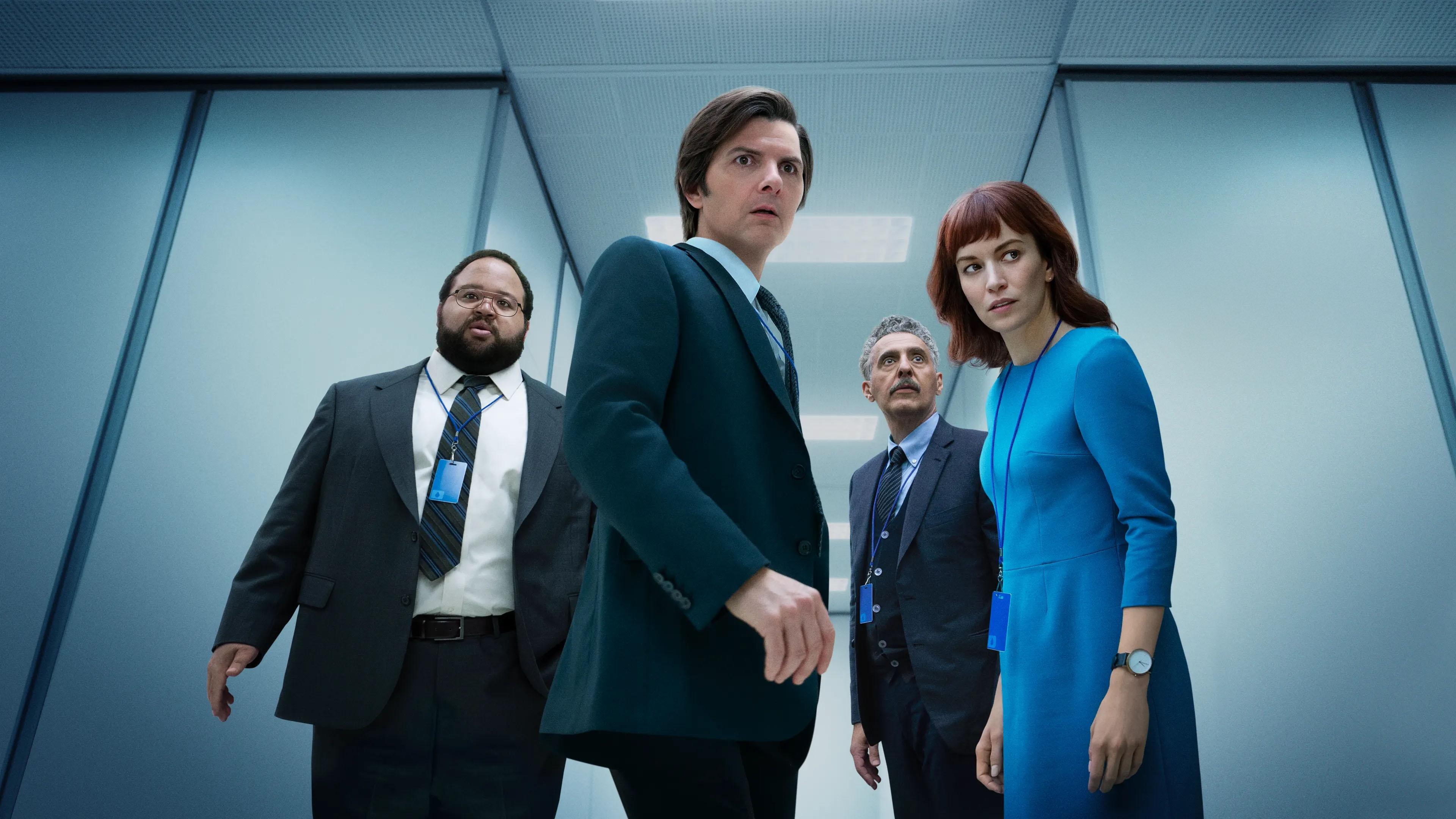
Yes. Severance is worth watching. It's one of the few prestige sci-fi shows on a major streamer that actually earns the prestige label.
It's a slow-burn corporate mystery about people who've surgically split their work memories from their personal lives, and the reason it works is that it treats a very stupid premise with total seriousness. The writing is tight, the performances are real, the visual design is obsessive in a way TV almost never is anymore, and when it hits (usually late in a season), it hits like nothing else on television. There are caveats. The pacing tests you. The mystery-box DNA is real. But if you have any patience at all, this is the rare modern show worth the hours.
The quick verdict
Yes, watch it. If you like slow, weird, visually precise shows where the mystery is the point and the payoffs are rationed, The Leftovers, Lost, Mr. Robot, The Americans, you're the target audience. If you need a plot that resolves in every episode, or you bounced off Lost because nothing was ever explained, tread carefully. It's a two-season commitment before you know if the long game is worth it, but most people who make it past episode four are in for the duration.
What Severance is actually about
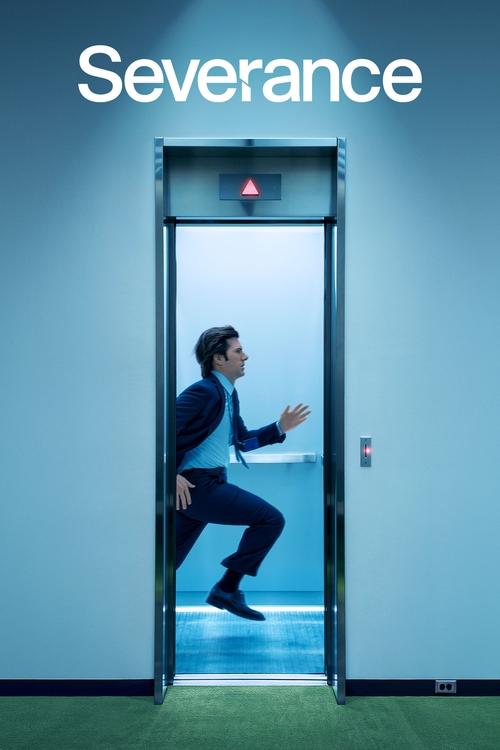
Mark works at Lumon Industries. Lumon has a procedure called severance, which surgically divides your brain so that the version of you at work has no memory of your life outside, and the version of you outside has no memory of work. You clock in, the elevator flips the switch, you wake up at your desk with no knowledge of anything but the office. You clock out, the elevator flips the switch back, and you walk into your car with no idea what you did for the last eight hours. Mark leads a team of four people doing a job none of them can describe or understand.
The tone is cold, funny, and quietly menacing. Think Kubrick directing an episode of The Office where everyone is slowly realizing they may be prisoners. The Lumon hallways are sterile and endless. The dialogue is stilted in a deliberate, rehearsed-corporate way. The show is a workplace comedy, a sci-fi mystery, a horror story about consent, and a pretty pointed piece of commentary on what it actually feels like to have a job in 2025. It does all of that without ever winking at you. That restraint is most of the magic.
The math on time
Three seasons. Nineteen episodes. Runtimes range from about 40 minutes to just under an hour, with finales pushing longer. Call it roughly 17 to 18 hours of television total. That's a long weekend if you're a sicko, or three to four weeks at a civilized two-episodes-a-night pace.
Is it worth that chunk? For the right viewer, yes, comfortably. Severance rewards attention in a way most streamers don't. Small details in episode two pay off in season two, visual choices mean something, and the production design is doing actual storytelling work. You are not going to half-watch this on your phone. If you try, you'll bounce and decide the show is boring, and it isn't boring. You just gave it the attention you'd give a cooking competition. This is a sit-down show. Budget accordingly.
What it gets right
The craft. Every frame of Severance is composed. Ben Stiller directs most of the key episodes and he's treating the material like a feature film, using long lens compositions, deliberate pacing, the kind of symmetrical visual grammar that makes Lumon feel genuinely wrong the moment you see it. The production design is a character. The green carpet, the beige cubicles, the weird retro-futurist computers that look like they were built in 1987 by a cult. None of it is an accident.
The performances are the other thing. Adam Scott is doing the best work of his career, playing two completely different versions of the same man (the broken widower outside the office and the blank, compliant employee inside), and you can tell which one you're watching within two seconds of him walking into a room. John Turturro and Christopher Walken are quietly devastating in a subplot that sneaks up on you. Tramell Tillman as middle manager Milchick is one of the great recent TV performances, full stop. His smile means six different things depending on the scene. Britt Lower's arc across the series is the emotional spine of the show.
And the writing respects you. Dan Erickson's scripts trust the audience to sit with ambiguity, to notice things, to wait. That's rare. Most shows on most streamers are written assuming you're doing your taxes with the TV on. Severance is written assuming you're watching.
What doesn't work
The first three episodes are slow. Not secretly-brilliant slow. Actually slow. The show is establishing a world and a tone and it takes its time doing it, and if you need a hook in the first fifteen minutes you will not get it. The pilot is intriguing but not gripping. Episode four is where the show becomes the show. A lot of people quit before then and I understand why, even though they're wrong.
Season finales end on cliffhangers, and Severance is on Apple's schedule, which means the gap between seasons one and two was nearly three years. That's a real cost. If you're binging now, fine, but the show has a habit of raising questions it's in no rush to answer, and if you are allergic to mystery-box storytelling the way some people got allergic to it after Lost, the frustration is real. Some threads from season one don't resolve until season two or later. Some still haven't.
Season two is more uneven than season one. There's a mid-season episode that takes a big detour and opinions are split on whether it works. I thought it mostly did, but you can feel the show stretching. And for all the craft, there are stretches where Severance mistakes slow for profound. Not often. But it happens.
Also: the show is cold. That's by design, but it means you're not cozying up to anyone. If you want warmth, watch something else.
Who should watch it
If you liked The Leftovers, yes, immediately: same patience, same payoff curve, same willingness to be strange. If you liked Mr. Robot or the first two seasons of Westworld, yes. If you liked Better Call Saul for its pacing and composition more than its plot, yes. If Lost broke your heart and you swore off mystery shows, approach with caution. Severance has more of a plan, but it's still a show that asks you to trust it.
If you want laughs, skip. There's dry humor, some of it excellent, but this isn't The Bear or What We Do in the Shadows. If you watch TV to decompress and want plot you can follow while making dinner, skip. You'll hate it, and that's a you thing, not a show thing. If you need every season to wrap cleanly with answers, wait until the series ends and binge it then.
If you have Apple TV already and you haven't watched this, there is genuinely no excuse. It's the reason the service exists.
Where to watch
Severance is an Apple TV original and it's only on Apple TV. No rental, no purchase elsewhere, no "it'll come to Netflix in a year." Apple holds these close. A subscription runs around $10 to $13 a month depending on when you're reading this, and Apple usually offers a seven-day free trial that is more than enough time to watch the first four episodes and decide if you're in. If you're on the fence, trial it, watch through episode four, and cancel if it's not for you. You'll know by then.
🏆 DROP EVERYTHING
FAQ
Is Severance overrated?
No, but it's reached the point in its life cycle where the backlash has started, which always happens with prestige shows. The first season was praised to the moon and back, some of that praise was breathless, and people have since pushed back. The show is genuinely excellent and also not the second coming of The Sopranos. Both can be true.
Does it get better after season one?
Season one is the strongest single run of the series so far: tight, controlled, builds to one of the best finales of the decade. Season two is ambitious and bigger in scope but more uneven, with some of the show's highest highs and a couple of slower stretches. Season three continues the main arcs. If you liked season one, you'll almost certainly want to keep going; if season one didn't grab you, season two won't change your mind.
Is it too slow?
It's slow, but it's slow on purpose and the slowness is the texture. The first three episodes are the slowest stretch. If you can make it to the end of episode four and you're still not interested, the show is not going to click for you and you should stop. That's a real answer. Don't force it.
Do I need to watch it with subtitles?
Not strictly, but the dialogue is quiet and precise, and a lot of important information comes through softly-delivered corporate euphemism. Subtitles help. Turn them on. You'll catch things you'd otherwise miss.
What to do tonight: Start the pilot. Give it through the end of episode four. If you're not hooked by the final scene of episode four, you tried. Bail clean. If you are, you've got seventeen more hours of one of the best shows currently on television ahead of you.
Related guides
- The Best Sci Fi Shows to Watch Right Now, Ranked by a Guy Who's Seen Too Much
- The Best Shows to Watch High, Ranked by a Guy Who Watches Too Much TV
- The Best Shows to Watch When Sick: A Couch-Bound Survival Guide
- The Best Rainy Day Shows to Watch When You're Sick, Sad, or Just Hiding From Your Life
- The Best Shows on Prime Video Right Now (April 2026): What to Actually Watch
Some links above are affiliate links (we're an Amazon Associate) — if you buy through them we may earn a commission. It never changes a verdict.