The Pitch
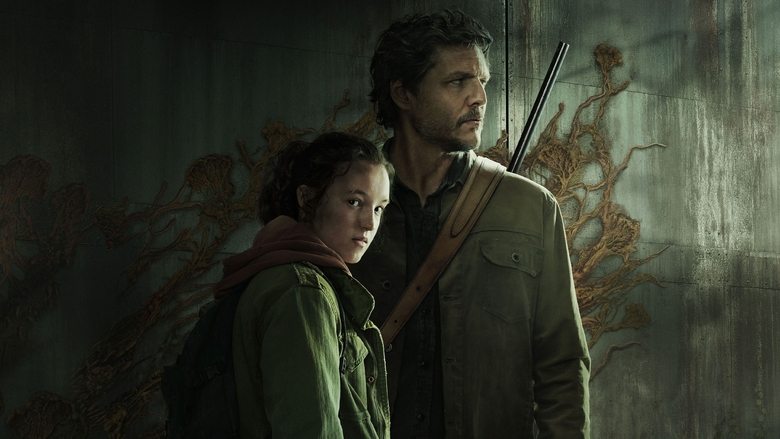
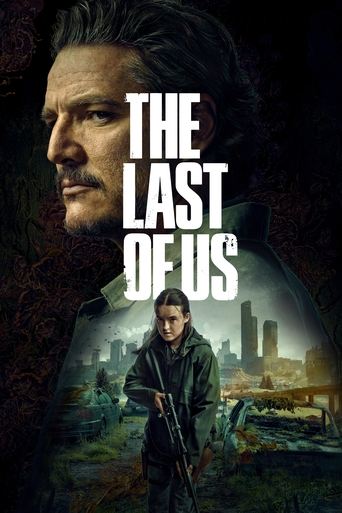
Post-outbreak America, twenty years after a fungal plague turned most of humanity into infected. Craig Mazin (Chernobyl) and Neil Druckmann (co-creator of the PlayStation game) adapt it for HBO. Pedro Pascal plays Joel, a smuggler grinding through the ruins of a Boston quarantine zone. Bella Ramsey plays Ellie, a fourteen-year-old he's contracted to move across the country for reasons the resistance won't explain up front. Season one is the road trip. Season two, which aired in 2025, picks up years later in a snowbound Wyoming settlement and widens the cast around them. That's the setup. Everything else is the show.
In Its Favor
Mazin writes prestige-cable dread the way other people write sitcoms, and he treats the source material like a novel worth adapting rather than a franchise to strip-mine. The season one detour episode built around Nick Offerman and Murray Bartlett is a self-contained short film that people who don't play games were sending each other. Pascal does his best big-sad-dad work here, all clenched jaw and buried grief. Ramsey is a genuinely strange screen presence, prickly and funny and specific, and the show trusts her to carry long silent stretches. The infected sequences are shot for tension, not spectacle. Craig Mazin knows the difference between a scary scene and a loud one.
The Argument Against
Season two arrived shorter than it needed to be, seven episodes for a story that clearly wanted ten, and you can feel the compression. Some new arcs get introduced and abandoned in the same hour. If you played the games, the beats land where you expect them to land, which for some viewers drains the suspense. The pacing between action set pieces can slump into "two people talking in a cabin" for stretches that push forty minutes. And the show occasionally mistakes bleakness for weight, holding on faces for a beat too long as if the score will do the rest of the writing.
Who'll Love It, Who'll Bail
If you liked The Leftovers, Station Eleven, or Chernobyl, this is your frequency. Character-first apocalypse, slow but not aimless, gorgeous location work, occasional bursts of real horror. If you came for zombie action in the 28 Days Later sense, you'll be checking your phone by the second commercial-break-that-isn't. Anyone who bounces off long two-handers about grief will bounce off this by the third episode. Anyone who resents adaptations that diverge from beloved games will find things to be mad about, and has been, loudly, online.
The Verdict
WORTH IT because the craft is real and mostly earns the running time. Mazin's scripts do the un-showy work of making you care about people before putting them in danger, the direction (Kantemir Balagov, Jasmila Žbanić, Peter Hoar in season one) treats each episode like its own film, and the two leads are actually good, not "good for a video game show" good. Where it stumbles, it stumbles on structure: season two's episode count, some pacing valleys, a tendency to linger. On the Lecture Test, it passes. The show has themes (revenge is bad for you, love is dangerous, the cordyceps has better long-term planning than the humans) but it dramatizes them through Joel's choices and Ellie's face rather than through monologues aimed at the camera. Nobody stops the plot to be agreed with. That's what separates a serious show from a sermon with a budget, and this one clears the bar.