The Premise
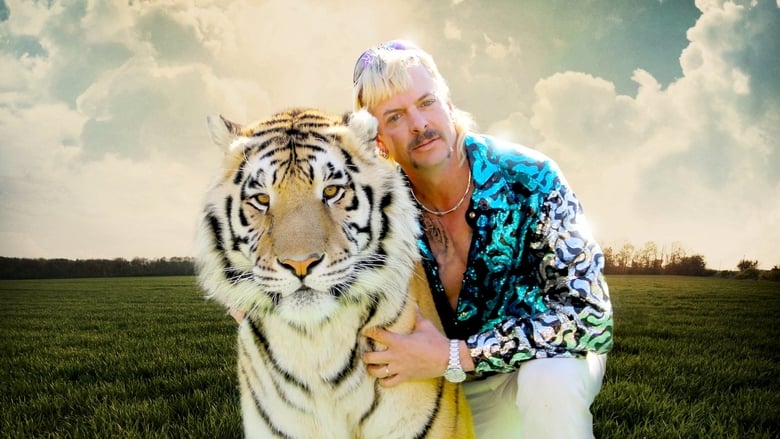
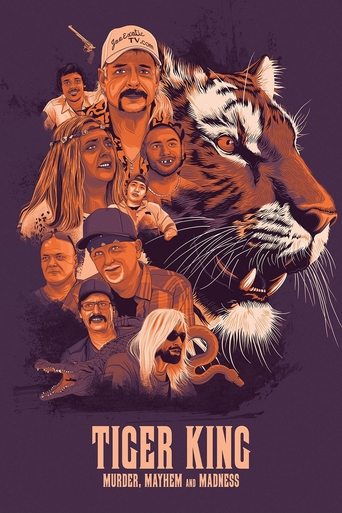
"Tiger King: Murder, Mayhem and Madness" is a seven-episode Netflix docuseries from 2020, directed by Eric Goode and Rebecca Chaiklin, who spent five years embedded with the American private big-cat underworld. The central figure is Joe Exotic, a mulleted, gun-toting, openly gay country singer running a roadside zoo in Wynnewood, Oklahoma. His nemesis is Carole Baskin, a Florida sanctuary owner in flower crowns who wants his operation shut down. Around them: polygamist compounds, a rival breeder named Doc Antle, a chorus of missing-limbed employees, and a stunning number of tiger cubs.
In Its Favor
Goode and Chaiklin got access nobody else was going to get. Joe Exotic on camera is not a character an actor could play. He runs for governor, he runs for president, he records terrible country songs about Carole, he livestreams threats, and the filmmakers are just standing there with the camera on. The first three episodes are paced like a screwball comedy that keeps discovering it's actually a crime story. The reveals about Doc Antle's compound land because the direction lets the subjects hang themselves without narrator hand-holding. Chaiklin and Goode also had the sense to build the thing around characters, not tigers. It's a portrait of a specific American subculture nobody knew existed on a Tuesday and everybody was screaming about by Friday.
The Argument Against
It sprawls. Seven episodes is at least two too many, and once the doc pivots from the zoo world into the criminal proceedings, the momentum collapses. The filmmakers keep introducing new figures in later episodes when they should be closing loops. Animal welfare groups have a real complaint here too: the show treats the cats as set dressing for the human circus, and if you came in caring about the animals, you'll leave angrier than you came in. Carole Baskin's segments got framed for maximum tabloid buzz, which was great for memes and bad for anything resembling journalism.
Who Should Watch
If you liked "The Jinx" or "Wild Wild Country" or any documentary where the camera catches people being their unfiltered worst selves, the first half is essential. If you need a doc to have a thesis, an ethical spine, or a clear-eyed take on the animals at the center of it, you'll be gritting your teeth by episode four. Anyone allergic to reality-TV editing rhythms, ominous synth stings under every reaction shot, will bounce fast.
The Verdict
BACKGROUND TV is the honest call. The first three episodes are a genuine cultural event, character work you couldn't script, access nobody else had. Then the show runs out of shape. Episodes four through seven are producers stretching a limited series into a franchise, cross-cutting between legal filings and old interview footage they've already used. There's no lecture problem here, just an editing one. The direction found something incredible and then didn't trust it enough to end. Which is exactly what background TV is for: you put it on, you get the good stuff, you drift off doing dishes when the pacing goes, and you've lost nothing. Bail after the murder-for-hire and tell your friends you watched the whole thing.
Sources: