The Premise
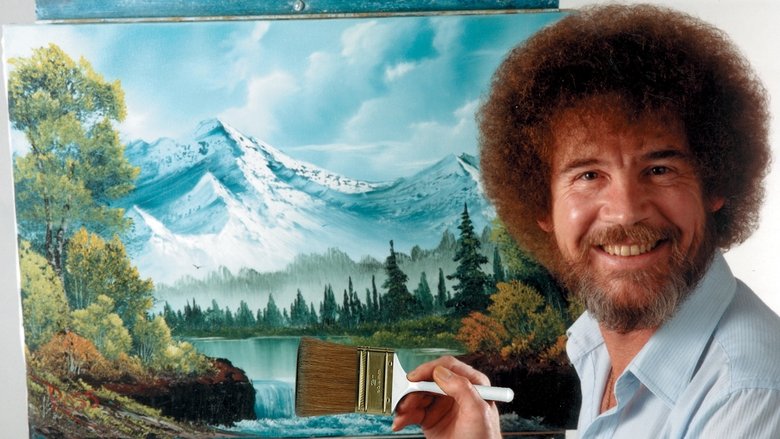
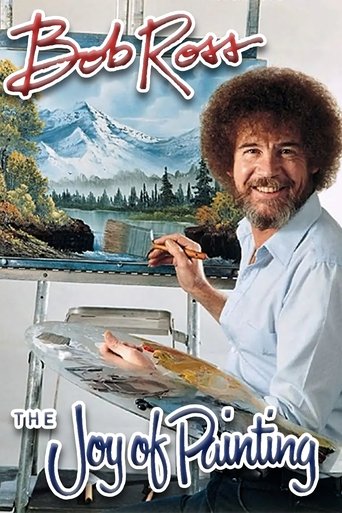
"The Joy of Painting" is a half-hour PBS instructional series that ran from 1983 to 1994, hosted by Bob Ross, a permed ex-Air Force master sergeant who quit the military because he didn't want to yell at people anymore. Each episode, Ross stands in front of a blank 18x24 canvas, mixes a few pigments on a palette, and — talking the whole time in a voice that sounds like a warm bath — builds a complete landscape painting in about 26 minutes. Happy little trees. A cabin. Maybe a squirrel he found in the parking lot. The first act of any episode is the same first act: title cards, a color list, Bob loading the fan brush.
The Case For
The craft is real. Ross was trained in the wet-on-wet oil technique popularized by his mentor Bill Alexander, and watching him execute it is genuinely impressive — he's building complex atmospheric perspective in real time with a two-inch brush and a palette knife. The show's production is austere in the best way: one man, one canvas, a black background, no music bed, no cutaways, no reaction shots. That austerity is why it works as ambient television now. Ross himself is the whole engine. His delivery is patient without being patronizing, corny without being fake, and the philosophical asides ("we don't make mistakes, just happy accidents") land because you can tell he means them. It's some of the calmest television ever committed to tape, and calm television is a limited resource.
The Case Against
It is, by design, thirty minutes of a man quietly painting a mountain. If you need plot, conflict, or a hook every eight seconds, this will feel like watching a screensaver with a soundtrack. Every episode follows the exact same structure, and Ross's palette rarely strays far from evergreens, snowy peaks, and cabins — after five in a row you've seen most of the moves. The video masters are '80s PBS, so the picture is soft even in the restored uploads. And the "instructional" framing is a bit of a bluff: you cannot actually learn to paint like this from watching, no matter what Bob says about you being able to do it too.
Who It's For, Who'll Bounce
If you've ever left a YouTube ASMR video on to fall asleep, or you unwind to "The Great British Bake Off" specifically because nobody's screaming, this is your show. Insomniacs, anxious people, parents who need something toddler-safe on in the background, art students, stoners. Anyone raised on prestige TV who needs a stakes-per-minute counter will tap out before the sky is finished. Same for anyone allergic to earnestness — Ross is sincere at a frequency modern television doesn't broadcast on anymore, and that either disarms you or it doesn't.
The Ruling
WORTH IT is the right call because the craft holds up and the execution is unusually pure. Ross does one thing per episode, does it well, and gets out. The pacing is deliberate but never sluggish; the direction (mostly locked-off single camera) trusts the subject; the performance is the whole show and the performance is impeccable. There's no messaging to lecture through here — the closest thing to a worldview is "be nicer to yourself," delivered while painting a tree. That's a theme carried by behavior, not a monologue. It's not prestige television and it isn't trying to be. It's a competent man doing competent work in front of a camera, and thirty years later that's still a rare thing to watch.