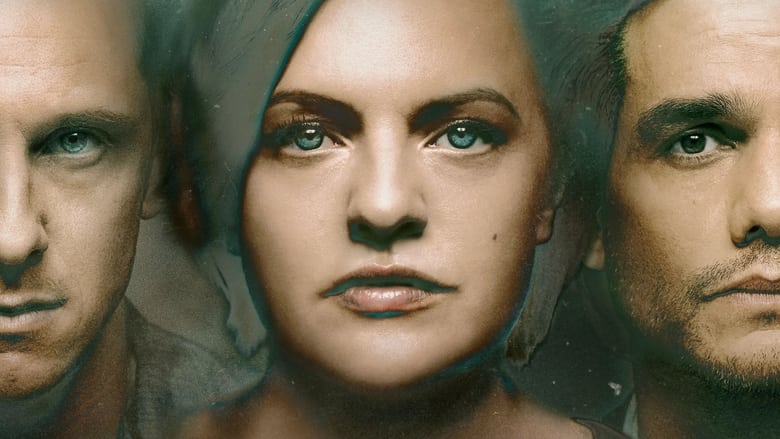
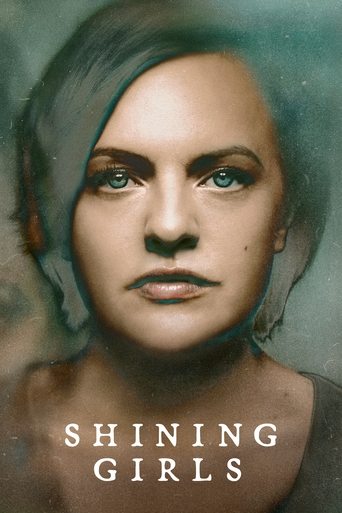
The Pitch
Adapted by Silka Luisa from Lauren Beukes's 2013 novel, this is an eight-episode Apple TV+ thriller with Elisabeth Moss as Kirby Mazrachi, a Chicago Sun-Times archivist who survived a brutal attack years earlier and now lives with a strange side effect: her reality keeps shifting. Her apartment, her job title, even the people around her rearrange without warning, and she keeps a notebook to track what's true today. When a new murder mirrors her own case, she teams with a burnt-out reporter (Wagner Moura) to chase the man who did it. Phillipa Soo and Jamie Bell round out the ensemble. Early episodes establish the metaphysical rules — quietly, without explanation — and let you feel them before they're named.
The Argument For
Moss is doing the thing she does better than almost anyone on television: playing a woman holding herself together with duct tape and paperwork, watching the walls for movement. Moura is the real gift here, a rumpled, alcoholic reporter who gives the show a beating heart whenever it threatens to disappear up its own concept. The direction, especially in the early Michelle MacLaren-shepherded stretch, treats Chicago like a haunted diorama — flat gray lake light, dead office fluorescents, the specific loneliness of a newsroom after 9pm. Luisa's scripts trust you to figure out the shifting-reality mechanics without a whiteboard scene, and that patience is rare.
What It Gets Wrong
There's maybe five hours of story stretched across eight, and you feel it. Middle episodes stall out in the "gather clues, brood, gather more clues" loop that Prestige TV can't seem to quit. The killer, despite a committed Jamie Bell, never quite becomes as interesting as the metaphysics around him — he's a device more than a character. And the ending doesn't so much land as evaporate, which is a problem when your whole show is a puzzle box. If you want mechanics explained, you'll be furious.
The Right Viewer
If you liked the quiet dread of "The Leftovers," the temporal itch of "Dark," or Moss's work in "Top of the Lake," this is your lane. It's a mood piece wearing a serial-killer costume. If you came for a procedural, or you need your genre TV to snap closed at the end of each hour like "Mare of Easttown," you'll tap out around episode three when nothing has really "happened" yet. Casual watchers who put it on while making dinner won't be lost — most of the important stuff is on Moss's face.
Final Word
Background TV is the right call because the show's reach genuinely exceeds its grip, and the gap is felt mostly in pacing. The ambition is real: trauma as a physics problem, reality as an unreliable narrator. The execution is a well-shot, well-acted, undercooked eight hours that Apple ordered as event television and then quietly stopped promoting. Nothing here is preachy — Luisa lets the themes live inside Kirby's behavior rather than announcing them, which is exactly what more of these things should do. It just doesn't have the propulsion to demand your full attention. Put it on, glance up when Moss goes quiet, get the folded laundry done. You won't feel cheated, and you won't feel gripped either.