What It Is
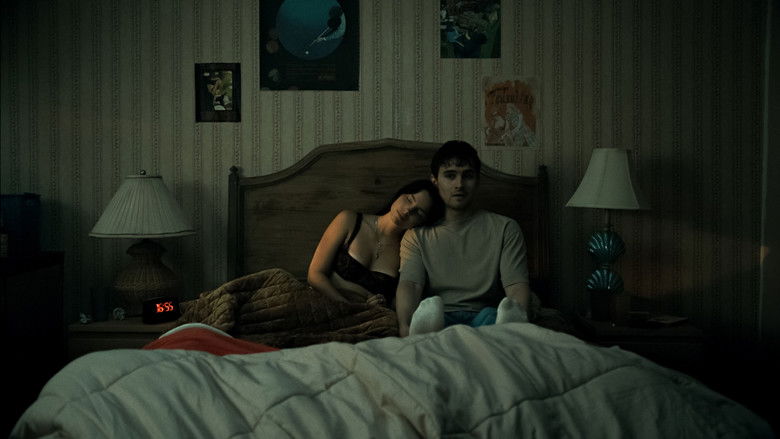
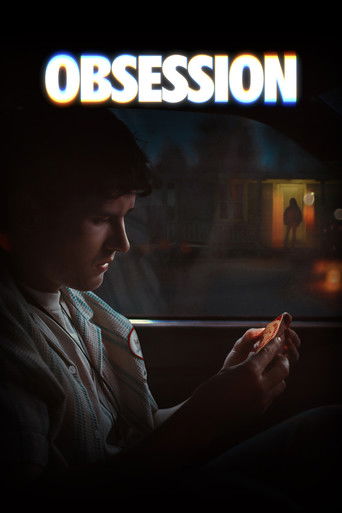
Bear (Michael Johnston) is a shy, sensitive music store clerk who can't work up the nerve to ask his coworker Nikki (Inde Navarrette) out. Instead of using his words, he buys a One Wish Willow, a kitsch antique toy from the '60s that promises to grant a wish when you snap one of its branches. He snaps a branch. You can guess how the rest of that goes. Curry Barker, a 26-year-old YouTube sketch guy, wrote, directed, and edited the whole thing himself for around $750K. Andy Richter shows up too.
The Case For
Barker actually understands tone. It's a cursed-object folktale played straight enough to hurt and loose enough to be funny, and he never confuses the two lanes. Inde Navarrette is the reason critics won't shut up about her; she plays Nikki as an actual person with her own gravity, not a plot device with a haircut. Michael Johnston sells Bear's wet-eyed longing without ever letting him become the joke. The blocking is confident, the coverage is real, the scares are patient. For $750K, the frame has more thought in it than most $80M studio horror.
The Argument Against
It's a slow burn dressed in a Blumhouse ad campaign, so anyone showing up for jump-per-minute mayhem is going to feel scammed. The budget peeks through in a handful of rooms that look like rooms. Andy Richter is fine but underused. And the tone dial gets nudged around enough that a viewer who wanted pure dread or pure black comedy will keep waiting for the movie to fully pick a side.
Who Should Watch
If you loved "It Follows," the original "Speak No Evil," or the meaner half of "Cabin in the Woods," you're in. If your horror bar is a masked killer on screen by minute ten, or you need every scene to end with something exploding, you'll be checking your phone by the second act. This is closer to a moral fable with teeth than a slasher.
The Bottom Line
WORTH IT because the craft outperforms the price tag by an embarrassing margin, and because Barker's sketch background actually shows up on screen as timing. He knows when to hold a shot and when to cut, which is a skill most working horror directors are still faking. The movie has something to say about entitlement and the way lonely guys turn other people into objects, and it says it by letting the machine grind, not by parking a character in front of the camera to explain the theme. Story doing the work, not a monologue. It's not a masterpiece. A couple of seams show, the ending will split a room, and the hype has gotten a little unhinged relative to what's actually on the screen. But a debut that clears $400M on pocket change without feeling cynical or lazy is the kind of thing you sit up for. Go.