
The Setup
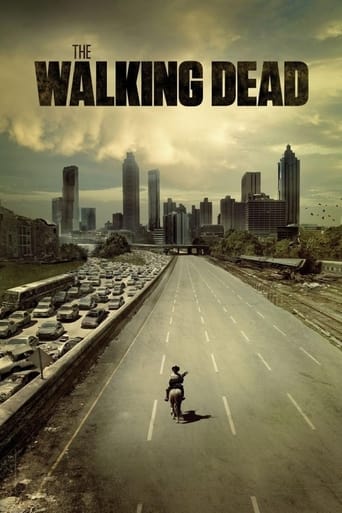
Frank Darabont's 2010 AMC adaptation of Robert Kirkman's comic opens with Rick Grimes, a Georgia sheriff's deputy played by Andrew Lincoln, waking up in an abandoned hospital after a coma. The world outside has gone. Corpses walk, cities are hollowed out, and small clumps of survivors are trying to figure out what "society" even means now. Rick sets out to find his wife and son, falls in with a ragged camp of survivors outside Atlanta, and the show settles into what it actually is for eleven seasons: an ensemble survival drama about ordinary people making increasingly ugly choices to stay breathing. Jon Bernthal, Norman Reedus, Melissa McBride, Steven Yeun, Danai Gurira, Lauren Cohan and a rotating bench of character actors fill out the group.
In Its Favor
When this show is on, it's genuinely great television. The pilot, directed by Darabont, is a small horror film in its own right — sun-bleached, quiet, aching. KNB EFX and Greg Nicotero built practical zombie work that still holds up better than most streaming CGI in 2026. The Atlanta arc, the winter-on-the-road stretch, and the Terminus and Alexandria introductions play like different genres inside the same show: siege thriller, western, gothic. McBride's Carol is one of the great slow-burn character arcs on cable, full stop. Yeun and Reedus become movie stars in real time. Bear McCreary's score does a lot of heavy lifting and never gets enough credit.
The Argument Against
The show is famously uneven, and the low stretches are genuinely bad. The second season lives on a farm and lets its plots stall for weeks at a time. The middle seasons cycle through a "find a place, meet the villain, monologue, siege, move on" pattern that gets predictable. Dialogue can slide into speech-making, especially once every antagonist wants to explain their philosophy at length. And it's long. Eleven seasons, 177 episodes long. Any honest recommendation has to admit you're signing up for a commitment where a real percentage of the runtime is filler.
Who It's For, Who'll Bounce
If you liked Lost for the ensemble and Breaking Bad for the moral rot, you'll click with this. Fans of practical-effects horror, prestige westerns, or slow character shows like Justified will find plenty to chew on. You'll bounce if you need tight serialized plotting week to week, if gore is a dealbreaker, or if your patience for "camp argues about ethics around a fire" runs out fast. Anyone expecting the zombie action of Train to Busan every week will quit by episode four of season two.
The Verdict
WORTH IT, with a warning label. The peaks — season one, most of three, the front half of four, the Alexandria run in five — are the real deal: patient, character-first horror drama with a bench of actors doing serious work. Darabont's fingerprints on the tone survive long after he's gone, and Nicotero's direction and effects keep the craft honest even when scripts sag. The show earns its themes about what people become under pressure by dramatizing them through McBride, Lincoln, and Yeun rather than announcing them. When it stumbles, it's because the writers' room got repetitive and monologue-happy, not because it's grinding an axe. That's a craft problem, not a sermon problem, and it's the reason this lands at WORTH IT instead of a tier up. Skip the farm, push through season seven, and the highs justify the trip.
Sources: