The Setup
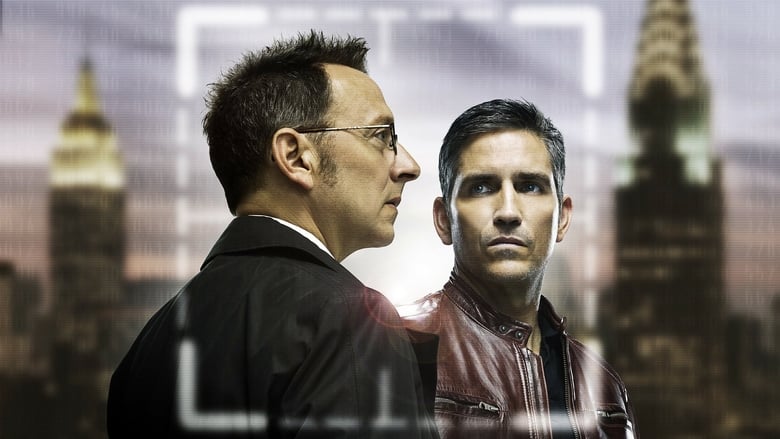
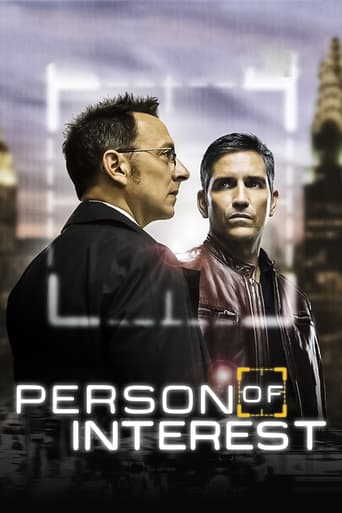
Person of Interest is a five-season CBS drama from Jonathan Nolan (with J.J. Abrams producing) that ran 2011–2016. Harold Finch (Michael Emerson) built a mass-surveillance AI for the government after 9/11. It watches everything. It flags threats to national security, and then it also spits out the social security numbers of ordinary people about to be involved in a violent crime, victim or perpetrator unknown. The government throws those "irrelevant" numbers away. Finch doesn't. He recruits John Reese (Jim Caviezel), a presumed-dead ex-CIA operative in a very nice suit, to intervene. Taraji P. Henson plays the NYPD detective who keeps almost catching them. Kevin Chapman and Amy Acker fill out the early bench. The pilot sets up the number-of-the-week format. It does not stay that show for long.
What It Gets Right
Emerson and Caviezel are the reason to press play. Emerson underplays everything into a small, precise, wounded performance; Caviezel barely speaks and communicates a whole biography with his jaw. The two of them together are the best odd-couple pairing procedural TV produced that decade. Nolan and co-showrunner Greg Plageman use the crime-of-the-week wrapper as a Trojan horse, sneaking a serialized science fiction epic about machine intelligence into a CBS Tuesday-night slot the network thought it was buying a cop show for. The action direction is genuinely good, especially the close-quarters gun work, which was choreographed by David Carzell's team to feel weighty instead of balletic. And the show got Amy Acker, then handed her one of the strangest character arcs on network television.
What It Gets Wrong
The first ten or so episodes are pretty standard CBS procedural furniture, and viewers who bounce off airport-bookstore crime shows will bounce off these. The mythology takes a while to gear up. Some of the technology-explaining monologues are clunky; Nolan clearly wants you to understand the stakes and doesn't always trust the images to carry it. The 2011 flip phones and CRT monitors read as period pieces now. And a 103-episode network run means filler. There are episodes about corrupt councilmen you will not remember by Wednesday.
The Right Viewer
If you liked Fringe, Westworld, or the Nolan brothers' movie-brain approach to genre, you're in. If you enjoy a slow-cooked mythology that trusts you to piece it together, you're in. If you need every episode to advance the arc, you'll get restless in season one and quit before the show becomes what it actually is. If procedural TV bores you on principle, give it until episode nine or so before you make a call.
Final Word
WORTH IT is the right sentence because the show earns its themes by dramatizing them instead of announcing them. A lesser version of this premise lectures the audience about privacy for forty-two minutes a week. Nolan's version puts two damaged men in a room with a god they built and lets the moral weight leak out through the plot. When the ideas land, they land because a character had to do something ugly, not because someone monologued about the Fourth Amendment. It's not perfect. The procedural bones show. But the ambition is real, the execution mostly matches it, and the 2011 warnings about pervasive surveillance and unaccountable AI now read like documentary footage. That's craft, not prophecy. WORTH IT, comfortably.