The Pitch
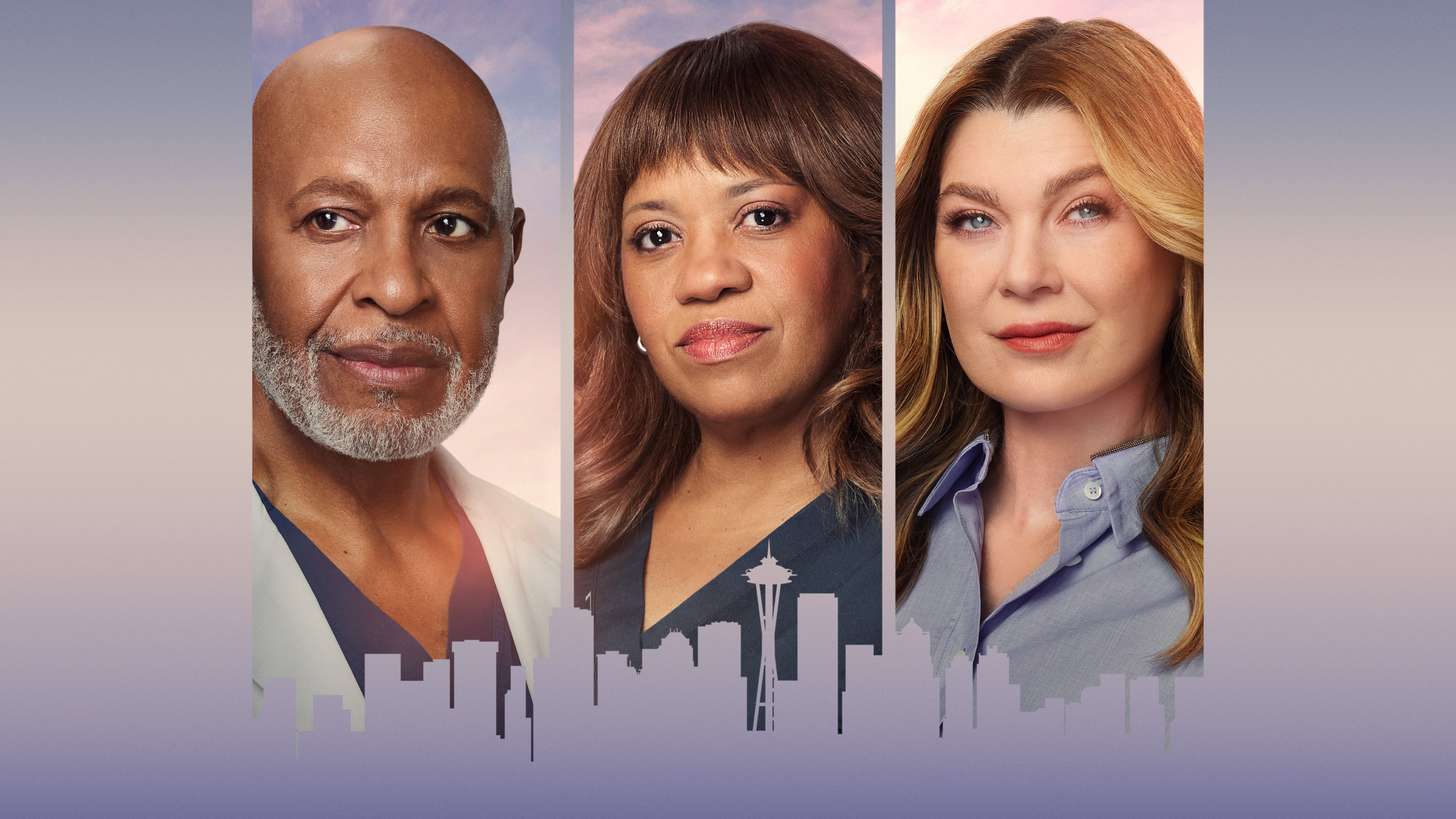
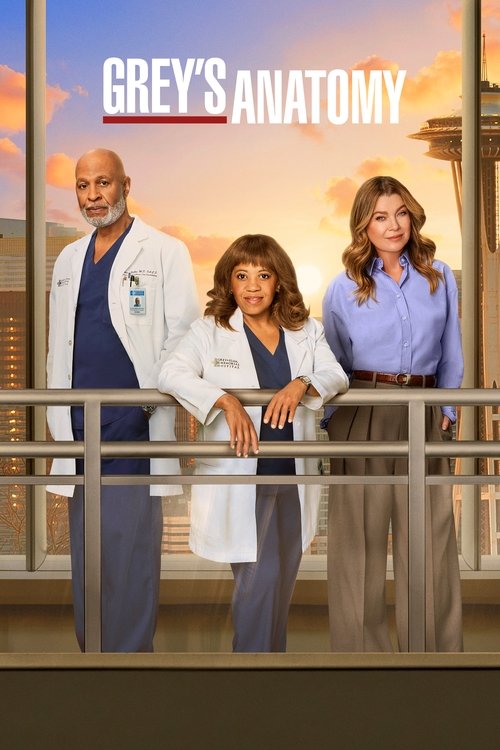
Grey's Anatomy premiered on ABC in 2005, created by Shonda Rhimes, and follows the surgical residents and attendings at Seattle's Grey Sloan Memorial (formerly Seattle Grace). The pilot introduces Meredith Grey (Ellen Pompeo), her intern class, and the attendings who terrorize them, most memorably Chandra Wilson as Bailey and Sandra Oh as Cristina Yang. Early episodes establish the format: rare medical case of the week, doctors sleeping with doctors, voiceover monologue bookending each hour. As of 2026 it's been renewed for a 23rd season on ABC, streams on Netflix in its entirety, and Pompeo, Wilson, James Pickens Jr., Camilla Luddington and Caterina Scorsone are still on the call sheet.
What Works
The first three seasons are actually great television, and it's worth remembering that. Rhimes built one of the tightest ensemble pilots of the 2000s, and Sandra Oh's Cristina is one of the best written characters in network drama, full stop. Wilson's Bailey has been quietly carrying the show for two decades. The medical-case-of-the-week structure is a machine that runs whether you're paying attention or not, which is exactly what background TV needs. The needle drops still hit. And the emotional grammar Rhimes invented, where the score swells and someone says something devastating in a hospital hallway, was so effective the entire network drama landscape spent the next fifteen years imitating it.
The Case Against
Around 450 episodes in, the writers' room is clearly running on memory. Storylines loop. Characters have the same fight they had six seasons ago. Newer interns get introduced, given a trauma, given a love interest, and cycled out before you learn their names. The medical mysteries got replaced with disaster-of-the-season plotting somewhere in the 2010s, and the show now leans on shock over craft. Original cast is mostly gone; Pompeo shows up in a reduced capacity, which the marketing keeps quiet about. Dialogue in the later years does a lot of thematic homework aloud, characters explaining what a scene means instead of playing it.
Who This Is Actually For
This is folding-laundry television for people who grew up on it. If you loved ER or want a lower-stakes House, the early seasons deliver. If you've never watched and you're starting now because it's on Netflix, put it on while you cook and don't try to keep the org chart straight. Prestige-drama viewers who want The Pitt or St. Elsewhere-level rigor will bounce by episode two of any post-season-10 stretch. Anyone allergic to voiceover should not even try.
The Sentence
BACKGROUND TV isn't an insult here, it's an accurate job description. The show stopped optimizing for attention roughly a decade ago and started optimizing for presence, the kind of thing you have on while doing something else. Early Grey's earned its themes through character work; late Grey's tends to state them, with monologues that read as position papers and interns who exist to voice a viewpoint rather than a personality. That's the lecture problem in craft terms: a scene that used to trust Sandra Oh's face now trusts a speech. Pair that with recycled plotting and a rotating bench of underwritten new hires and you get a show that's easy to have on and hard to actually watch. 460+ episodes deep, that's not a failure. That's a utility.
Sources: