The Setup
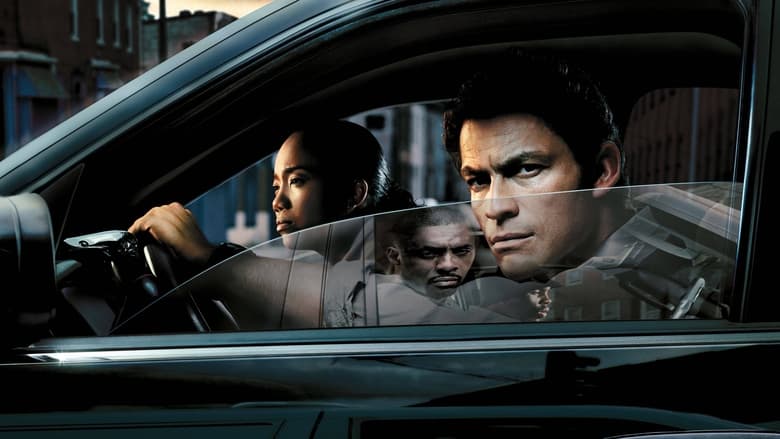
David Simon's Baltimore crime drama, five seasons on HBO from 2002 to 2008, built by a former police reporter and a former homicide detective (Ed Burns) who'd actually done the jobs the show puts on screen. Season one opens with a homicide detective, Jimmy McNulty (Dominic West), running his mouth to a judge after a Barksdale crew witness folds on the stand. That embarrassment forces the department to stand up a detail under Lt. Cedric Daniels (Lance Reddick) to build a real case on Avon Barksdale's West Baltimore drug operation. Wiretaps, pager clones, surveillance photos taped to a corkboard. The ensemble is deep from the jump: Idris Elba, Michael K. Williams, Wendell Pierce, Sonja Sohn, Andre Royo, Wood Harris, Clarke Peters. Each season broadens the frame — new institution, same city.
The Case For
The writing room. Simon and Burns brought in novelists — George Pelecanos, Richard Price, Dennis Lehane — and it shows in scenes that trust silence, in dialogue that sounds recorded rather than written. Reddick's stillness. Michael K. Williams turning Omar into an entire genre by himself. Andre Royo playing Bubbles with a tenderness the material could've easily flattened. The show refuses cop-show shorthand. Nobody solves anything in an hour. Bosses stall investigations because the case will make the wrong people look bad, and that's the whole engine. The direction is patient in a way network TV wasn't allowed to be, and it makes payoffs land episodes later without a flashback to remind you.
Where It Falls Down
It's slow. Episode one drops you into the deep end of Baltimore police jargon, corner slang, and courthouse politics with zero handholding, and a lot of people quit before the show earns the trust it's asking for. There's no case-of-the-week reset button, so if you skip you're lost. West's McNulty accent wobbles. Some of the newsroom material in the final season plays like Simon settling personal scores. And if you want propulsive plotting, forget it — this thing moves like a legal filing.
Who It's For, Who'll Bounce
If you loved the institutional grind of Zodiac, the slow build of Better Call Saul, or anything Michael Mann touched, you're already in. If your last favorite crime show was Law & Order: SVU or NCIS, the first three episodes will feel like homework. It rewards viewers who take notes on names and don't mind sitting with characters they don't fully understand yet. It punishes second-screening. Watch it with your phone in another room or don't bother.
The Sentence
WORTH IT because the craft is doing the arguing. Simon has strong opinions about the drug war, city hall, unions, schools, newspapers — every season is basically a thesis — but the show almost never stops to state them. It dramatizes them. A kid gets moved from a corner to a classroom and you learn more about policy failure than any monologue could deliver. The Lecture Test: passes cleanly. Themes arrive through Bubbles trying to stay clean, through Daniels choosing between his career and a real case, through a wiretap that produces one usable name after six weeks. That's not preaching. That's writing. It's not the most fun show on TV, and it never was. It's the one that changed what prestige drama was allowed to be, and it holds up now because the bones are that good.
Sources: