The Setup
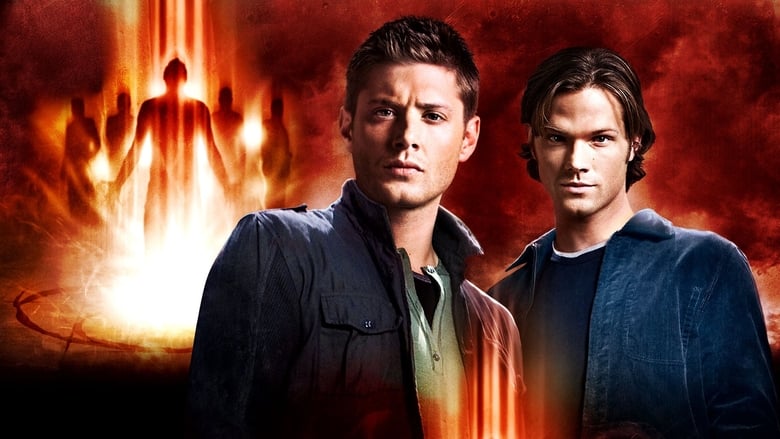
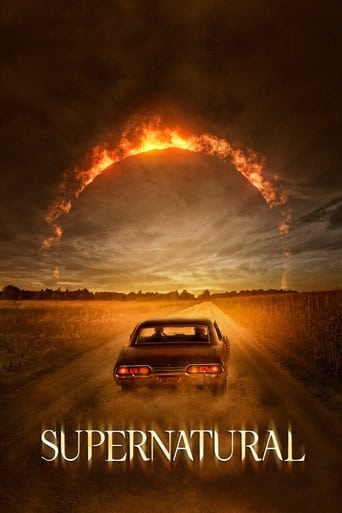
Supernatural is a CW procedural that ran fifteen seasons, from 2005 to 2020, created by Eric Kripke. Sam and Dean Winchester (Jared Padalecki and Jensen Ackles) are brothers who grew up on the road with their dad, a hunter of things that go bump. Pilot setup: Dean shows up at Stanford, where Sam has been trying to have a normal life, and drags him back into the family business after their father goes missing. What follows is a monster-of-the-week road show — small towns, cheap motels, a 1967 Chevy Impala, classic rock, salt lines, fake FBI badges. Kripke stays through season five, which is where the show's original mythology arc lives. Then it keeps going. And going.
What It Gets Right
Ackles and Padalecki are the whole thing. Their chemistry as brothers is the actual craft achievement here — the bickering, the shorthand, the way Dean deflects with a Zeppelin reference every time Sam tries to have a feeling. Kripke's first five seasons are a genuinely tight piece of horror-inflected Americana, drawing from urban legend, roadside folklore, and dad-rock in equal measure. Directors Kim Manners and Robert Singer knew how to shoot a dark barn and a flickering bulb without making it look like a CW show. Episodes like "Mystery Spot," "The French Mistake," and the Bob Singer meta-outings prove the writers' room could turn on a dime from grim to genuinely funny. And it's warm. Underneath the demons and the blood, it's a show about two people who love each other and can't say it, which is why the fanbase has never really left.
The Case Against
Fifteen seasons is a lot of seasons. The mythology gets tangled, then untangled, then re-tangled by a different showrunner, and the stakes escalate past the point where escalation means anything. Female characters get a rough deal across the run — the writers keep introducing interesting ones and then not knowing what to do with them. The monster-of-the-week formula, which is the show's strength, is also a limitation: after a while you can predict the beat sheet from the cold open. And the budget shows. It's a CW production, so if you need premium prestige gloss, this isn't that.
The Right Viewer
Sticks: anyone who loved The X-Files, Buffy, or Fringe, plus anyone who wants a show they can put on while folding laundry and still follow. Bounces: viewers who need serialized plotting where every episode advances the arc, or who can't get past mid-2000s CW production values. If the pilot's earnest tone reads as cheesy to you in episode one, it will still read as cheesy in episode fifty.
The Verdict
BACKGROUND TV isn't a knock. It's what the show is engineered to be. Kripke built a procedural chassis you can drop into at almost any point, follow a case, and move on. That's a real craft — writing self-contained forty-two-minute stories with returning characters is harder than serialized prestige, and Supernatural did it hundreds of times. But the ambition ceiling is low by design. The direction is workmanlike, the effects are TV-budget, the mythology gets sanded down and rebuilt by committee after Kripke leaves, and the emotional beats start rhyming with themselves by season seven. Nothing about it demands you sit up and pay attention. It rewards half-attention, which is the exact tier definition. Put it on. Fold the laundry. Dean will make a joke about pie.
Sources: