The Setup
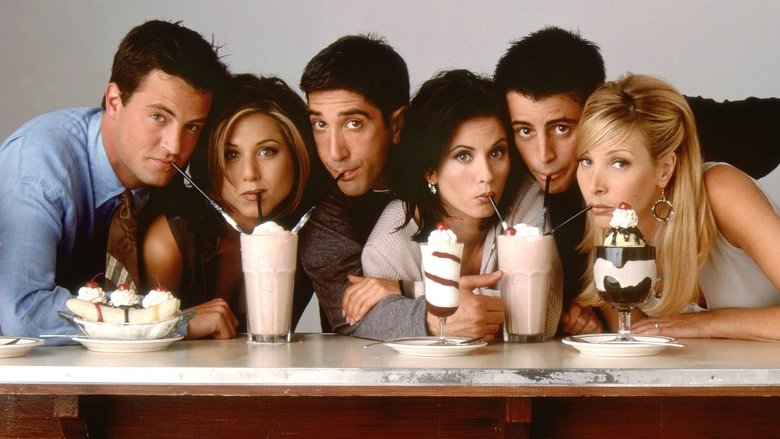
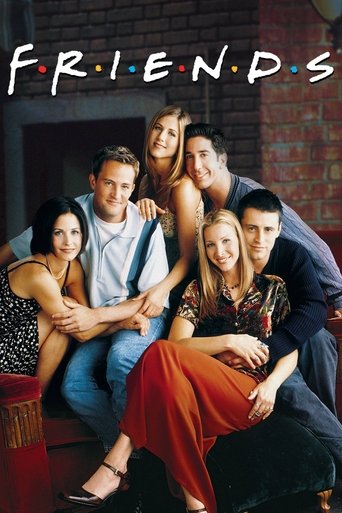
"Friends" ran on NBC from 1994 to 2004, ten seasons, 236 episodes, created by David Crane and Marta Kauffman and executive-produced with director Kevin Bright. Six twentysomethings in Manhattan orbit two apartments and a coffee shop called Central Perk. Ross (David Schwimmer) is a paleontologist getting divorced. Rachel (Jennifer Aniston) walks in wearing a wedding dress in the pilot after ditching her fiancé. Monica (Courteney Cox) is Ross's sister and the group's chef-slash-mom. Chandler (Matthew Perry) does something in an office nobody can name. Joey (Matt LeBlanc) is a struggling actor. Phoebe (Lisa Kudrow) plays guitar and lives on a different plane of reality. That's the setup. Everything after is variations.
What It Gets Right
Perry. It's Matthew Perry's line readings, mostly. Nobody else on network TV in the nineties was landing sarcasm on that specific offbeat, and half the jokes that still work only work because of where he puts the emphasis. Kudrow's Phoebe is the other one — she's playing a character three shows over from everyone else and somehow it fits. The multi-cam craft is genuinely tight: Bright/Kauffman/Crane ran a room that could turn a B-plot about a chick and a duck into something you remember thirty years later. Marta Kauffman's team wrote to the actors' rhythms once they figured out who could do what, and you can watch the show get better in real time across seasons two and three. Also: the theme song. Come on.
What Doesn't Work
It has not aged into a prestige artifact. The pacing is slow by 2026 standards — setups you can see coming from the top of the scene, a laugh track that treats every joke like it's a home run. The romantic plotting leans on will-they-won't-they mechanics that later shows did tighter. And the show's blind spots about who lives in New York and what jobs cost what are, at this point, part of the punchline more than the punchlines are. A rewatch turns up gags that don't land now, and the answer to "why doesn't this land" is usually "because it was 1996."
Who This Is Actually For
If "Seinfeld" is a puzzle box and "The Office" is a mockumentary, "Friends" is a hangout. You put it on because you want to be around these people while you fold laundry. Sticks with you if you loved it the first time, or if you've never seen it and want a low-stakes way to fall asleep. Bounces hard if you need every show to be doing something — if you're the viewer who ranks television by ambition, this will read as coasting.
The Verdict
BACKGROUND TV is the honest tier. This isn't a knock — it's the show's actual best use in 2026. The jokes are broad enough that you can miss half and still track the story, the plots reset every episode, and the emotional beats hit even at 40% attention. You don't lean forward for "Friends," you lean back. The craft that holds up is character voice and comic timing; the craft that doesn't is the pacing and the setup-punchline architecture of a nineties multi-cam. Nothing here is being lectured at you. Kauffman and Crane were writing joke-first, character-second, message-never, and that's why it plays in the background thirty years on. Put it on. Do the dishes. It'll be fine.