The Pitch
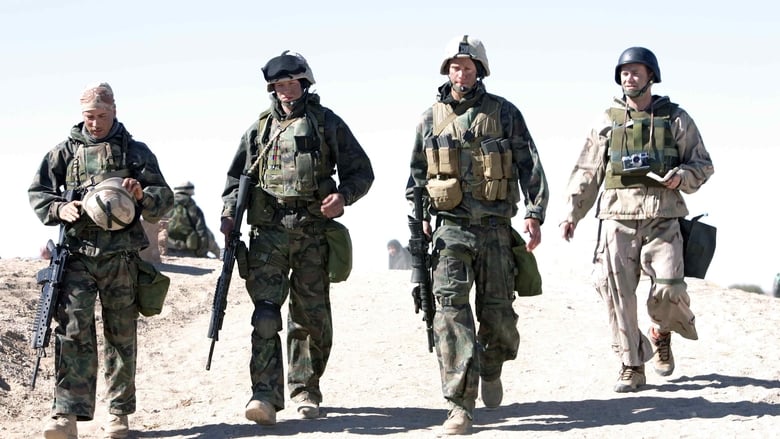
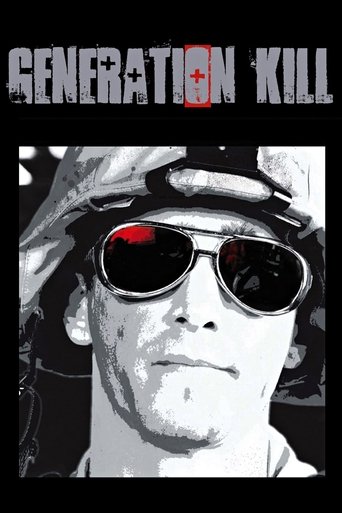
A seven-part HBO miniseries from 2008, adapted by David Simon and Ed Burns (The Wire) with Evan Wright, based on Wright's Rolling Stone reporting embedded with the Marines' 1st Reconnaissance Battalion during the 2003 invasion of Iraq. The early hours drop you in Kuwait with a Humvee full of trigger-pullers waiting for the go order, then push north across the border once it comes. Alexander Skarsgård plays Sgt. Brad "Iceman" Colbert, James Ransone is his manic driver Cpl. Ray Person, Lee Tergesen is the pen-and-notebook reporter riding shotgun, and Chance Kelly looms over the whole thing as their Bronte-quoting battalion commander.
The Argument For
It's a David Simon joint, which means the pleasure is procedural. You're watching how a recon platoon actually operates: the radio chatter, the botched orders from a captain nobody trusts, the way logistics failures cascade into dead civilians. Simon and Burns don't dramatize the war so much as transcribe it. Skarsgård is a revelation as Colbert, a coiled professional who barely raises his voice and still owns every scene. Ransone's Ray Person is one of the great TV motormouths, a Ripped Fuel-fueled hillbilly monologuist whose rants about pop music and NAMBLA are the show's secret comedic engine. The production spent $56 million on Humvees and dust and it shows; directors Susanna White and Simon Cellan Jones stage firefights that feel confused on purpose, because that's how they were. Half the supporting cast are real Recon Marines from the actual unit, including Rudy Reyes playing himself.
The Case Against
The first two hours are a wall of jargon, callsigns, and interchangeable buzzcuts, and the show refuses to hand-hold you through any of it. There's no protagonist arc in the traditional sense, no romantic B-plot, nothing back home. If you need catharsis or a hero shot, this isn't offering one. The pacing mirrors an actual deployment: long stretches of boredom, sudden violence, then more boredom. Some viewers will find that honest. Others will find it a slog.
Who Should Watch
If you loved The Wire's willingness to let institutions be the real character, you're home. Fans of Black Hawk Down, Jarhead, or the ground-level chapters of Band of Brothers will click in fast. Anyone who wants a war show with a clean moral through-line, a swelling score, or a clear villain will be checking their phone by hour three. It rewards patience and rewatches. It punishes half-attention.
Final Word
WORTH IT lands because the craft is doing the heavy lifting without ever putting its thumb on the scale. This is a story about the invasion of Iraq made five years after the invasion, and it would have been the easiest thing in the world to turn it into a sermon in either direction. Simon and Burns don't. They let the Marines be funny, competent, profane, occasionally cruel, occasionally heroic, and mostly just tired. The critique of leadership, doctrine, and the whole enterprise is embedded in the reporting, not narrated over it. Nobody stops mid-firefight to explain the theme. The writing trusts you to notice that the captain is an idiot because his orders keep getting people almost killed, not because a wiser character tells you so. That's the difference between drama and lecture, and Generation Kill stays on the right side of it for all seven hours. Not the tier above. This one.