What It Is
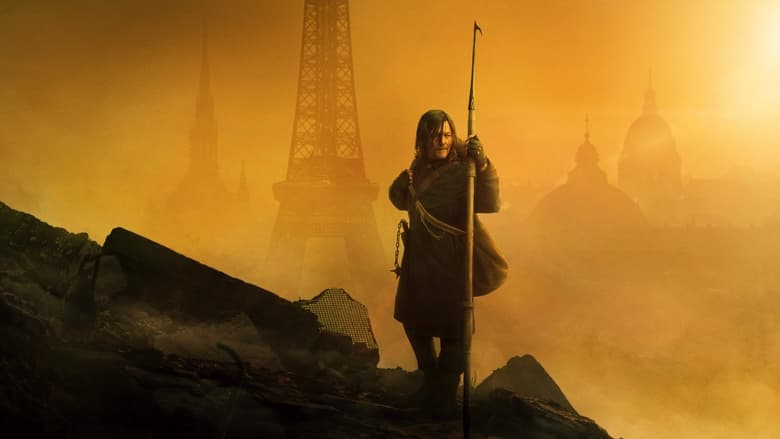
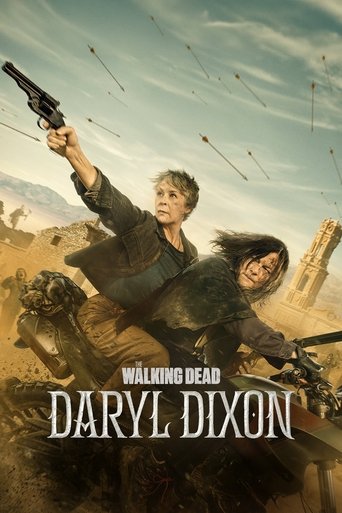
Daryl Dixon wakes up on a beach in France with no memory of how he got there, no crossbow, and no English speakers. He's picked up by nuns at a fortified abbey, one of whom (Clémence Poésy's Isabelle) is guarding a quiet boy named Laurent that a certain fanatical faction of the French wasteland believes is a messiah. Daryl, being Daryl, agrees to help get the kid north. Norman Reedus is back doing his mumbling, squinting thing, now with subtitles. Anne Charrier plays the villain running a rebuilt post-apocalyptic Paris. Created by David Zabel, six episodes a season, filmed on location.
The Case For
Shooting in France is not a gimmick, it's the whole point. The catacombs, a decaying Louvre, half-flooded Norman coastline, gothic churches with walkers wandering the nave — this thing looks like a real movie, and the original show hasn't looked like a real movie in about eight years. Clémence Poésy is the actual find. She plays Isabelle with a still, watchful quality that keeps the show honest whenever it tips toward myth. Zabel writes Daryl smaller and quieter than the American seasons did, which turns out to be what the character needed. And the walker variants (burned ones, acid-sinewy ones) finally look scary again because a French crew shot them like body horror instead of TV zombies.
Where It Falls Down
It's still a Walking Dead show, which means periodic detours into cult mysticism, prophecy chatter, and side characters whose only job is to explain the geopolitics of the wasteland. The chosen-boy plot leans hard on a trope you've seen; if you were tired of it in Children of Men, you'll be tired of it here. Reedus's grunt-acting has a ceiling, and when he shares scenes with actors doing more, the gap shows. Six episodes means the middle sags for about ninety minutes before the finale remembers to move.
Who'll Love It, Who'll Bail
If you liked the first three seasons of the original and quit sometime around the Saviors, this is the reset button. If you liked The Last of Us for its landscape-and-two-people rhythm, you'll like this. Fans of grimy Euro-genre stuff — the Chernobyl visual palette, a little Rectify patience — will settle in fast. You'll bounce if you need constant plot, if French with subtitles is a dealbreaker, or if you've decided the franchise used up its goodwill.
The Sentence
WORTH IT because the fundamentals are back. Direction is composed instead of frantic. The location work does actual storytelling. Poésy elevates every scene she's in, and the writing has the sense to shut up and let her. It's not prestige TV; it's a well-made genre show that finally stops apologizing for being a genre show. The chosen-child material carries some faith-and-purpose ideas, but the scripts dramatize them through Isabelle's choices rather than parking the plot to sermonize. Characters argue about belief the way people actually argue about belief — annoyed, tired, half-convinced. Ambition is modest, execution is clean, and Daryl finally has something to do besides scowl at Georgia pine trees. Good.
Sources: