Where This Starts
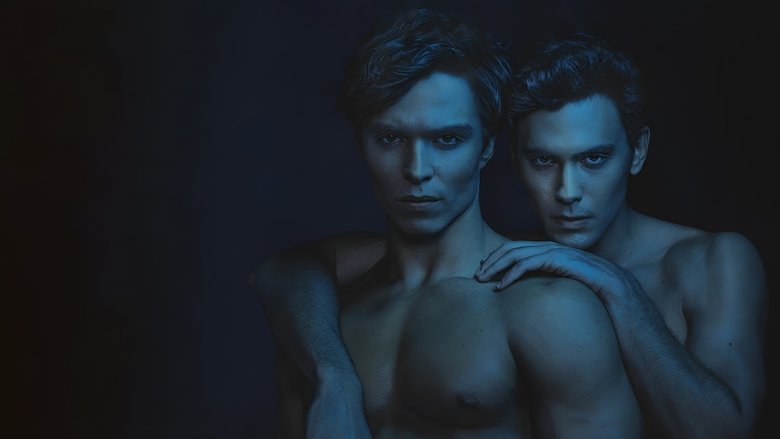
Ryan Murphy and Ian Brennan's second swing at their Monster anthology, nine episodes on Netflix dramatizing the 1989 Beverly Hills killing of José and Kitty Menendez by their sons Lyle and Erik, and the media circus that followed. Javier Bardem plays José, Chloë Sevigny plays Kitty, Nicholas Alexander Chavez is Lyle, and Cooper Koch is Erik. Nathan Lane shows up as Dominick Dunne. The early episodes set up the family before the killings and the brothers' shopping-spree aftermath.
What Works
Bardem, mostly. He plays José as a slab of controlling menace that fills every room he's in, and Sevigny works underneath him in a quieter register that makes Kitty feel like a real person rather than a plot device. Koch is the actual discovery here, doing the hardest interior work in the cast. There's one bottle episode built almost entirely around him, shot in long unbroken takes, that plays like a different, better show entirely. Nathan Lane chewing scenery as Dominick Dunne is exactly the correct amount of camp. The period design is dialed to the Murphy house style: white leather sofas, tennis whites, cordless phones the size of loaves of bread. When it wants to be a lurid late-'80s Beverly Hills soap, it's genuinely good at that.
The Argument Against
Nine hours, and it has no idea what it thinks. Murphy and Brennan swing the sympathy pendulum back and forth episode by episode. Monsters one week, victims the next, and then back again, so by the finale you feel argued at rather than moved. The pacing sags hard around the middle, with entire hours that could be cut without losing a beat. The tone lurches between courtroom drama, camp, horror, and misery memoir, and none of them get room to breathe. And the show can't resist the Murphy tic of stopping the story so a character can deliver a thesis statement about what you should be feeling.
The Right Viewer
If you liked Dahmer and you already keep a Menendez tab open in your brain, this is your Tuesday-night show. Fans of American Crime Story: The People v. O.J. Simpson will find a much sloppier cousin here. Anyone who wants a tight limited series in the mode of Mare of Easttown or the first Monster will tap out by episode four when the plot starts eating itself. If tonal whiplash makes you crazy, don't bother.
The Verdict
BACKGROUND TV, because the ceiling is high and the floor is a swamp. Koch's showcase episode is legitimately one of the best hours Netflix aired that year. The other eight are a Ryan Murphy grab bag, gorgeous and unfocused, padded to fill a season order the story didn't need. The writing keeps reaching for a Big Statement about abuse, media, and truth, then flinching, then reaching again, until the theme is a pile of half-drafts instead of an argument. That's not preachy, exactly. It's worse. It's a show that wants credit for saying something without deciding what. Great performances, real craft in the design, one all-timer episode. Watch it while you fold laundry, jump to episode five when you want the good one, don't feel bad about missing the rest.
Sources: