What It Is
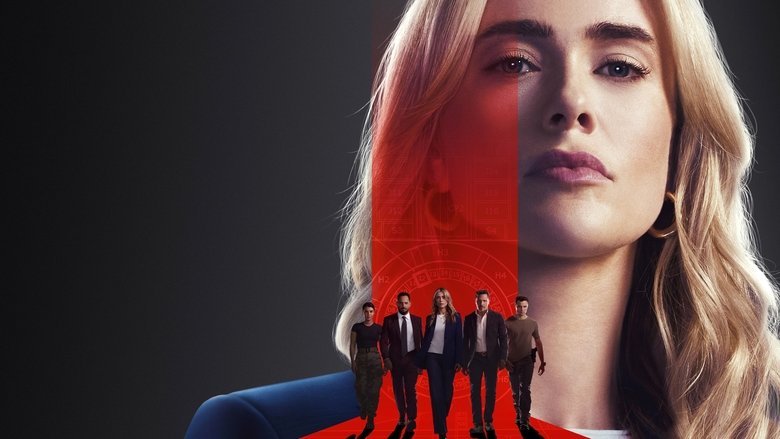
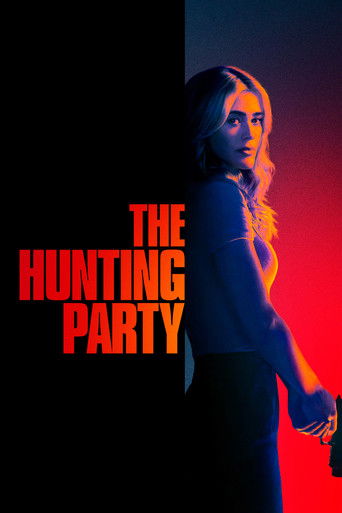
NBC's answer to the question nobody asked: what if there was a serial-killer prison and it broke open? Melissa Roxburgh (Manifest) plays Bex Henderson, a disgraced FBI profiler yanked back into service when an explosion at a black-site facility called "The Pit" springs a roster of the country's worst offenders. She teams with a CIA agent (Patrick Sabongui), a fellow fed (Nick Wechsler), a Pit guard (Josh McKenzie), and an Army Intelligence officer (Sara Garcia) to round them up. Serialized backstory about who built the prison and why runs underneath the killer-of-the-week engine. Created by JJ Bailey, produced by Universal Television for NBC's Sunday-night procedural slot.
The Argument For
Roxburgh is a competent lead who can carry an hour of network TV without making you check your phone. The premise is genuinely elastic — a fresh psycho every week means each episode gets its own setting, its own hook, its own guest role for a character actor to chew on. Sabongui brings some texture as the CIA guy with mysterious ties to the whole operation. If you want a clean sixty minutes of chase-the-monster with a mythology thread you can half-follow while cooking dinner, the machine works. It's the kind of show CBS would order 22 episodes of and you'd still catch reruns of on a Tuesday in 2031.
The Argument Against
The 18% Rotten Tomatoes score and 34 Metacritic are not a hit piece, they're a diagnosis. The killers are cartoonishly evil in ways that flatten every episode's tension — you know the score by minute six. The dialogue does that procedural thing where characters explain the plot to each other while walking down corridors. Bex's tortured-profiler backstory gets doled out in flashback chunks that feel workshopped rather than felt. Direction is competent and forgettable. The show reaches for Silence of the Lambs and lands somewhere south of Criminal Minds season fourteen.
Who Should Watch
Sticks with it: people who miss when networks made twenty of these a year, Manifest fans following Roxburgh, anyone who watches FBI, FBI: Most Wanted, FBI: International as a Tuesday-night triple. Bounces in episode two: anyone expecting Mindhunter, anyone who wants the killers to feel like people instead of Halloween masks, anyone who's seen enough profiler shows to predict the third-act reveal from the cold open.
The Ruling
SLOP because it's an assembly-line product moving at assembly-line speed. Every scene lands exactly where you expect it to land, on the beat you expect, with the score cue you expect. The writing isn't offensive, it isn't preachy, it isn't anything — it's just the shape of a thriller with none of the danger. Roxburgh deserves better material and Sabongui deserves more to do. The mythology promises depth the show never bothers to earn, and the case-of-the-week structure keeps flattening what could've been genuinely scary premises into forty-two minutes of hallway walk-and-talk. Not offensively bad. Just nothing. That's what SLOP means.
Sources: