Where This Starts
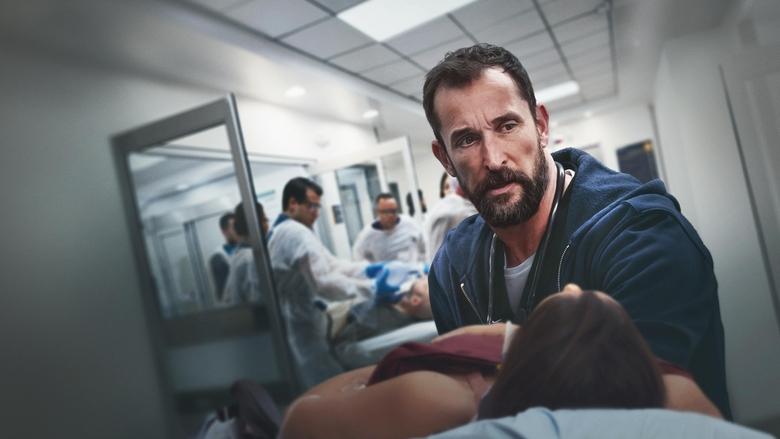
"The Pitt" is a Max medical drama from R. Scott Gemmill (a longtime "ER" writer), executive produced by John Wells and its star, Noah Wyle. The gimmick: each season is a single shift at the fictional Pittsburgh Trauma Medical Center, and each episode is one hour of that shift, told close to real time. Wyle plays Dr. Michael "Robby" Robinavitch, the senior attending running the ER. The pilot drops him at 7 a.m., hands him a fresh crop of residents, interns and med students, and lets the waiting room start filling up. That's the setup. Everything else is what happens on the clock.
In Its Favor
Wyle is doing the best work of his career, full stop. Twenty-plus years after leaving "ER," he's back in scrubs playing a man whose competence and exhaustion are visible in the same shot, and it's a genuinely great performance. Gemmill's scripts trust you to keep up with medical vocabulary the way "The Wire" trusted you with cop slang. The real-time conceit isn't a stunt either. Beds fill, labs come back late, a family in the waiting room ages in front of you, and the whole hospital breathes as one organism because there's a second unit choreographing background traffic to match the foreground. The ensemble around Wyle, especially the younger residents and charge nurse, gets room to actually develop shift by shift instead of episode by episode. It looks unglamorous on purpose. Fluorescent lights, chipped linoleum, the good stuff.
The Argument Against
The clock is relentless, and that means so is the show. There's no B-plot at home, no bottle episode to catch your breath, no romantic subplot doing the ventilation work network medical dramas usually do. Some patients pass through in six minutes and you're expected to care anyway. It occasionally reaches for a Big Contemporary Issue (gun violence, ER overcrowding, insurance) and holds it up a beat too long before getting back to the case. The show is also, honestly, brutal to watch some weeks. Pediatric trauma, overdoses, the works. If your day job already involves stress, this is not decompression television.
Who This Is Actually For
If you loved "ER," "The Wire," "Chernobyl," or the procedural rigor of "Better Call Saul," you're going to eat this with a spoon. If your bar for a medical show is "McDreamy flirts in an elevator," you'll last one episode. It's for viewers who want craft, density, and adult stakes. It's not for anyone who watches TV with one eye on their phone. You will miss something.
Final Word
DROP EVERYTHING because the format, the writing and the lead performance are all firing at once, which almost never happens. The real-time structure could've been a gimmick and instead it's the engine. Wyle carries entire hours on his face. Gemmill and his writers respect the audience enough to let procedure do the emotional work, which is how you earn a theme instead of announcing one. When the show wants to say something about a broken healthcare system, it does it by showing you a waiting room, not by handing a monologue to a character. That's the Lecture Test passed. It occasionally leans harder on an issue than it needs to, but the drama is always doing the lifting. This is the rare new prestige drama that justifies a subscription on its own.
Sources: