The Pitch
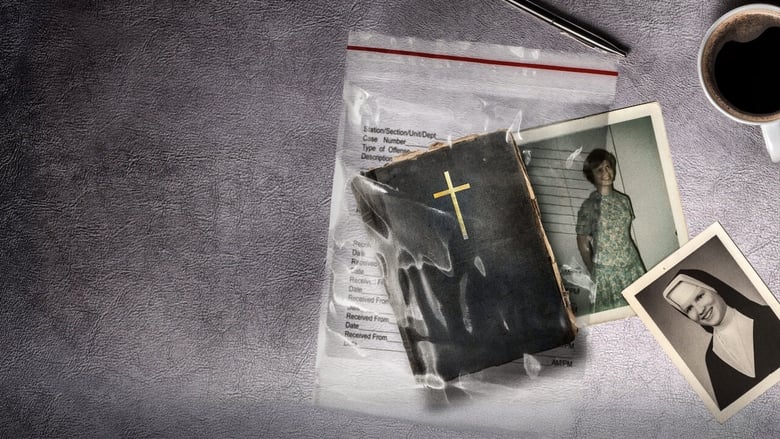
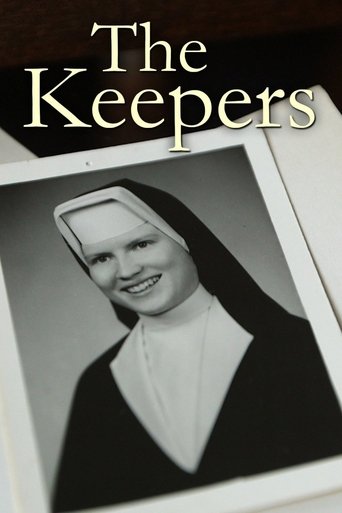
"The Keepers" is a seven-part Netflix documentary from 2017, directed by Ryan White, about the 1969 murder of Sister Cathy Cesnik — a young nun who taught English at Archbishop Keough High School in Baltimore. The case was never solved. Decades later, two of her former students, Gemma Hoskins and Abbie Schaub, decide to investigate it themselves, running a Facebook group, chasing leads, and knocking on doors the Baltimore police mostly wouldn't. The first episodes lay out the murder, the school, the era, and the retired-teacher-and-grandmother duo doing more legwork than the professionals.
What Works
White's biggest craft choice is refusing the true-crime house style. No wall-to-wall score telling you when to gasp, no cliffhanger stingers, no reenactments with a smoke machine. He lets women in their sixties and seventies talk, at length, in their own kitchens, and trusts you to lean forward. Gemma and Abbie are the beating heart — one gregarious and dogged, the other quiet and methodical, and the show understands that watching regular people get organized is inherently gripping. The interviews with former Keough students are handled with a patience most docs don't have the nerve for. Cinematographer John Benam shoots Baltimore like a place with weather and weight, and editor Helen Kearns builds the episodes around people, not reveals.
The Argument Against
It's slow. Seven hour-long episodes is a lot of runtime for a case with no tidy resolution, and the middle stretch loops through interviews and archival digressions that a tighter cut would've trimmed. If you want a whodunit that lands, this isn't that. The scope also balloons past the murder into institutional territory, and some viewers will feel the throughline get soft. And the subject matter is genuinely rough — the show doesn't wallow, but it also doesn't spare you.
Who It's For, Who'll Bounce
If you loved the patient investigative rhythms of "The Jinx" pilot or the community-portrait feel of "Making a Murderer" without the tabloid edges, you're in. Fans of Sarah Koenig-style journalism, ditto. If your true crime diet is "Dateline" recaps and forty-minute YouTube breakdowns, you'll tap out by episode three. Anyone looking for entertainment about a murder should watch literally anything else. This is a documentary about accountability, memory, and elderly women refusing to be told no.
The Verdict
WORTH IT because it earns everything through craft, not volume. White has a real thesis — that ordinary people, given time and each other, can move institutions the state won't — and he dramatizes it instead of announcing it. Gemma and Abbie aren't framed as symbols; they're framed as two specific women with specific personalities, and the politics of the show emerge from watching them work. That's the Lecture Test passed cleanly. The writing lets survivors speak without underlining their pain, the direction stays out of the way, and the pacing, while demanding, is the point: this is what actual investigation looks like when nobody's paying you to do it. It's not fun. It shouldn't be. It's a well-made, quietly furious piece of work, and it treats its audience like adults. That clears the bar.
Sources: