Where This Starts
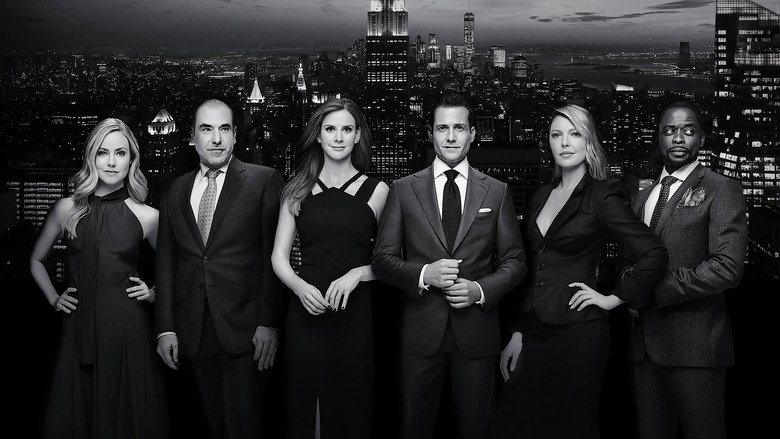
"Suits" is a USA Network legal drama created by Aaron Korsh that ran nine seasons starting in 2011 and, thanks to Netflix picking up the first eight, became the streaming monster of the mid-2020s. The pilot sets up a simple lie: Mike Ross (Patrick J. Adams) is a Brooklyn kid with a photographic memory who's been hustling to pay for his grandmother's care. He stumbles into a job interview with Harvey Specter (Gabriel Macht), New York's smuggest closer, and gets hired at a white-shoe Manhattan firm despite never having gone to law school. Everyone else in the office thinks he went to Harvard. The rest of the show is: don't get caught. Around them, Rick Hoffman plays the twitchy rival Louis Litt, Gina Torres runs the firm as Jessica Pearson, Sarah Rafferty plays Harvey's assistant Donna, and Meghan Markle plays paralegal Rachel Zane.
What Works
Macht and Adams have that rare TV chemistry where you'd watch them read a takeout menu. Macht's whole performance is a raised eyebrow with a suit draped over it, and it works. Hoffman as Louis is doing something weirder and better than the show technically needs — a stress ball of a human, twitchy and needy and occasionally moving. Rafferty's Donna gets the show's snappiest dialogue and sells it. Korsh cribbed the rhythms from Aaron Sorkin without pretending otherwise: fast walk-and-talks, closing arguments delivered as monologue, characters who quote movies at each other in every scene. It looks expensive. The offices are lit like cologne ads. Nothing about it is trying to be prestige TV, and that's the whole point — it's a well-oiled procedural that knows exactly what drug it's selling.
Where It Falls Down
The legal stuff is nonsense. Cases resolve in one act because somebody finds a document or gives a speech, and if you've ever met a lawyer you'll spend nine seasons twitching. The show also runs on the same engine for a long, long time: someone almost finds out about Mike's secret, they don't, roll credits. Plot beats recur. Big feelings get hit with the same string cue. And at 134 episodes, you're signing up for a lot of "Harvey walks slowly toward camera" reaction shots.
Who'll Love It, Who'll Bail
If you loved "White Collar," "The Good Wife" at its pulpier, or "Boston Legal" minus the courtroom fireworks, you're home. If you need "Better Call Saul"-level craft or actual jurisprudence, you'll be out by episode two, muttering about the Model Rules of Professional Conduct. Great for folding laundry, cooking, or half-watching on a hotel treadmill.
The Verdict
BACKGROUND TV is the honest tier. The writing is competent but formulaic, the performances are better than the scripts deserve, and the direction is glossy network house style. Korsh built a repeatable episode machine and rode it for nine seasons, which is a real skill and also a ceiling. It's not preaching, it's not aiming high enough to preach — it wants you to like Harvey, laugh at Louis, and keep clicking next. On that assignment, it delivers. It just doesn't demand your eyes, and pretending otherwise is what got the tier system invented in the first place.
Sources: