Where This Starts
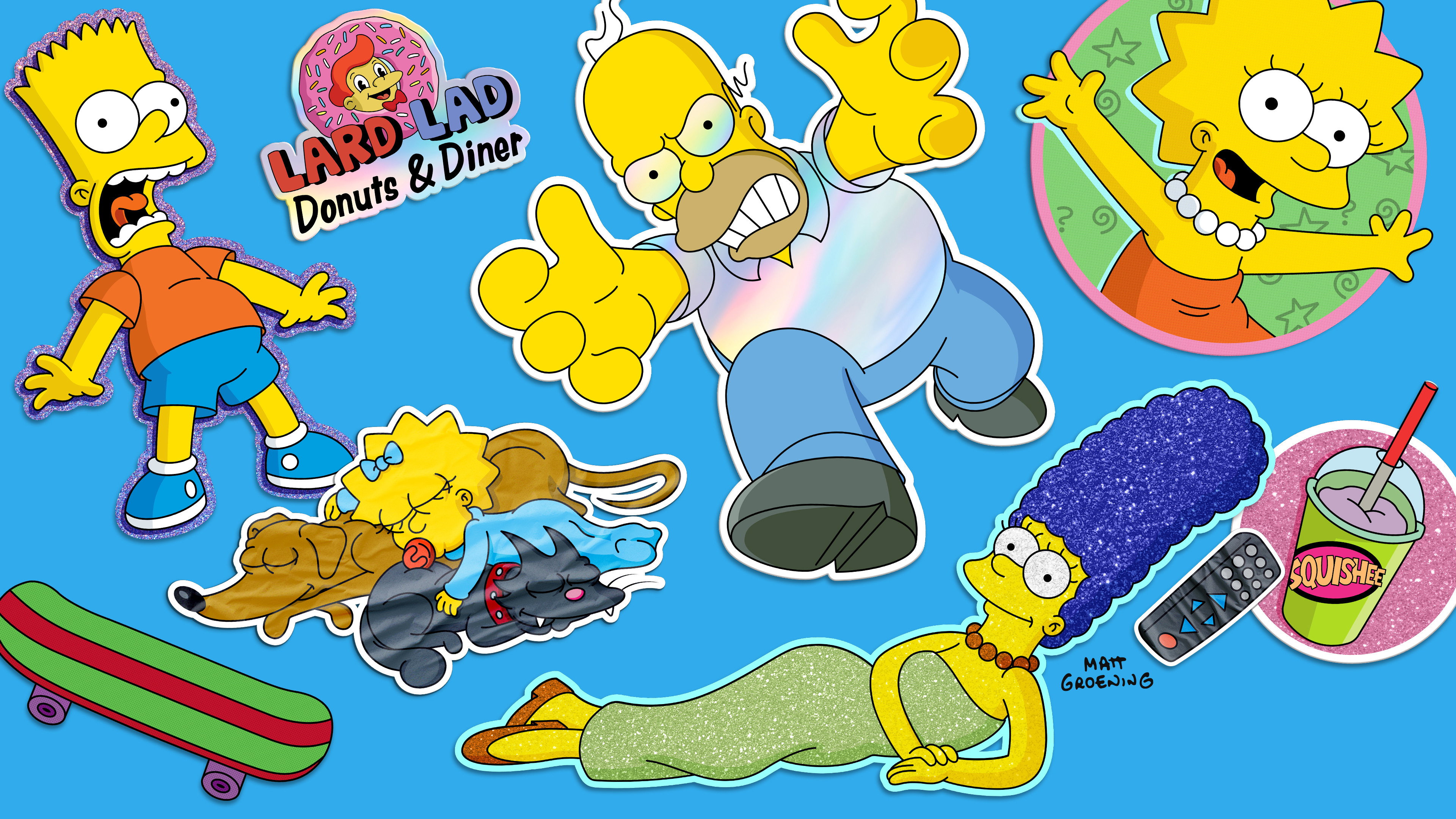
Matt Groening's animated Springfield opus, on the air since 1989 and still limping across the finish line every May. Homer works at a nuclear plant he shouldn't be allowed inside. Marge holds the family together with sheer patience. Bart's ten and armed. Lisa's eight and smarter than everyone in the room. Maggie has a pacifier and better comic timing than most sitcom leads. Dan Castellaneta, Julie Kavner, Nancy Cartwright, Yeardley Smith, Hank Azaria, and Harry Shearer voice roughly half the town between them. Early seasons establish the setup and then, somewhere around season three, the show quietly becomes the best thing television has ever done.
What It Gets Right
The golden run — call it seasons three through eight, argue about the edges — is the single densest joke-per-minute stretch in American TV history. The writers' room included Conan O'Brien, George Meyer, John Swartzwelder, Jon Vitti, David Mirkin, Bill Oakley, Josh Weinstein. That's a murderers' row. Episodes like "Marge vs. the Monorail," "Last Exit to Springfield," "Cape Feare," and "Homer at the Bat" work as sitcom, satire, and cartoon at once, which shouldn't be possible. The vocal cast built an entire town of distinguishable people using six throats. Alf Clausen's orchestral score treated a Fox cartoon like a movie musical and it paid off constantly. The show basically invented the modern couch-gag cold open, the celebrity cameo done right, and half the sentence structures your dad still quotes at Thanksgiving.
The Case Against
The wheels came off. Anyone claiming otherwise is being sentimental. Post-2000 seasons are a slow-motion craft collapse: characters flattened into single traits, plots that lurch instead of build, jokes that used to sneak up on you now announced by a klaxon. Homer became a cartoon of a cartoon. Guest stars stopped being deployed for a bit and started being deployed to fill airtime. The animation got shinier and the writing got softer. There are twenty-plus seasons any reasonable person would skip, and Disney+ presents all of them as if they're the same show. They aren't.
Who This Is Actually For
If you've never seen it, you're getting a fossil of an entire era of American comedy — the shared reference point for anything sharp that came after, from "Arrested Development" to "Bob's Burgers" to half of "Rick and Morty." Watch seasons three through nine. You'll be fine. Anyone expecting the propulsive serialization of modern prestige TV will bounce; this is 22-minute standalone stories where the joke is the point. Anyone starting with a random recent episode will conclude the internet lied to them. It did not lie. You picked the wrong cut of meat.
Final Word
WORTH IT, and it's not close, provided you know what you're actually watching. The verdict grades the good stuff, not the hostage situation. At its peak, the writing is denser and more literate than anything else that's ever aired on network TV — jokes stacked in layers, background gags rewarding pause-and-rewind, satire that lands without a lecture. Nothing in the golden run gets on a soapbox. The show has opinions about labor, education, religion, small-town rot, but it delivers them through Homer being an idiot and Lisa being right and Mr. Burns being cheerfully evil. Story first, character second, position third — that's the order, and it's why the material holds up thirty years later while the show that replaced it can't remember its own bit. Skip everything after roughly season ten and it's five-star television. Scripture, honestly.