The Setup
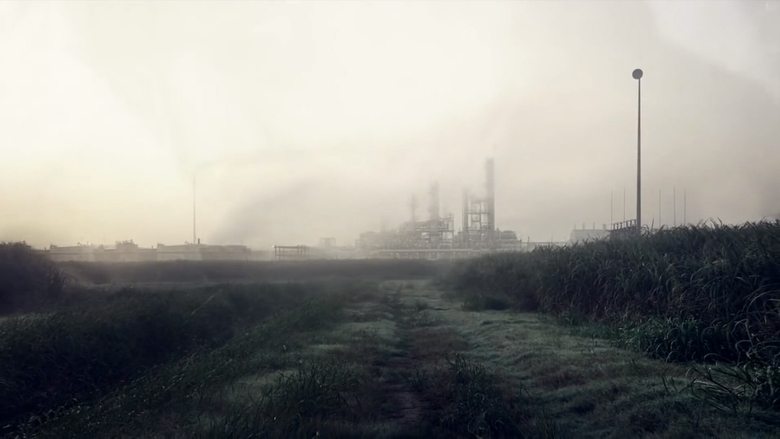
True Detective is HBO's anthology crime series, which means every season is a new case, a new town, a new pair of detectives staring into something ugly. Season one, from creator Nic Pizzolatto, drops Matthew McConaughey and Woody Harrelson into rural Louisiana as two state homicide cops circling a ritualistic murder across seventeen years. Season two heads to industrial California with Colin Farrell, Rachel McAdams, Taylor Kitsch and Vince Vaughn. Season three follows Mahershala Ali through the Ozarks across three decades. Season four, Night Country, hands the show to writer-director Issa López and puts Jodie Foster and Kali Reis in the endless winter dark of Ennis, Alaska, where a research station's crew vanishes. Different show every time, same appetite for weather, silence, and cops who've been sitting in the car too long.
The Case For
Season one is still one of the best eight hours of television anyone's aired. Cary Fukunaga directed every episode, which is why it looks like a single movie instead of a season, and the six-minute tracking shot in "Who Goes There" is the flex people remember for a reason. McConaughey's Rust Cohle is a career performance, Harrelson grounds it, and the swampland cinematography from Adam Arkapaw makes the setting a third lead. Season three, quieter, is a Mahershala Ali showcase across three timelines and mostly earns it. Night Country nails atmosphere: perpetual dusk, wind, Jodie Foster playing tired in a way only she can, Kali Reis holding her own opposite a two-time Oscar winner.
Where It Falls Down
The variance is the whole story. Season two is a famously overstuffed muddle where four leads compete for airtime and nobody wins. Pizzolatto's dialogue, so hypnotic in season one's philosophical monologues, curdles into self-parody when he's not on. Night Country is gorgeously shot and genuinely tense, but López leans on supernatural suggestion where season one used dread, and some of the case's mechanics don't hold up if you poke them. If you go in expecting eight hours of Rust Cohle every time, you'll be annoyed roughly 75% of the runtime.
Who'll Love It, Who'll Bail
Fans of Zodiac, Mindhunter, The Killing, Sharp Objects, Wind River, Fargo. Anyone who wants slow, moody, weather-soaked procedurals where the vibe matters as much as the case. Bounce risk: viewers who want tight, closed-ended episodes, or who need every season of an anthology to be equally good. If season two's reputation scares you, skip it and don't feel bad. Season three and Night Country are both solid on their own.
Final Word
WORTH IT is doing real work here, because "watch season one, then choose your own adventure" is the honest recommendation and the tier reflects it. Season one is a masterpiece of mood, performance, and single-director control; nothing else in the run reaches that bar, but season three and Night Country clear the bar for good prestige crime TV, and season two at least fails ambitiously. On the Lecture Test: Night Country got tagged in some corners as message-first, but López mostly earns her themes through place, casting, and the specific rhythms of a town that hasn't seen the sun in weeks. The story does the talking, not a character stopping to explain it. When the show falters it's usually craft, not sermon: Pizzolatto's dialogue getting drunk on itself, plotting that goes murky, a case whose supernatural garnish thins out under scrutiny. Uneven, but the peaks are high enough to sentence the whole run WORTH IT.