The Pitch
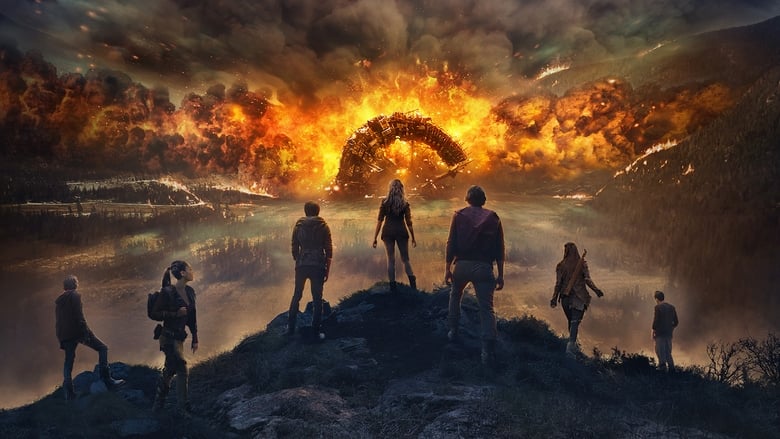
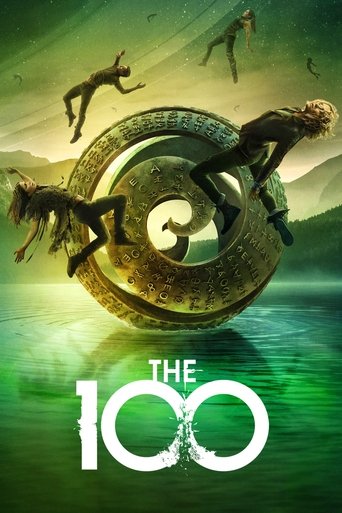
Ninety-seven years after a nuclear apocalypse, humanity's last remnants live on a decaying space station called the Ark. Running out of air, they send a hundred teenage prisoners down to the surface to see if it's survivable. Jason Rothenberg developed the show for The CW from Kass Morgan's YA novels; it ran seven seasons from 2014 to 2020, got dropped by Netflix, and now lives on Pluto TV with ad breaks, which is the streaming equivalent of a witness protection program. Eliza Taylor plays Clarke, the reluctant leader with a doctor mom on the Ark. Bob Morley is Bellamy, the older-brother hothead. Marie Avgeropoulos, Lindsey Morgan, Richard Harmon, Henry Ian Cusick, and Paige Turco round out a cast that's better than the material. Early episodes: they land, they fight, they realize Earth isn't as empty as advertised.
In Its Favor
Season one has a real hook. Locked-up kids on a hostile planet, adults trapped upstairs watching oxygen tick down, both sides making ugly calls. Taylor grounds the whole thing. She plays Clarke as tired before she's earned tired, and it works. Morley and Harmon dig in too, especially Harmon, whose Murphy is the closest thing the CW ever made to a genuinely off-putting series regular. The world-building goes further than a CW budget should allow, and when the writers commit to a Lord of the Flies beat, they actually commit. It also earned real critical goodwill early on, and the fandom that stuck through all seven seasons isn't imaginary.
The Case Against
The math stops working around season three. Plot engines get swapped every 10 episodes, mythology piles up faster than the writers can explain it, and characters who used to have interiority start delivering exposition to each other in parking lots. The soap DNA — love triangles, betrayals of the week, someone always yelling someone else's name — never stops crowding the sci-fi. Dialogue that sounded functional at 22 feels canned at 32. And the trolley-problem philosophizing ("who we are and who we need to be") gets recycled so many times it becomes a drinking game. By the back half, the show is chasing its own tail through increasingly abstract new settings.
Who Should Watch
If Teen Wolf, Vampire Diaries, or early Lost Girl was your bedtime carbs, this is your show. If you liked the first two seasons of Lost and wished it had more archery, also yours. Bounce risk: anyone who came for Station Eleven or Silo. This is not that. It's teen-faced pulp with a body count, closer to Hunger Games fanfic than to prestige dystopia. If overwritten CW dialogue makes you wince within five minutes, you'll wince here in four.
The Sentence
SLOP because the ambition keeps outrunning the execution and never catches up. The premise is a banger; the writing can't hold it. Scenes stop moving so someone can announce the theme. Season-long arcs get abandoned mid-swing because a new big-bad is more marketable. Performances that should carry weight get buried under CW music cues and slow-mo staring. This isn't a preachy show — its politics are pulp survivalism, not sermon — so the Lecture Test doesn't rescue or condemn it. It fails on craft. Repetitive plotting, ballooning mythology, dialogue that treats subtext like a bug. Watchable in the background while you fold laundry. Not the appointment viewing its diehards insist it is.