The Premise
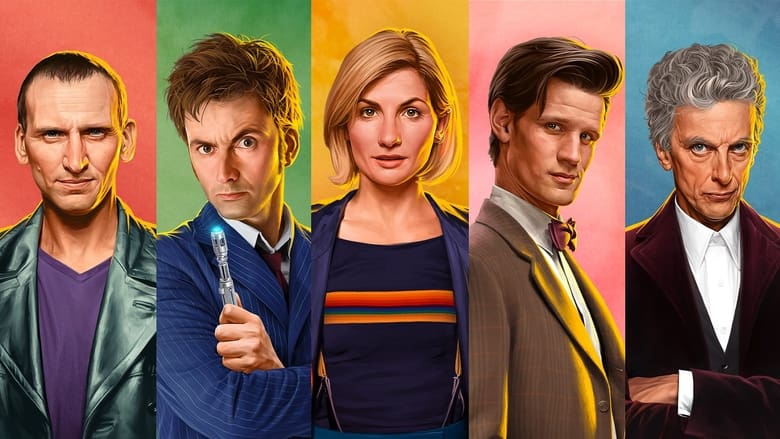
A functionally immortal alien called The Doctor bombs around time and space in a broken police box, picking up humans as companions and solving problems mostly by talking very fast at them. The show has been running, in various forms, since 1963, died in 1989, came back in 2005 under Russell T Davies, and is now on its fifteenth-ish Doctor depending on how you count. The recent Disney+ era stars Ncuti Gatwa and leans hard on Davies as showrunner again. Every few years the lead actor changes bodies, the tone resets, and you're basically watching a new show with the same theme song.
The Case For
When it clicks, it clicks. The David Tennant and Matt Smith years under Davies and Steven Moffat produced episodes ("Blink," "Midnight," "Heaven Sent") that are genuinely some of the best hours of television anyone's made about grief, loneliness, and being scared of a statue. Gatwa is a charisma machine who could read a takeout menu and hold your attention. The format itself is the pitch: one week it's a base-under-siege horror, next week it's a Dickens musical, next week it's a two-hander in a spaceship. When a writer has an idea, this show can accommodate it. Murray Gold's score does more emotional heavy-lifting than most scripts on television.
Where It Falls Down
The show is wildly inconsistent inside a single season, let alone across sixty years. For every "Blink" there's a Slitheen episode where a fart joke is the plot. The Davies-Disney era in particular has a habit of solving its stories by having someone shout the theme of the episode at the camera, which is different from dramatizing it. Budget is uneven, CGI is often dodgy, and the mythology has been retconned so many times that even the writers seem tired of it. If you demand internal logic, this is not that.
Who It's For, Who'll Bounce
Sticks with it: people who liked "Being Human," anyone who watched Tennant-era episodes on PBS as a kid, viewers who want low-stakes weekly TV where you can miss an episode without a group chat panic. Bounces in episode two: anyone raised on prestige serialized drama who needs every hour to matter, and viewers allergic to British theater-kid earnestness. If you found "Sherlock" too pleased with itself, the current era will hit that same nerve.
The Verdict
BACKGROUND TV is exactly right. This is a show you put on while folding laundry, and the good episodes reward you for looking up. The problem with recent seasons isn't the direction of the themes, it's the delivery. Davies has always written from a clear moral position, and in the Tennant years he snuck it into character, dialogue, and monster-of-the-week metaphor. Lately, characters pause the plot to explain what the episode is about, which is the difference between drama and a lecture. The bones are still good — Gatwa is great, the format is elastic, the highs are real — but the writing keeps confusing "saying the thing" with "showing the thing." Put it on. Look up when the music swells. Don't try to watch it like it's "Andor."
Sources: