
What It Is
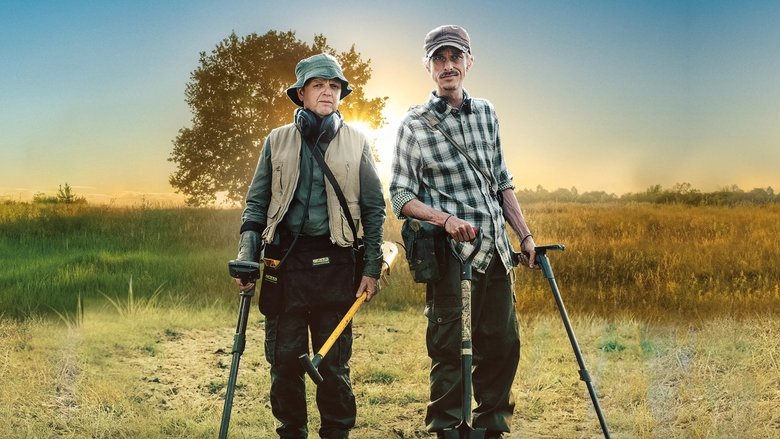
Andy and Lance are two guys in high-vis vests sweeping a field in north Essex with metal detectors, hoping to hit Saxon gold and mostly turning up ring pulls and buttons off Victorian trousers. Mackenzie Crook writes, directs, and stars as Andy alongside Toby Jones as Lance. They belong to the Danebury Metal Detecting Club, a small group of hobbyists with a rivalry against another club run by two men who look like they'd narc on you at a car boot sale. Rachael Stirling plays Andy's partner Becky. That's the setup. Almost nothing "happens," and that's the entire point.
The Argument For
Crook wrote and directed every episode himself across three series, and you can feel one brain making every choice. The Johnny Flynn theme song lands you in the show's soul before a word of dialogue. Toby Jones does the best work of his television career here as Lance — a divorced forklift driver who can quote coin dates like scripture and carries a private sadness he never quite says out loud. Crook underplays Andy so gently you forget he's acting. The photography treats an ordinary English field like it's a landscape from a Dutch master. Bees. Skylarks. Pub scenes that sound like actual pub scenes. The comedy runs on precise character detail: the way Lance says "gold," the way Simon and Garfunkel (the rival detectorists) breathe through their noses. It won two BAFTAs and the Guardian put it at 38 on its best-of-the-century list, and neither feels generous.
Where It Falls Down
If you need plot momentum, this show will feel like watching paint sink into wood. Episodes end and you'll ask what happened. Some of the club scenes lean broad in a way the field scenes don't. It's very English in a specific rural way, and a couple of the running gags depend on you finding hobbyist pedantry funny on sight. The pacing is deliberately slow enough that a bad mood can bounce right off it.
Who Should Watch
If you loved "Fleabag" for the writing but wished it whispered, this is yours. Fans of Nuts in May, Local Hero, or the quieter half of the Cornetto trilogy will settle right in. Anyone who unwinds with Bob Ross, gardening shows, or the calmer Ghibli films — you're home. Bounces: people who need a body by episode two, anyone who found "Ted Lasso" too soft, viewers who confuse "nothing happens" with "nothing's there." If your comedy diet is Always Sunny and hard cringe, you'll be checking your phone in fifteen minutes.
The Sentence
DROP EVERYTHING because this is a masterclass in doing one small thing at the highest possible level. Crook wanted to make a show about male friendship, quiet obsession, and the way people use hobbies to survive their own lives, and he built exactly that with no filler and no compromise. Nothing is broadcast at you. The themes — loneliness, decency, the pull of the past — arrive through Lance's face in a pub, through a long shot of a hedgerow, through what Andy doesn't say to Becky. No character stops the scene to explain what the show is about. The writing trusts you completely. Twenty episodes, no bad ones, and a finale image that people still talk about years later. Rare, kind, and quietly perfect.