The Premise
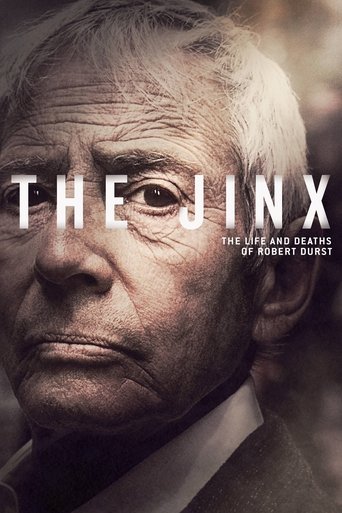
"The Jinx: The Life and Deaths of Robert Durst" is a six-part HBO documentary series from 2015, directed by Andrew Jarecki and produced with cinematographer Marc Smerling. Jarecki had previously made "All Good Things," a fictional feature loosely based on Durst, the real-estate scion who had spent decades trailed by suspicion. Durst saw that film, liked it, and called Jarecki up asking to sit for an interview. The first episodes lay out the terrain: the disappearance of Durst's first wife in 1982, a friend found shot in her Los Angeles home years later, and a bizarre 2001 incident in Galveston, Texas, where Durst was living in disguise. It's Jarecki, across a decade of reporting, methodically walking us through the story while the man at the center sits in front of his camera and talks.
What Works
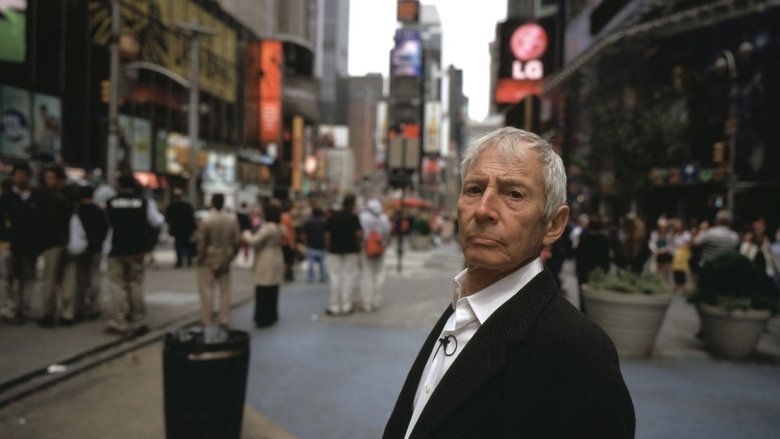
Jarecki got what nobody had gotten before: Durst, on the record, for more than twenty hours across multiple sit-downs. The interview footage is the show. Durst blinks, burps, sighs, and rambles his way through questions any lawyer would have vetoed. Smerling's camerawork treats those pauses like evidence. The archival research is deep — home movies, court files, real-estate records, wiretap tapes — and Jarecki cuts them against dramatic reenactments that are stylized without being cheap. The pacing is patient in a way that modern true-crime rarely bothers with. And the show is genuinely reported. This isn't a producer reading Wikipedia over stock footage. Jarecki chased sources, sat on findings, and built the case a brick at a time.
The Argument Against
Ethics. Jarecki has taken heat for the timeline of what he knew and when he told law enforcement, and reasonable people disagree about whether the filmmakers crossed a line to make better television. If you don't want your documentaries doing detective work in real time, this one will bother you. The reenactments won't be for everyone either — some viewers find them melodramatic. And the pacing that works so well can also feel slack in the middle stretch if you're used to bingeing a case in two nights.
Who It's For, Who'll Bounce
If you loved "Making a Murderer," "The Staircase," or "Wild Wild Country," this is the ancestor. Fans of Errol Morris interviews will recognize the DNA. People who need forward momentum and a case cracked by episode two will get antsy — this is a slow, wintery, tape-and-paper kind of show. Squeamish viewers, take note: it's less gory than it is dread-soaked, but the dread is real.
Final Word
DROP EVERYTHING because "The Jinx" is the one that reset the ceiling. Every prestige true-crime doc that came after — the Netflix ones, the Hulu ones, the podcast-adjacent ones — is chasing what Jarecki pulled off here. The craft is airtight. Interview access no journalist had managed, cinematography that reads faces like a novel reads sentences, sound design that turns hisses and clicks into character, and an editorial patience that trusts the viewer to sit with silence. It's not preaching about crime, class, or media. It's showing you a man and letting the tape do the work. When a documentary earns its subject this cleanly, and lands cultural impact this big without shortcuts, the tribunal doesn't get cute about the tier. Watch it.
Sources: