
Where This Starts
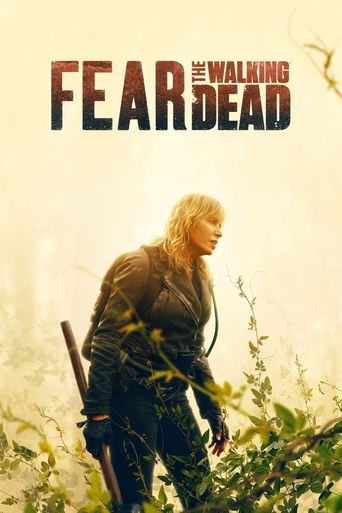
A prequel-turned-parallel spinoff to The Walking Dead, created by Robert Kirkman and Dave Erickson for AMC in 2015. The first three seasons follow a blended Los Angeles family — Kim Dickens as high school counselor Madison Clark, Cliff Curtis as her fiancé Travis, Frank Dillane as her heroin-addicted son Nick, and Alycia Debnam-Carey as her daughter Alicia — watching the world tip over into the dead rising while everyone around them still thinks it's the flu. Season one is small, urban, and domestic. Season two puts the family on a boat heading down the Baja coast. Then the show reboots in season four, brings in Lennie James's Morgan Jones from the mothership, and becomes a different show entirely.
What It Gets Right
Dickens and Dillane are the reason to show up. Dickens plays Madison as a woman who was already exhausted before the apocalypse gave her a real job to do, and Dillane's Nick — a strung-out kid who turns out to be uniquely wired for the end of the world — is one of the more interesting characters the whole franchise produced. The season one pilot is quietly excellent: an LA slowly noticing itself, ambulances that never come, a school emptying out, riots on the news. Cinematographer Michael McDonough shoots early episodes with a washed, sun-fried palette that feels genuinely different from Georgia-forest Walking Dead. Season three's Broke Jaw Ranch arc has a real western-siege energy, and Rubén Blades and Colman Domingo are excellent throughout.
The Argument Against
The soft reboot. After season three, showrunner Dave Erickson leaves, Scott Gimple installs new runners, Morgan shows up, and the show throws out most of what made it its own thing. The Clark family is essentially dismantled to make room for a road-trip anthology of one-off characters wandering Texas. Villains stop being people and start being concepts — a woman who videotapes her murders, a guy with a hammer, a guy with a nuke. The pacing goes gummy. Dialogue turns into people announcing their feelings in the middle of fields. By season six you're watching a completely different show wearing this one's title card.
The Right Viewer
Walking Dead completists will grind through all eight. Anyone who liked the small, character-driven paranoia of 28 Days Later or the early domestic dread of The Last of Us should watch seasons one and two and treat the rest as optional. If you bailed on the mothership around the Negrenaissance because the villain speeches got exhausting, the back half here will do the same thing to you, just with more Texas.
The Ruling
Background TV is generous, and it's the right call because of what the show is on either side of season three. Early Fear had a genuine identity — a slow-burn family drama about denial, addiction, and a mother trying to hold four people together while civilization quietly checks out. Then the machine took over. Post-reboot episodes lean on monologue instead of behavior, hand plot momentum to guest villains who exist for one arc and evaporate, and mistake sprawling ensemble for depth. The craft problem isn't ambition, it's execution. Dickens gets sidelined, Dillane leaves, and the writing starts telling you what to feel about characters it hasn't earned. Put it on while you fold laundry, watch Dickens work, and let the rest wash past. The blurb was right: two great seasons, six you can safely ignore.