The Setup
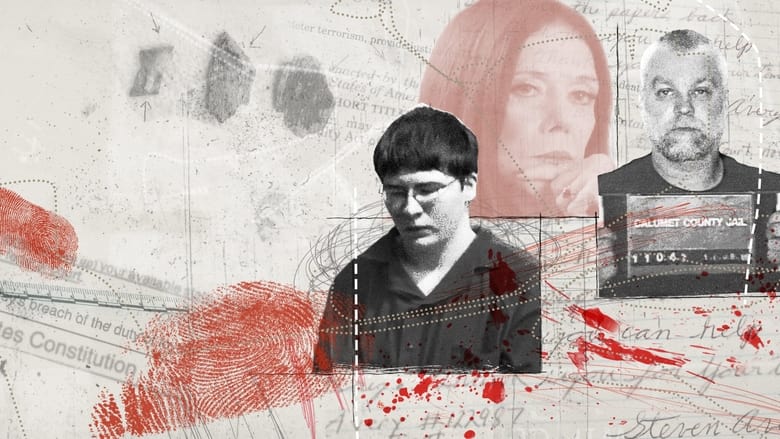
A 2015 Netflix documentary from Laura Ricciardi and Moira Demos, ten episodes long, filmed over a decade in Manitowoc County, Wisconsin. The subject is Steven Avery, who spent 18 years in prison for a sexual assault he didn't commit, got out via DNA evidence, sued the county for millions, and then, before the lawsuit could pay out, was arrested for the murder of photographer Teresa Halbach. Season one covers the arrest, the pre-trial fight, and the case the state builds. Season two, released 2018, follows post-conviction attorney Kathleen Zellner as she takes another swing. That's the setup. Everything past there is the show doing its work.
What Works
Ricciardi and Demos shot this thing over ten years, and it shows. They had cameras in rooms most doc crews would sell a kidney to get into: defense strategy sessions with Dean Strang and Jerry Buting, family kitchens, small-town press conferences that play like Coen brothers auditions. Strang and Buting became folk heroes for a reason. They're careful, plainspoken lawyers who explain rules of evidence on camera without ever sounding like they're explaining. The pacing in season one is patient in a way streaming rarely allows anymore. There's no narrator, no talking-head chorus telling you how to feel, just tape and time. When it hits, it hits because the filmmakers trusted the material to build.
The Case Against
The directors have a thesis, and they cut toward it. Prosecutors and cops have pointed out omissions since week one, and some of the complaints are fair. If you want a balanced accounting of the Halbach investigation, this isn't that documentary; it's a defense-side chronicle wearing verité clothes. Season two is where the wheels wobble. Zellner is a magnetic screen presence, but the material she's working with is procedural motion practice, and ten more hours of expert reenactments and filing deadlines can't carry the weight the first season did. Momentum drains. By hour six of part two you're watching lawyers watch monitors.
The Right Viewer
If The Jinx, The Staircase, or the first season of Serial got their hooks in you, this is the deep end of that same pool. Fans of slow legal procedure, small-town Americana, and dogged defense-attorney characters will settle right in. Bounce risk: anyone who wants a doc to tell them what to think in a tidy 90 minutes, anyone allergic to unresolved endings, and anyone who came in for a whodunit and hoped for a solution. It's not that kind of story. It's a story about how the machinery grinds regardless of what's true.
Final Word
WORTH IT for season one, and season one alone is enough to justify the tier. The craft is real: patient editing, brave access, two lawyers who belong in a different show together, and a portrait of a county that doesn't need any editorializing to feel damning. The filmmakers have a point of view and they push it, but they push it through footage and cross-examination, not narration or scoring cues. Themes about class, competence, and small-town power land because the tape earns them, not because anyone stops to explain the moral. Season two is the drag on the grade. It's diligent, it's honest, and it's often boring — a legal update stretched to prestige length. Watch part one, read a Zellner interview later, call it a wash.
Sources: