Where This Starts
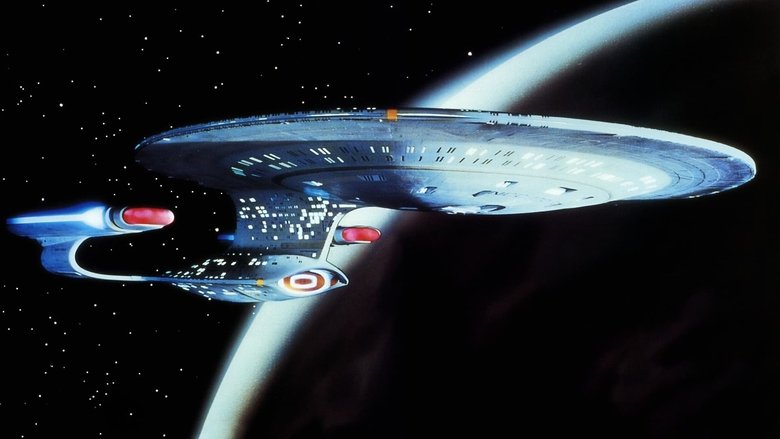
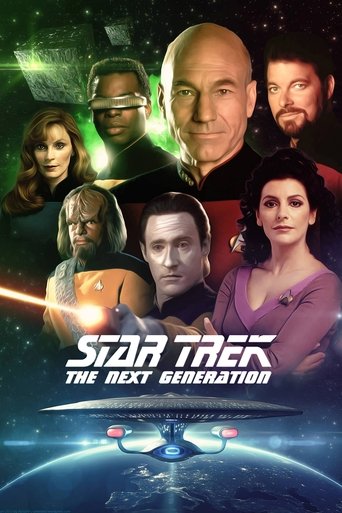
"Star Trek: The Next Generation" (1987–1994, streaming on Paramount+) is Gene Roddenberry's second Trek — set roughly a century after Kirk and Spock, aboard a new Enterprise commanded by Jean-Luc Picard (Patrick Stewart, doing the most patrician work anyone's ever done in polyester). The early episodes install the pieces you'll live with: Riker (Jonathan Frakes) as first officer, Data (Brent Spiner) as the android trying to be human, Worf (Michael Dorn) as the Klingon in Starfleet uniform, Geordi, Troi, Crusher, and a small child named Wesley whose presence you'll have opinions about. First season is famously rough. Second gets better. Season three is where the show becomes the show.
In Its Favor
Patrick Stewart. He treats a script about warp coil harmonics like it's Chekhov, and it works. The ensemble around him grew into itself: Frakes learned to lean back and enjoy Riker; Spiner turned Data into a genuine performance instead of a gimmick; Dorn's Worf became one of TV's great slow-burn character studies across seven seasons and four more of Deep Space Nine. Michael Piller running the room from season three on, with Ronald D. Moore and Rene Echevarria and Brannon Braga writing under him, is the era every prestige-drama showrunner since has quietly copied from. The bottle episodes are better than most peak-TV finales. "The Measure of a Man." "The Inner Light." You know the ones.
What It Gets Wrong
Season one is bad. Not "acquired taste" bad, actually bad — stilted, preachy in the exact way the show later learned not to be, and dressed like a community theater production of Logan's Run. Even in its prime the show runs on a tidy 44-minute problem-solving structure: something goes wrong, the bridge crew stares at a screen, Geordi reroutes power, Picard makes a speech, the credits roll. If you need serialized stakes and cliffhangers, this cadence will feel like a lullaby. Wesley Crusher exists. Troi's early character writing exists. The technobabble is a real thing you have to accept.
The Right Viewer
For: people who liked "The West Wing" but wish it had more space, anyone who finds comfort in procedural rhythm, anyone who wants their sci-fi to argue an idea instead of blow something up. Fans of "Andor" who came in through Star Wars might find the pacing glacial; fans of "For All Mankind" (Ronald D. Moore again) will recognize the DNA. Skip past season one, start with "The Measure of a Man" in season two, and if that episode doesn't land for you, the show never will.
Final Word
WORTH IT because the craft catches up to the ambition and then keeps going. The writing room under Piller taught itself to build entire episodes around a moral question and trust the actors to carry it, and Stewart, Spiner, and Dorn are more than up to the job. On the Lecture Test: the show has a worldview — post-scarcity, diplomatic, aggressively humanist — but it earns it through story. Picard talks like a diplomat because he is one, and the writers put him in rooms where diplomacy actually costs something. It's ideas delivered as drama, not as memos. That's the trick most modern message shows miss, and it's why this one still plays thirty years later. Pour tea. Skip season one. Enjoy.