
The Premise
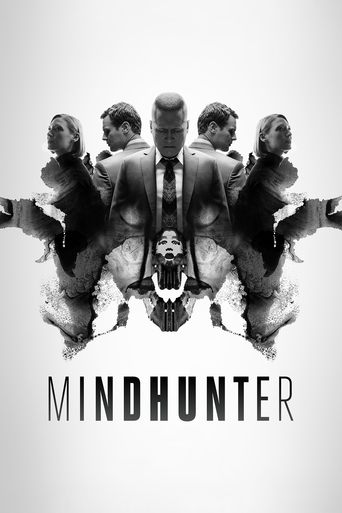
FBI agent Holden Ford (Jonathan Groff) starts driving out to maximum-security prisons in the late '70s to interview the men everyone else wants to forget — Edmund Kemper, Jerry Brudos, Richard Speck. He drags along Bill Tench (Holt McCallany), a Behavioral Science Unit lifer who talks to cops for a living, and eventually psychology professor Wendy Carr (Anna Torv), who wants to turn the tapes into a science. It's the founding of criminal profiling, dramatized by David Fincher and adapted by playwright Joe Penhall from John Douglas's memoir. Two seasons, ten and nine episodes. Motels, tape recorders, ties too wide, coffee that looks awful.
The Case For
Fincher directs the bookends of both seasons and produces the rest on a leash so short you can barely tell where he stops. Every frame is composed like he's being graded on it. The interview scenes — most of them long two-handers in cinderblock rooms — are the best acting on Netflix, full stop. Cameron Britton's Kemper is the famous one and deserves it, but Happy Anderson's Brudos and Sonny Valicenti's ADT man do quieter, uglier work. Holt McCallany turns a middle-aged Bureau guy into something enormous just by listening. The needle drops are Fincher-precise. The '77 wallpaper, the Ford LTDs, the fluorescent hum — nobody else builds a period like this without winking.
The Argument Against
It's slow. Deliberately, philosophically slow. Whole episodes are two men in a room talking about awful things over stale coffee, and if that doesn't grab you by minute twenty of the pilot it never will. Groff plays Holden as a smug boy scout on purpose, and some viewers find him insufferable rather than fascinating. The Wendy Carr subplot in season two loses altitude compared to the main investigations. And it ends mid-sentence — Netflix shelved it indefinitely in 2020, so you're signing up for a story with no landing.
Who It's For, Who'll Bounce
If you loved Zodiac, the pilot of True Detective, or the quiet paranoia of The Americans, you're already in. If your idea of a crime show is Criminal Minds cutting to a chase every eight minutes, you'll quit before Kemper's second scene. Anyone who needs a body per episode, bounces. Anyone who wants to watch craftspeople at the top of their game make discomfort into art, stays.
The Sentence
DROP EVERYTHING because there's nothing else on television that operates at this altitude of craft and isn't finished. Fincher runs the show like he's shooting Zodiac in installments: locked-off cameras, rehearsed-to-death blocking, dialogue rewrites happening between takes. The writing lets its ideas land through character work — Holden's arrogance, Bill's exhaustion, Wendy's frustration at being underestimated — instead of speeches. Nobody lectures. The show has plenty to say about how power, sex, and violence tangle in the American male, and it says it by putting monsters and cops in a room and letting them talk. Themes emerge from behavior, not monologues. The reason it belongs at the top of the list is the reason it hurts: this is a masterpiece the streamer walked away from, and watching it is the only vote you get.
Sources: