The Pitch
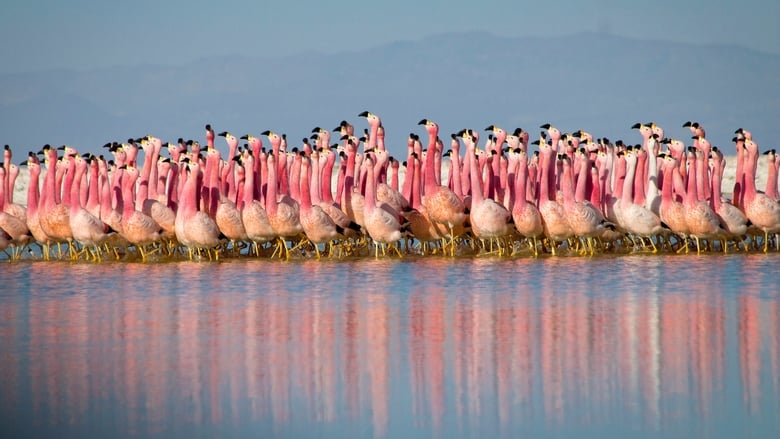
Six episodes. Six habitats: Islands, Mountains, Jungles, Deserts, Grasslands, Cities. David Attenborough narrates, Hans Zimmer scores, and the BBC Natural History Unit does what the BBC Natural History Unit does, which is spend three years and millions of dollars to show you a snow leopard from an angle no human has ever seen one from. It aired in 2016 as the follow-up to the original 2006 series, and it's the first BBC production shot in 4K. That's the whole pitch. Nature, filmed impossibly well, explained by the only voice that matters.
What Works
The craft is genuinely absurd. Drone rigs, stabilized long lenses, and camera traps let the crews get inside animal behavior instead of watching it from a hillside. The Islands episode alone contains a sequence with racer snakes and a marine iguana hatchling that plays like a Michael Mann heist, and it's not editing tricks, that's real. Zimmer's score, co-composed with Jacob Shea and Jasha Klebe, actually earns the swells because the footage keeps up. Attenborough at 90 narrating is a national resource. He knows exactly when to shut up, which is most of the time, and when to land a line that reframes what you're looking at. The Cities episode, where they turn urban wildlife into a genuine subgenre, is the swing you don't expect from a legacy franchise.
The Case Against
If you need story arcs and named characters, this isn't that. Each segment is a vignette. You spend eight minutes with a sloth and then he's gone forever. The music, big as it is, occasionally leans on the animal drama more than the animal drama needs. And there's an argument that once you've seen a wildlife show shot this well, all the ones before it feel like PowerPoint. Which is either a compliment or a warning depending on your library.
Who This Is Actually For
For: anyone who loved the original Planet Earth, Blue Planet II, Our Planet, or any Attenborough joint. Also for people who don't normally watch documentaries but keep a nice TV and want to justify it. Parents looking for something the whole house can sit through without a fight. Stoners. Insomniacs. Anyone recovering from a bad week of prestige TV who needs to remember that images can just be beautiful.
Bounce risk: viewers who need dialogue and plot to stay engaged, or anyone who finds the "life is struggle" tone of nature docs stressful. Some of these sequences are tense on purpose.
The Bottom Line
DROP EVERYTHING because the ceiling and floor are both this high. Every episode contains at least one shot that shouldn't exist — footage the technology couldn't capture ten years earlier and the crews couldn't reach five years earlier. The direction is patient, the editing trusts the viewer, and the writing lets the animals do the acting. It's ambition matched by execution, which is rare on any streamer in any genre. On the Lecture Test: this show has an environmental point of view and never once stops the footage to deliver it. The message lives inside the images. That's how you do it. Watch it in 4K, watch it loud, and put your phone in another room.
Sources: