The Setup
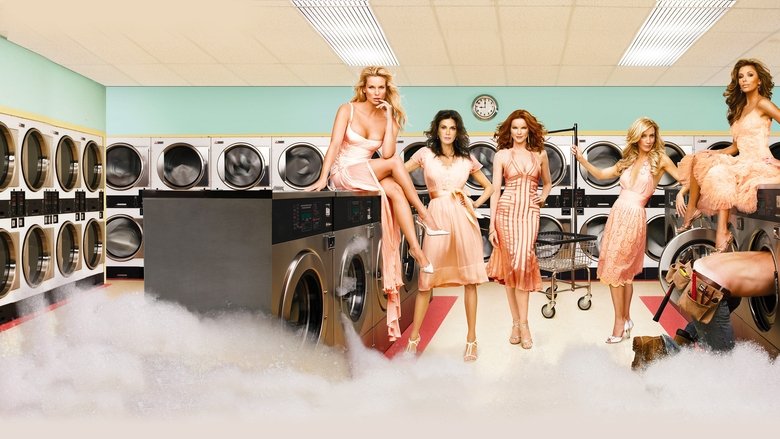
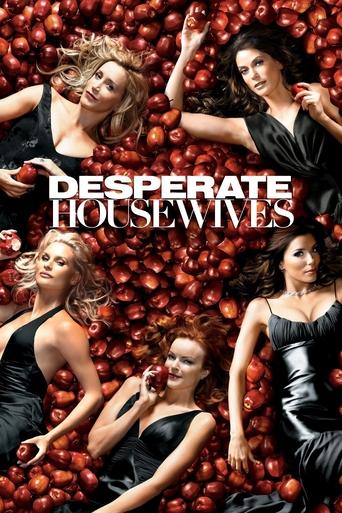
Marc Cherry's 2004 ABC series drops you onto Wisteria Lane, a manicured suburban cul-de-sac in the fictional town of Fairview, narrated from beyond the grave by a housewife whose sudden exit in the pilot's cold open reframes everything her friends thought they knew about their own lives. Those friends are the four leads: Teri Hatcher as the klutzy divorcée Susan, Felicity Huffman as the flattened-by-motherhood Lynette, Marcia Cross as the pathologically perfect Bree, and Eva Longoria as the bored trophy wife Gabrielle. Each pilot introduces a private mess behind a public front. Nicollette Sheridan shows up as the neighborhood's designated menace. It's a nighttime soap with a comic pulse and a mystery box humming underneath.
What It Gets Right
The pilot is a genuinely tight piece of network television. Cherry came out of sitcoms (he wrote on "The Golden Girls"), and it shows in how the dialogue actually lands jokes instead of just gesturing at them. Marcia Cross is the whole reason to watch. Her Bree is a comic invention on par with anything Christopher Guest built, a woman ironing her way through a nervous breakdown while serving osso buco. Felicity Huffman's exhaustion is specific and unglamorous in a way network TV almost never allowed for moms. The first two seasons run their central mysteries as actual mysteries, with clues, red herrings and payoff. Composer Danny Elfman's theme is a small perfect thing.
What Doesn't Work
It's a network show from 2004 doing eight seasons and 180 episodes, which means the machinery eventually eats the writing. The mystery-of-the-year structure that thrilled in season one calcifies fast; by season three the reveals feel airlifted in, and by the back half of the run the show is running on cast chemistry and cliffhanger reflex. Susan's slapstick escalates into cartoon. Storylines get recycled with fresh coats of paint. Some plot swings, especially anything involving the show's few Latino or working-class side characters, aged into wince territory. And the whole thing is aggressively pastel; if you require your prestige TV to look like prestige TV, this will read as a Pottery Barn catalog with a laugh track.
Who It's For, Who'll Bounce
If you loved "Big Little Lies" but wished it were funnier and cheaper, this is your homework. Fans of "Pushing Daisies," early "Grey's Anatomy," or the campier Ryan Murphy stuff will slide right in. It's ideal folding-laundry television, forgiving of half-attention. You'll bounce if you need every show to feel like it matters, if broad comedy makes you itchy, or if you can't get past the network sheen of mid-2000s ABC. Anyone allergic to voiceover narration should turn back immediately, because the dead lady never shuts up.
Final Word
BACKGROUND TV is the honest tier. Seasons one and two are legitimately good television, but the show has 180 episodes and you'll feel every one after season four. The writing isn't ambitious enough to demand your eyes on the screen, and it isn't lazy enough to insult you when they wander. Cherry's instincts are commercial, not preachy; the show has opinions about suburbia, marriage, and motherhood, but it delivers them through Bree's clenched jaw and Lynette's dead stare, not through monologues. It's a well-oiled machine that outran its ideas. Put it on. Fold something.