The Premise
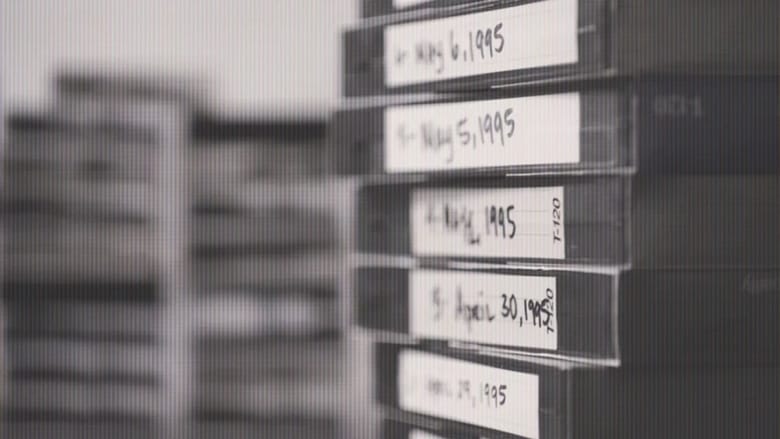
"The Confession Tapes" is a Netflix true-crime docuseries from Kelly Loudenberg that ran two seasons between 2017 and 2019, seven episodes total, each one a self-contained case study of a murder conviction built primarily on a confession the accused later claims was false or coerced. Each installment opens the same way: a killing, a shattered family, a defendant on tape saying the words that put them away. Then it rewinds and asks how the tape got made. You get interrogation footage, family interviews, defense attorneys, and cops who mostly stand by their work.
In Its Favor
The tapes themselves. Loudenberg builds each episode around the actual interrogation recordings, and watching a detective run the Reid Technique on a teenager in real time is more damning than any narrator could ever be. The Burns and Rafay two-parter that opens season one is the strongest thing here, an RCMP Mr. Big sting so operatically weird it plays like a Coen brothers film. The show respects that you can read a room. It doesn't score every reveal with a piano sting. Cinematographer Meena Singh shoots the reenactments and location work with a restraint most true crime abandoned years ago, and the pacing per episode is closer to a solid "Frontline" than a Netflix binge trap.
Where It Falls Down
The format flattens things. By episode three you can predict the beats: grieving family, cop-cam footage, defense lawyer at a conference table, sad piano. The show has a clear thesis about interrogation tactics and it never really tests that thesis against the strongest version of the prosecution's case, so a viewer who wants both sides argued hard will feel handled. A couple of the middle episodes lean on cases where the "false confession" read is genuinely contested, and the show doesn't quite admit that. No connective tissue between episodes either. It's an anthology in the loosest sense, seven separate documentaries in a trench coat.
Who Should Watch
If you liked "The Staircase," "Making a Murderer," or the interrogation-focused stretches of "The Jinx," this slots in cleanly. Anyone who's read about the Reid Technique or Mr. Big stings and wants to see them run on camera will get real value. Bouncers: people who want a serialized mystery with a payoff, people who need their true crime to name a killer by the finale, and anyone allergic to defense-side documentaries where the cops decline to sit for an interview.
The Sentence
WORTH IT because the craft mostly holds and the source material does the heavy lifting. Loudenberg found a specific angle inside a bloated genre and stuck to it. The interrogation footage is the show's argument, and the show trusts it, which is more discipline than most Netflix true crime musters. It has a point of view about coercive policing but it argues that point through the tapes rather than through a voiceover telling you what to think, so it clears the lecture bar. Not great television. Good television. Sharper and more useful than most of what sits next to it on the front page, and that's exactly what WORTH IT is supposed to mean.