The Premise
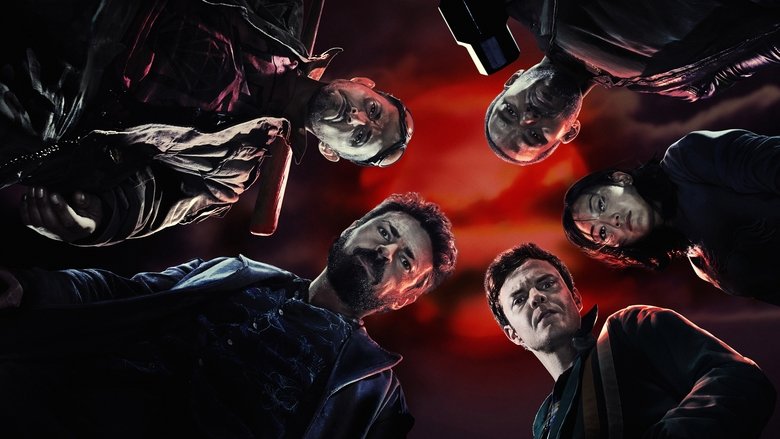
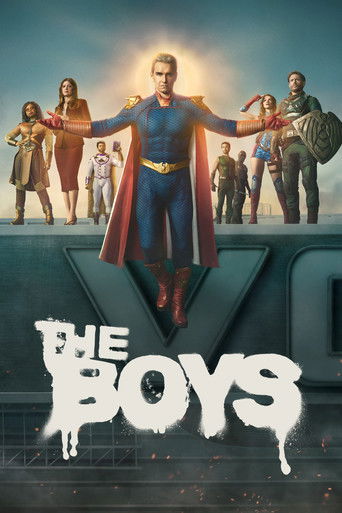
Hughie Campbell is a guy working at a stereo store when a superhero cannonballs through his girlfriend at 600 mph and then holds a press conference. That's the pilot of The Boys, Eric Kripke's adaptation of the Garth Ennis comic for Prime Video. The setup: superheroes exist, but they're managed by a mega-corp called Vought that turns them into a marketing product line, and the most beloved one, Homelander (Antony Starr), is a smiling flag-draped nightmare. Hughie (Jack Quaid) gets recruited by Billy Butcher (Karl Urban), a Cockney bruiser running an unofficial squad that keeps the "supes" in check by any means necessary. Erin Moriarty plays Starlight, a new recruit to Vought's Seven who arrives in New York expecting Justice League and gets HR from hell.
The Argument For
Antony Starr. That's most of the case right there. His Homelander is one of the great TV villain performances of the last decade, a man playing a man playing a god, and every micro-twitch of his jaw is doing work. Karl Urban commits so hard to Butcher's dirtbag charisma that he makes a character built out of slurs and grief somehow watchable. Jack Quaid is the audience surrogate who never once feels like a plot device. The action is genuinely inventive; the show figures out new ways to weaponize powers you thought Marvel had exhausted, and its practical gore effects are stupidly, gleefully well-done. Kripke's writers room understands escalation. Each season raises the stakes without turning into a cosmic laser fight.
Where It Falls Down
It's ugly on purpose, and sometimes the ugliness is the whole joke. Season three in particular leans on shock so hard the shock stops registering, and a couple of storylines exist mostly so the marketing team has a viral clip. The satire of celebrity culture and corporate branding is sharp in seasons one and two, then gets broader and more topical as the show goes on, which some viewers will find bracing and others will find heavy-handed. And the ending divided its own fandom hard. Reactions to the series finale in May ranged from "earned closure" to "what was that." Go in knowing the last hour is contested.
Who This Is Actually For
If you liked Watchmen (the comic, the HBO show, either), Preacher, Barry, or the meaner stretches of Succession, you're the audience. If Deadpool's tone is your ceiling for irreverence, this show clears that ceiling in ten minutes and keeps climbing. Bouncers: anyone squeamish about on-screen violence involving bodies coming apart, anyone who wants their superheroes to inspire, and anyone allergic to satire that names names.
Final Word
DROP EVERYTHING because for four seasons and change, The Boys did the hardest thing on television. It kept a premise this loud from calcifying into a bit. Starr and Urban are giving performance-of-a-career work. Kripke's crew found a way to make blockbuster spectacle feel dangerous again on a streamer that had no business greenlighting it. The show's politics are loud, sure, but they're delivered through character. Homelander's arc is a psychological study, not a lecture; Starlight's disillusionment plays as drama, not a PSA. When the writing slips into speechifying, it's usually a character we're supposed to find annoying doing the speechifying. That's craft. The finale wobbles. The run doesn't. Watch it.