The Setup
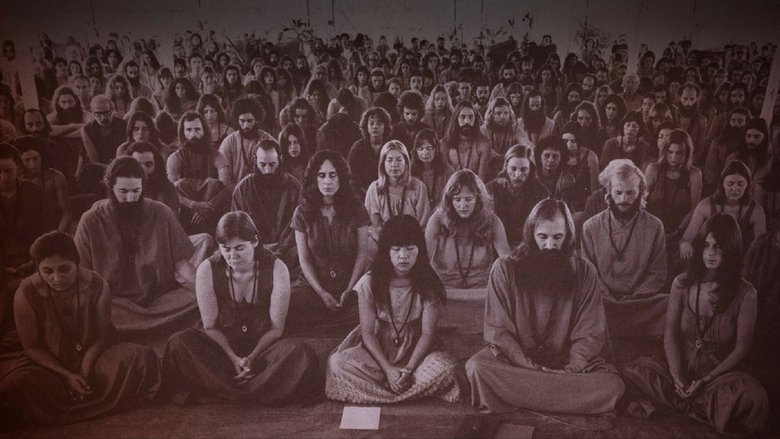
"Wild Wild Country" is a six-part Netflix documentary from 2018, directed by Chapman and Maclain Way (the brothers behind "Battered Bastards of Baseball"), about what happened when the followers of Indian guru Bhagwan Shree Rajneesh bought a 64,000-acre ranch in rural Oregon in the early '80s and tried to build their own city. The first episodes set up the collision: red-robed sannyasins in Rolls-Royces on one side, retirees in the tiny town of Antelope on the other, and in the middle, Ma Anand Sheela, the guru's personal secretary and press attack dog. That's the setup. What it becomes is the show.
In Its Favor
The Ways got the interviews nobody else got. Sheela sits for the camera for days and is, as a subject, unreal. Charming, funny, unrepentant, quotable in every sentence. Philip Toelkes, the movement's lawyer, is her equal on the other side of the frame. The archival is the second miracle: local Oregon news crews covered this thing obsessively for years, so the filmmakers have tape of press conferences, town halls, and confrontations that a scripted show couldn't fake in a hundred million dollars. The editing plays it straight, cutting between the ranchers of Antelope and the sannyasins of Rajneeshpuram and letting both sides bury themselves and defend themselves in their own words. No narrator. No talking-head historian telling you what to think. It trusts the footage.
The Argument Against
Six hours is a lot, and episode three sags a little while the show reloads for what's coming. Some critics have argued the Ways are too generous to Sheela, giving her the last word too often and skipping past the harm done to real people inside the commune. That's a fair hit. If you want a rigorous accounting of the movement's victims, this isn't the definitive text. It's a character piece dressed as a news story. And if you already know the broad strokes, some of the "wait, WHAT" energy is muted, though the specifics still land.
Who Should Watch
If you liked "The Jinx," "Tiger King" before it became a meme, or "The Vow," you're in. Anyone who reads long-form magazine features about strange corners of America, in. If your docuseries tolerance caps at three episodes and you need a Netflix true-crime murder-of-the-week structure, you'll get restless. People who want their documentaries to hand them a verdict up front will find the neutrality maddening. That's the whole point, but it is a taste.
Final Word
DROP EVERYTHING because it's one of the few streaming docs that treats its audience like adults. The Ways don't editorialize, they don't score the archival with foreboding cello, and they don't cast anyone as pure villain or pure victim. The craft is in the restraint. When a story this deranged shows up on your doorstep, the discipline is knowing to shut up and roll. Sheela alone is worth the six hours. The Antelope retirees explaining what it was like to have this land next to them are worth another six. There's no lecture here, no thesis being smuggled in. It's a filmmaking exercise in "the truth is stranger than anything we could write, so we won't write anything." That's rare, and it's why this one keeps getting recommended eight years after it dropped.
Sources: