What It Is
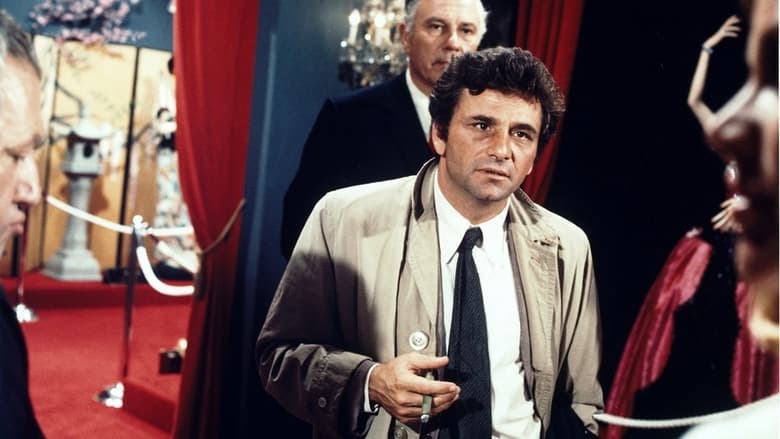
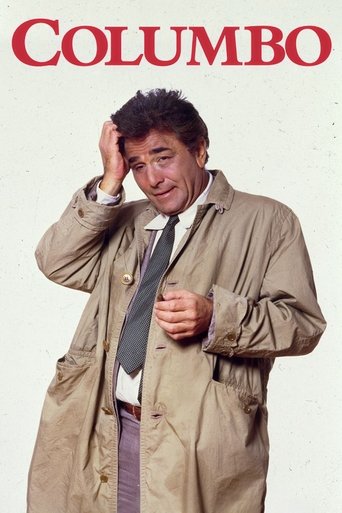
"Columbo" is the Levinson-and-Link inverted mystery that ran on NBC's Mystery Movie wheel from 1971, then again on ABC through the '90s and into 2003. Peter Falk plays Lieutenant Columbo, an LAPD homicide detective who shows up in a wrecked raincoat, drives a Peugeot held together by rust, mentions his wife constantly, and never seems to be paying attention. Each episode opens by showing you the killer doing the killing. Then Columbo walks in. The whole show is watching him circle a rich person who thinks they've gotten away with it.
The Case For
Falk. That's the whole pitch and it's enough. He built a character so specific it became a genre — the shambling apology, the "just one more thing," the cigar he keeps forgetting is lit. Levinson and Link's inverted structure is the smartest thing anyone did with the detective show in the 70s: no whodunit tension, all cat-and-mouse. You watch a smug millionaire realize, in slow motion, that the guy asking about their houseplants is going to bury them. The guest-villain casting is stacked — Jack Cassidy, Robert Culp, Patrick McGoohan, Ruth Gordon, Donald Pleasence — and they're written as full people, not victims. Steven Spielberg directed one of the early ones. The pacing is old-fashioned in the good way: 90-minute stories that breathe, scenes that let a look sit on Falk's face for six seconds without cutting.
What Doesn't Work
It's slow. Nothing modern about the rhythm. If you need a body count or a serialized arc, this is a wall. Every episode is structurally identical — you know he'll get them, you know roughly how, the only question is which detail cracks the alibi. The 70s production style is very 70s: soft focus, jazzy stings, a lot of beige. The ABC-era revivals are patchier than the original run and some of them drag. And you have to be okay with a show that has one trick. A great trick, repeated 69 times.
Who Should Watch
If you loved "Poker Face," you already know — Rian Johnson stole the whole engine from this. Fans of "Only Murders in the Building," classic "Murder, She Wrote," or anyone who watches "Knives Out" for the dinner scenes more than the reveal will settle right in. Anyone raised on "True Detective" or prestige-serialized crime will find it toothless by episode two. It's cozy. It's a puzzle box you put on while you fold laundry, and then look up because Falk did something great.
The Verdict
WORTH IT because the craft holds up 50 years later. Falk's performance is one of the most durable character builds in television, the inverted structure still feels fresh next to modern whodunits that telegraph everything anyway, and the writing respects the villains enough to make the takedowns actually mean something. There's no lecture here — it's a show about a working-class cop humiliating rich people who thought their money made them clever, and it lets that theme live inside the plot instead of announcing it. Not tribunal-tier ("The Wire" territory), not background TV either. It's the platonic ideal of a good rewatch. Peacock has the run, Prime has most of it, Tubi mops up the rest.