What It Is
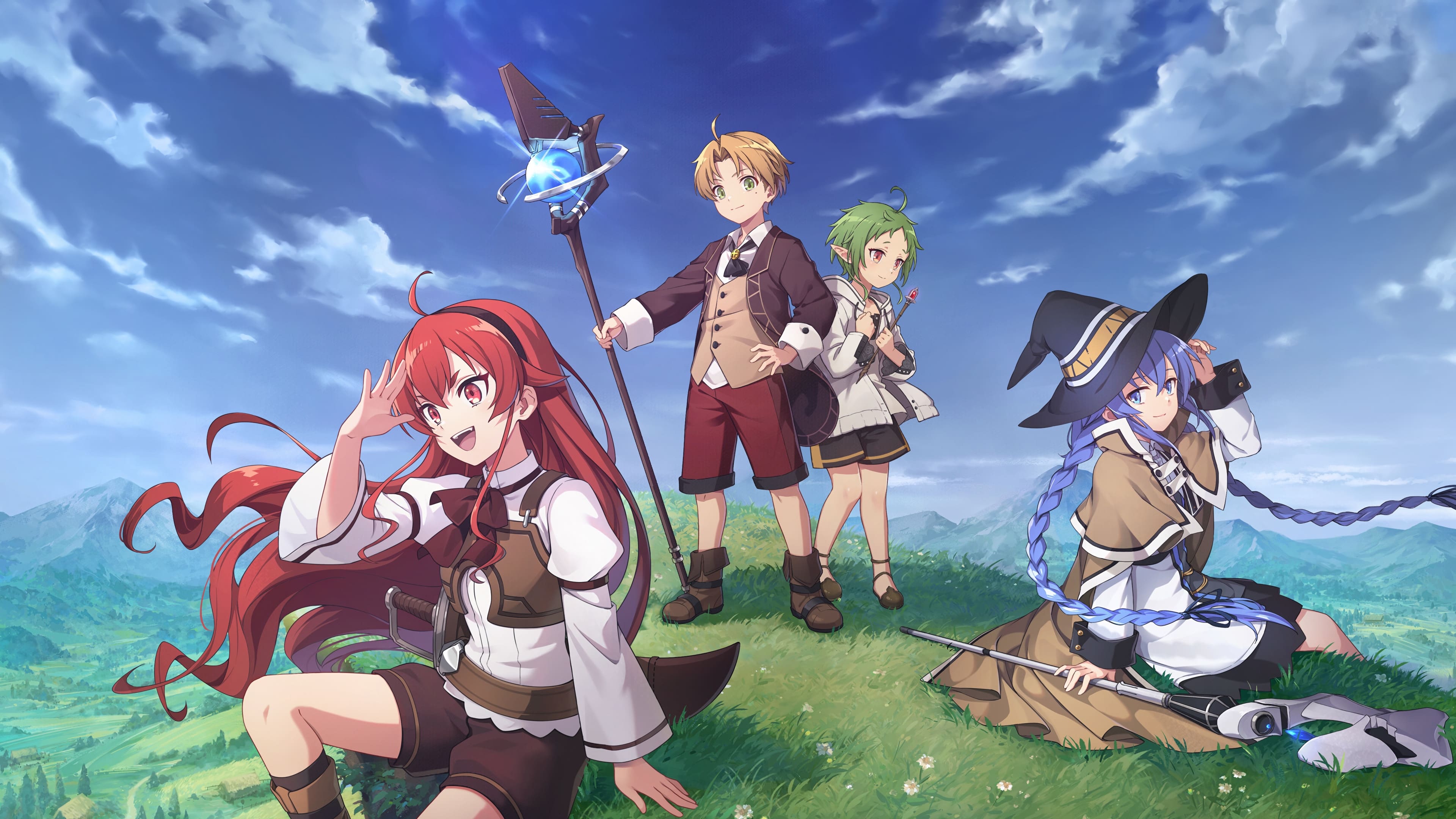
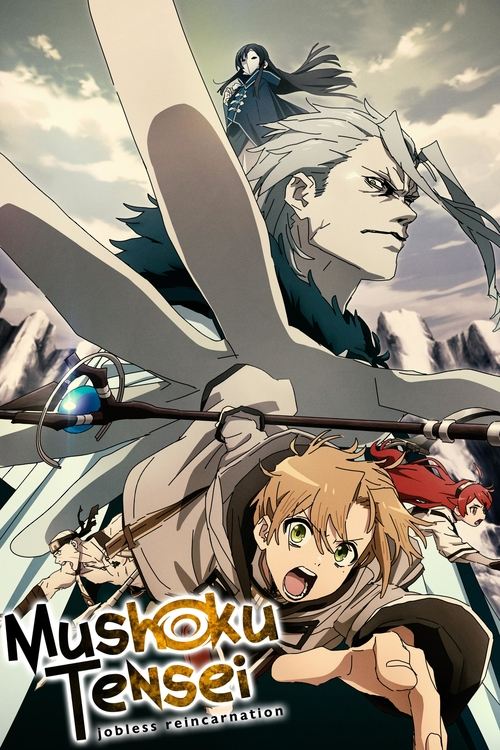
Studio Bind's isekai adaptation returns for its third season, again directed by Hiroki Hirano off Rifujin na Magonote's light novels. A middle-aged shut-in reborn into a fantasy world as Rudeus Greyrat, now a teenager, is picking up the pieces after the calamity that ended Season 2's arc. The opening episodes reset him back in a family orbit and start pulling in Eris's side of the story — the rival-turned-training-partner beats, the swordwork, the slow reassembly of a life. Yuiko Tatsumi and Tomokazu Sugita return as Rudy's child and inner voices. Toho and Crunchyroll are carrying the simulcast.
What It Gets Right
The animation is the argument. Bind still draws swords like they weigh something — Episodes 1 and 2 stage the Eris/Nina rivalry as physical labor, sweat and technique and small posture corrections, not sparkle lines. Hirano compresses what could've been a padded six-episode training block into two clean ones and it lands. The magic system keeps its lived-in weight; spells cost effort and the frame respects that. Sugita's interior monologue does a lot of quiet work when the show is trying to be tender instead of horny. And Yuki Kajiura's scoring, still one of the best in the medium, sells the emotional beats the writing sometimes fumbles.
The Argument Against
Rudy. Still Rudy. The show's most-flagged issue — a protagonist who leers, panics, and occasionally does things the narrative treats as growth but plenty of viewers read as gross — hasn't been surgically removed for Season 3. Episode 3 also whiffs a real character opportunity by handing him a magical glove that fixes his physical setback instantly, skipping the harder version of that story. Pacing after the Eris material slows noticeably. And if you bounced on the ick in Season 1, nothing here is a course correction; it's the same author, the same tone, the same jokes at the same target.
Who It's For, Who'll Bounce
If you liked Seasons 1 and 2, this is more of that, at the same craft level. Fans of Vinland Saga's willingness to sit with a broken lead, or Frieren's patience with slow-cooked character work, will find things to like. Anyone who quit the show over Rudy's earlier behavior should keep quitting. Casual isekai viewers looking for Sword Art breeziness will find this too heavy, too slow, and too committed to its own weirdness.
The Bottom Line
WORTH IT because the craft keeps outrunning the material. Bind is animating this like it's prestige work, Kajiura is scoring it like a film, and the adaptation choices in the opening stretch — condensing the Eris arc, resetting emotional stakes without a full recap — show real editorial confidence. That's the bar for WORTH IT: a show doing something specific, well, on purpose. It doesn't clear MUST WATCH because the writing still has its worst instinct intact and the glove shortcut in Episode 3 is a real miss. The show isn't preaching anything; it's just carrying an unlikeable protagonist through a genuinely thoughtful story about becoming less unlikeable, and asking you to sit with the discomfort. That's a story choice, not a lecture. If you can sit with it, the animation alone is worth the seat.
Sources: