Where This Starts
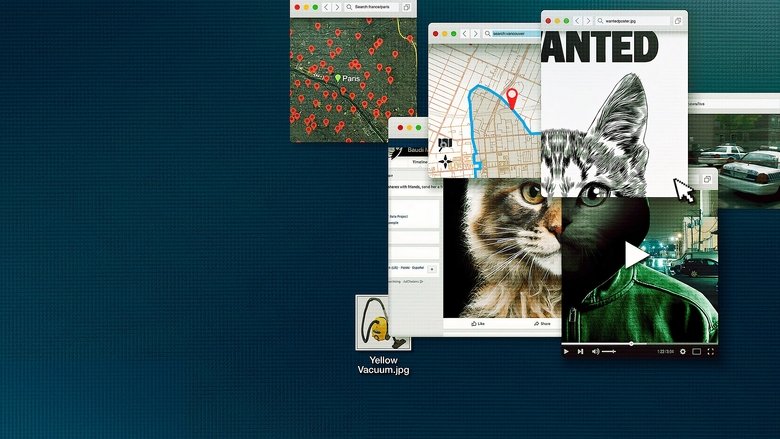
"Don't F**k with Cats: Hunting an Internet Killer" is a three-part 2019 Netflix documentary directed by Mark Lewis, the same filmmaker behind "The Barkley Marathons." It follows a Facebook group of amateur internet sleuths — led by Las Vegas data analyst Deanna Thompson and Los Angeles teacher John Green — who spotted a disturbing anonymous video posted online in 2010 and decided, with zero credentials and a lot of screen time, to find whoever made it. The trail leads them toward a Canadian named Luka Magnotta. The first episode establishes the group, the video that set them off, and the rules of the chase. Everything after that is what the group didn't sign up for.
What Works
Mark Lewis directs it like a thriller. The pacing is tight, the interviews are edited with real rhythm, and Thompson and Green are unusually good on-camera subjects — self-aware, funny in places, wrecked in others. It's a rare true crime doc where the investigators are also the protagonists, and they're honest about what that did to them. The archival material (forum threads, chat logs, uploaded clips rendered as evidence) is used with restraint instead of glued-on menace. And the show keeps asking a question most of the genre refuses to touch: did the audience help create the performer? That thread runs from episode one and never gets dropped for a cheap reveal.
Where It Falls Down
It's an animal-cruelty documentary. Even with the actual footage kept off-screen, the descriptions and freeze-frames are enough to gut anyone with a pet. The middle stretch relies heavily on people staring at monitors, which Lewis dresses up nicely but can't fully solve. And the final act pulls a stylistic move that a chunk of viewers found gimmicky, breaking the fourth wall in a way that either lands as pointed or lands as cheap depending on your tolerance. Fair criticism either way.
Who It's For, Who'll Bounce
If you liked "The Jinx," "Tiger King," or "Catfish" at its most paranoid, this is your lane. Anyone who's ever fallen into a Reddit rabbit hole about an unsolved case will recognize the pull. Bounce risk is real, though. If you cannot handle the mere concept of harm to animals, don't start it. If you're tired of true crime that turns real victims into content, the last twenty minutes have an argument for you, but you'll have to sit through the genre it's critiquing to hear it. Squeamish viewers quit halfway through episode one. Everyone else finishes it in a night.
The Verdict
WORTH IT because the craft is doing something the format usually refuses to do. Lewis isn't just recapping a case, he's implicating the mechanism — the platforms, the algorithms, the sleuths, and yes, the person watching a Netflix documentary about a person who wanted to be watched. That's a hard needle to thread without preaching, and the show mostly threads it. The theme lives inside the scenes instead of being narrated at you. Thompson and Green carry the guilt on their own faces; nobody has to explain it. Three episodes is the right length. Any longer and the argument would collapse into a lecture; any shorter and you wouldn't feel the weight of what those two spent 18 months doing. It's not a masterpiece and it doesn't pretend to be. It's a well-made piece of true crime that knows what true crime is, which is more than most of the shelf can say.