The Pitch
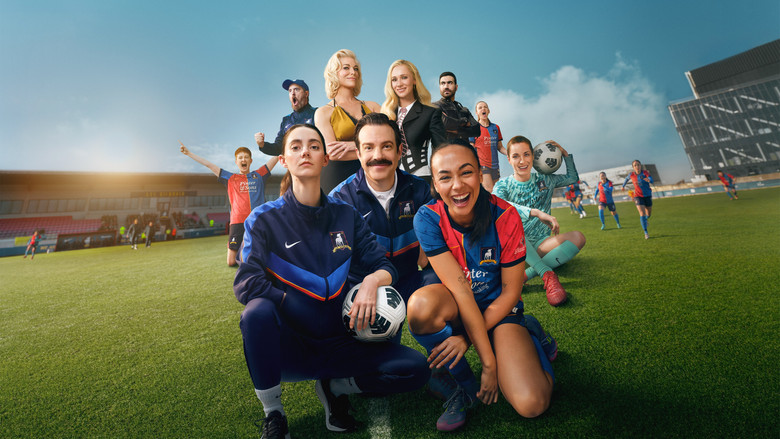
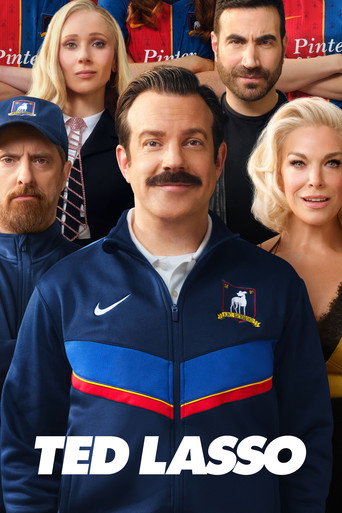
A relentlessly optimistic American college football coach gets hired to run an English Premier League soccer club by an owner whose motives aren't quite what they seem. He doesn't know the rules. He doesn't know the culture. He brings biscuits. That's the pilot of Ted Lasso, the Apple TV+ comedy created by Bill Lawrence, Jason Sudeikis, Brendan Hunt, and Joe Kelly, spun out of a 2013 NBC Sports promo. Sudeikis plays Ted. Hannah Waddingham plays the owner, Rebecca. Juno Temple, Brett Goldstein, Phil Dunster, Nick Mohammed, and Jeremy Swift round out the locker room and the boardroom.
What Works
Season 1 is a small miracle of tone management. It looks like a fish-out-of-water sitcom and plays like a character piece. Sudeikis underacts the part on purpose, so the kindness reads as a discipline rather than a bit. Waddingham is doing genuine dramatic work inside a comedy — her Rebecca has a coiled-up sadness the show refuses to explain away with jokes. Brett Goldstein's Roy Kent is the best written grumpy veteran on TV in years, all vowels and shoulders. Bill Lawrence brings the Scrubs-era craft of sneaking real feeling into a workplace comedy, and the writers' room understands the show's own thesis: you can be earnest without being naive. The soccer stuff is shot competently. The needle drops don't try too hard. The 30-minute episodes actually respect 30 minutes.
The Case Against
Even in Season 1, the sweetness gets thick. If you find Ted's homespun aphorisms grating in the trailer, you'll find them grating in the show. Some subplots read like sitcom leftovers — the fashion magazine gossip beat, the influencer boyfriend. The soccer itself is more vibes than tactics; anyone who actually watches the Premier League will notice the matches don't quite make football sense. And then there's the back half of the run. Season 2 sands off the show's edges, hands large chunks of screen time to a therapy arc that talks its themes out loud, and expands episode lengths past the point where the writing can hold them. Season 3 loses the plot entirely. The prior blurb's advice — stop before it gets weird — is the honest note.
Who'll Love It, Who'll Bail
If you liked Parks and Recreation's belief that decent people are interesting, or Friday Night Lights when it was about a coach more than a season, Ted Lasso Season 1 is a clean hit. Same for anyone who wants a comedy they can watch with a parent. You'll bounce if your baseline for prestige TV is Succession or The Bear and you need friction in every scene. You'll bounce harder if wholesome makes you itch. Sports-tactics obsessives should watch it as a workplace show, not a football one.
Final Word
WORTH IT, and specifically Season 1 worth it. The craft argument is straightforward: a tight ten-episode arc, a lead performance calibrated to the millimeter, a supporting cast doing real work, and a writers' room that trusts drama to carry the theme instead of speeches. When Ted Lasso is good, its optimism is a character trait under pressure, not a message. When it goes bad later, it's because the show starts trusting monologues over scenes and stretches half-hours into fifty minutes of feelings talk. That's the Lecture Test failing on craft, not politics. Watch the first season. Get out clean.