What It Is
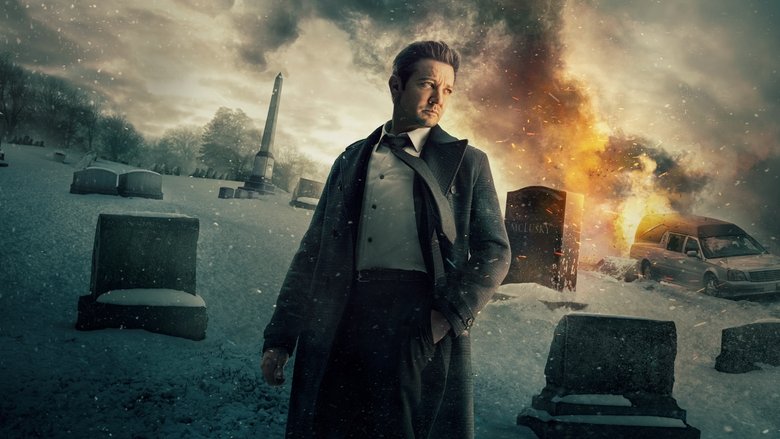
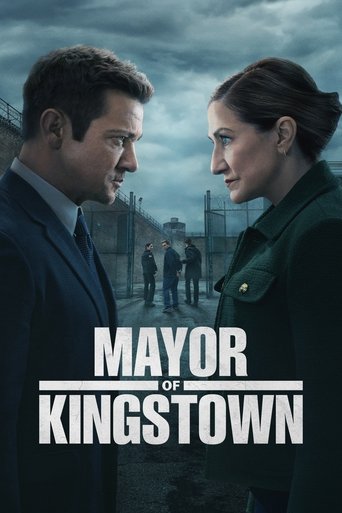
Taylor Sheridan and Hugh Dillon's Paramount+ series drops Jeremy Renner into Kingstown, Michigan — a town whose only industry is incarceration. Seven prisons ring the place. Everyone works for one or has a cousin locked in one. Renner plays Mike McLusky, the family "fixer" who brokers deals between guards, gangs, cops, cartels, and inmates' families. Dianne Wiest plays his mother, a prison academic with zero patience for any of them. Kyle Chandler and Hugh Dillon round out the early ensemble. The pilot sets up the racket, the family business, and the town's basic rot; from there it's a weekly circuit of Mike walking into rooms he shouldn't walk into and talking his way back out.
The Argument For
Renner is genuinely good here in a way that surprised people. Bruised, monotone, permanently exhausted — he plays Mike like a guy who ran out of options a decade ago and is still showing up anyway. Dianne Wiest is the real weapon; every scene she's in tightens up. Sheridan writes procedural mechanics better than almost anyone on TV: how a favor gets called in, who owes what to whom, why a small decision detonates six scenes later. When the show sits inside the prison walls and lets the guards and inmates talk, it hits a documentary bleakness you don't get elsewhere. Season 4 pulled the show's highest reviews to date, which tracks — the machinery works better once you know the players.
The Argument Against
Sheridan's tics are all present. Men in trucks explaining the world to each other. Voiceover monologues about How Things Really Work. Women who exist mainly to worry about the men. The pacing swings from grim tableau to sudden violence and back with not much in between, and if the mood doesn't grab you by episode two, it won't. The prison politics can blur — a lot of factions, a lot of similarly-shot meetings in similarly-lit rooms. It's also relentlessly dour. No jokes. No air. Two hours of this and you'll want a sitcom chaser.
Who It's For, Who'll Bounce
If you liked Sons of Anarchy, Ozark, or the Sheridan-verse in general (Yellowstone, Sicario), you're the audience. Fans of The Shield's moral-gray-zone thing will click with it. Anyone who wants forward momentum, banter, or a lead who smiles will tap out fast. Not a bingeing show. It's a "put it on Tuesday night, half-watch it, catch the good scenes" show — which is exactly what BACKGROUND TV means.
The Ruling
BACKGROUND TV is the honest read. The performances and the world are strong enough that dismissing it would be wrong; the writing is repetitive and mood-locked enough that calling it appointment viewing would be a lie. Sheridan has real themes here — the American prison economy, cyclical violence, the cost of being the guy who "handles it" — but he keeps letting his characters deliver them at the camera instead of dramatizing them. When Mike growls a thesis statement out a truck window, the show is lecturing. When the guards and inmates just talk, it's earning it. Too much of the former, enough of the latter to keep it on. Put it on while you fold laundry. The prison rot really does land when it lands.