In this piece · 9 sections+
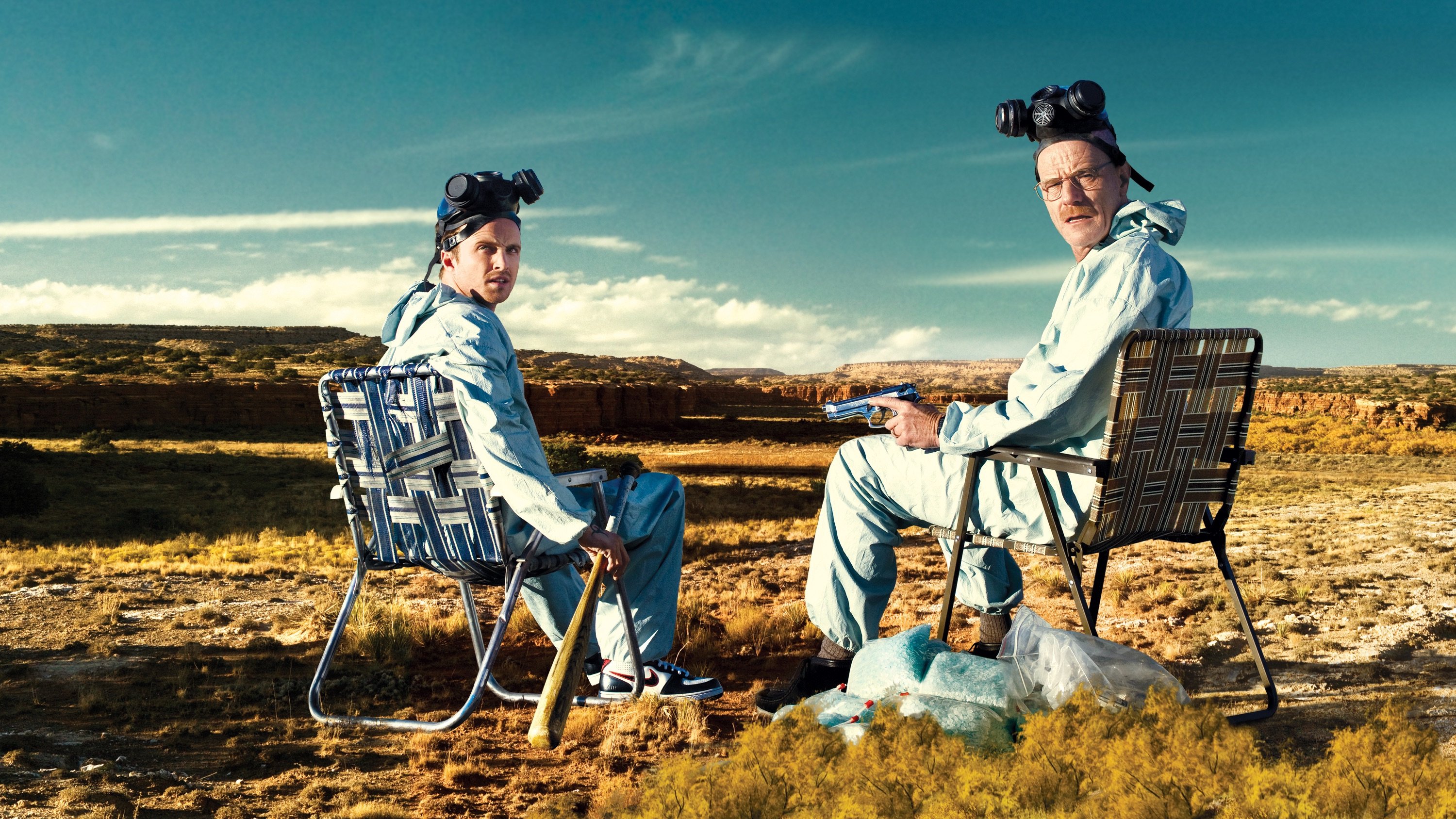
Yes. Breaking Bad is worth watching. It's one of maybe five shows from the prestige-TV era that earns every minute of its 62-episode runtime and actually sticks the landing instead of belly-flopping in the final season the way every other Important Show eventually does.
Maybe you've been putting it off because you assume it's overrated, or because everyone you knew in 2013 wouldn't shut up about it, or because you watched the pilot once and Walter White seemed like a sad man in tighty-whities. Fair. But it's the rare cultural monolith that holds up. The writing is tight, the performances are absurd in the best way, and the ending is one of the few in television history that doesn't make you wish you'd quit two seasons earlier.
The quick verdict
Yes, watch it. If you like crime dramas, character studies, or shows where a regular guy makes the worst possible decision in every single episode and somehow gets away with it for years, this is the ceiling of the genre. If you need fast laughs, a likeable protagonist, or a show you can have on in the background while you scroll your phone, skip it. Breaking Bad demands you watch it. It will not tolerate being a second screen.
What Breaking Bad is actually about
Walter White is a high school chemistry teacher in Albuquerque. He's 50, he's broke, he has a pregnant wife and a son with cerebral palsy, and he just got diagnosed with stage III lung cancer and given two years to live. He decides, because the universe finally handed him an excuse, to use his chemistry knowledge to cook methamphetamine and leave his family a pile of money before he dies. He teams up with a former student, Jesse Pinkman, who is bad at almost everything except being the heart of the show. They cook in an RV in the desert. Things escalate.
The tone is patient. It's a slow-build crime drama that pretends to be a dark comedy in season one and slowly reveals it was a tragedy the whole time. There's almost no fat. Vince Gilligan, the creator, has said his pitch was "Mr. Chips becomes Scarface," and that's not marketing. That's the actual structural arc, executed across five seasons with the patience of a man who knows exactly where every chess piece ends up. You will laugh more than you expect. You will also, at some point around season four, realize you've been holding your breath for about forty minutes.
The math on time
Five seasons. 62 episodes. Most run about 47 minutes, the finale and a couple of others push an hour. That's roughly 49 hours of television, or about two solid weeks if you watch a couple episodes a night. Less if you have no job and a forgiving partner.
For a prestige drama, that's actually lean. The Wire is 60 hours. Mad Men is 75. Game of Thrones is 70 hours and the last 15 are a war crime. Breaking Bad gets in, does the work, and gets out before it starts repeating itself. There's a 13-episode dip in season two where one storyline drags, and the show's pace in season one is deliberately slow, but every episode pays off, sometimes three seasons later. Nothing is filler. You're not signing up for Lost.
What it gets right
The plotting. Most TV writers' rooms are throwing darts at a corkboard hoping something connects by the finale. Gilligan's room broke this show like a math problem. Setups in season one detonate in season five. Background details (a stuffed animal, a poisoned drink, a phrase someone says in passing) come back as the engine of an entire later episode. It's the most rewatchable show on television specifically because the second time through you see how much groundwork was being laid while you were distracted by the RV.
The performances. Bryan Cranston was, before this, the dad on Malcolm in the Middle. Aaron Paul was nobody. Anna Gunn, Dean Norris, Bob Odenkirk, Giancarlo Esposito — half this cast was character-actor furniture before Breaking Bad and is now permanently in the canon. Esposito's Gus Fring in particular is one of the great TV villains, a man who runs a meth empire out of a fast-food chicken franchise and somehow makes you believe both jobs are equally important to him.
The craft. The cinematography treats the New Mexico desert like a third lead. Cold opens that don't tell you what year it is or whose hand that is in the dirt. Long, quiet scenes where two men sit across a table and the entire balance of power shifts without anyone raising their voice. Time-lapses of cooking meth set to Mexican folk songs. It's a show that knows it's a show, in a confident way, not in an obnoxious one.
What doesn't work
It is slow in places. Season one is short (only seven episodes, thanks to the 2008 writers' strike) and ends on a stronger note than it begins. Season two has a B-plot involving Skyler's boss that a lot of people, fairly, want to skip. Season three has the famous "fly" episode, which is either a brilliant character piece or 47 minutes of two guys trying to swat a fly depending on who you ask. I think it's the former. Many disagree. They're allowed.
The show is also not interested in being kind to its female characters in the early seasons. Skyler, Walter's wife, became one of the most hated characters on television at the time of airing, largely because a lot of the audience was actively rooting for Walter to be a monster and resented anyone trying to stop him. The writing on Skyler is better than the reception suggested, but the show takes a while to make space for her. Marie, the sister-in-law, exists mostly to steal things and be irritating until season five, when she finally gets to do something.
It's also bleak. Genuinely. The further in you get, the harder it becomes to watch, and there's a stretch in season four and the back half of season five where the show stops being fun and becomes an endurance event. That's the point. That's the deal Gilligan made with you in the pilot. But go in knowing. This is not comfort TV. Do not put it on after a hard day at work expecting to be soothed. You will not be soothed.
Who should watch it
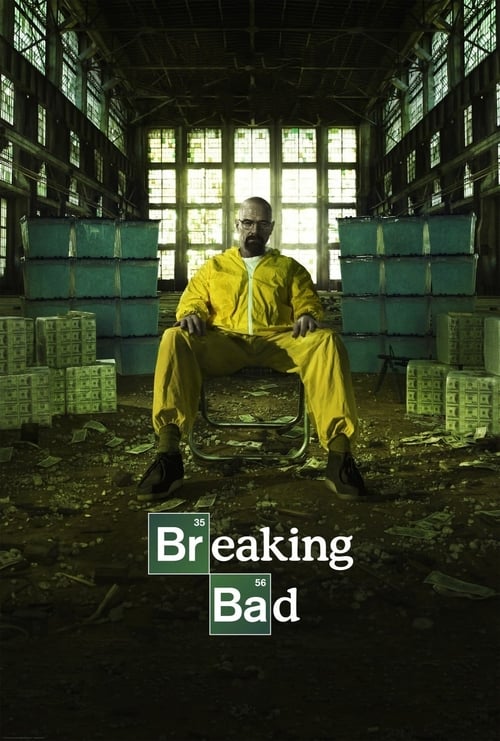
If you liked The Sopranos, Better Call Saul, Ozark, Fargo, or No Country for Old Men, yes, immediately, this is the show for you. It sits right in that pocket of patient American crime storytelling where the dread builds for an hour and then somebody does something you can't unsee.
If you bounced off Mad Men because it was too slow, you might still like Breaking Bad. It's slower than people remember but it has more plot per episode than Mad Men has per season. If you bounced off The Wire because you needed more interior emotion and less procedural, Breaking Bad is built for you.
If you need a likeable protagonist, skip it. Walter White is not a hero. He is occasionally framed as one and that's part of the trick. If you watch TV mostly for comfort, skip it. If you are squeamish about violence, it's not constant, but when it shows up, it lands hard, and there are two or three images in the run of the show you will not forget.
Where to watch
In the U.S., Breaking Bad streams on Netflix. It's been there for years and shows no sign of leaving. Netflix essentially built the binge-watching habit on this show in 2013, and they know it. Outside the U.S., availability varies. It's been on Netflix in most regions, and is also available to rent or buy on Apple TV, Amazon, and YouTube if your local Netflix doesn't have it.
If you want to own it, and honestly, for a show this rewatchable, that's not crazy, the complete series on Blu-ray and DVD is on Amazon. The packaging is genuinely nice. Vince Gilligan and crew clearly cared about the physical release in a way most modern shows don't bother with anymore.
FAQ
Is Breaking Bad overrated?
No. It's one of the rare shows where the hype matches the product. Plenty of prestige dramas from that era have aged into "why did we all watch this" territory. Breaking Bad has not. The plotting is too tight, the performances too good, and the ending too earned. If anything it's slightly underrated now because the discourse has moved on, but the show itself is exactly as good as everyone said it was.
Does it get better after season one?
Yes, significantly. Season one is short (seven episodes) and is mostly setup. The show really finds its voice in season two and goes into the stratosphere in seasons three through five. If you watched the pilot years ago and shrugged, try again and commit through episode five or six of season two. That's where the engine turns over.
Is it too dark or depressing to watch?
It gets dark, especially in the back half. The first two seasons are tense but laced with dark comedy and you can watch them pretty comfortably. From season four onward, it stops being fun in the traditional sense and starts being a genuine moral horror story. It is never gratuitous, but it is heavy. Pace yourself. Don't try to power through five seasons in a week or you'll feel like a husk.
Should I watch Better Call Saul before or after?
After. Better Call Saul is the prequel/spinoff and it's nearly as good as Breaking Bad, but it relies on you knowing where these characters end up. Watch Breaking Bad first, then El Camino (the movie that follows Jesse after the finale), then Better Call Saul. That is the optimal order and anyone who tells you different is being a contrarian.
What to do tonight: Watch the pilot. Then watch episode two. If by the end of episode two you're not at least curious, fine, walk away, this isn't the show for you. But almost nobody walks away. Give it until the end of season one and you'll be in for the whole 62.
🏆 DROP EVERYTHING
Related guides
- Shows Like The Walking Dead: Dead City: 10 Picks Worth Your Weekend
- Where to Watch Severance (2026)
- Is The Bear Worth Watching? A Real Answer (Plus an Episode-by-Episode Survival Guide)
- Is The Walking Dead: Daryl Dixon Worth Watching? An Honest Take
- The Best Shows to Watch When Sick: A Couch-Bound Survival Guide
Some links above are affiliate links (we're an Amazon Associate) — if you buy through them we may earn a commission. It never changes a verdict.