
What It Is
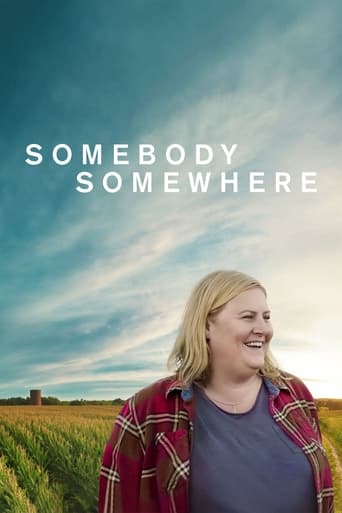
Sam Miller (Bridget Everett) is a fortysomething woman who moved back to Manhattan, Kansas, to help her sister through cancer, then stayed. When we meet her, the sister is gone, the grief is fresh, and Sam is sleepwalking through a job grading standardized tests and drinking wine out of a coffee mug. Then she runs into Joel (Jeff Hiller), a former high school choir classmate she barely remembers, who drags her to a secret after-hours cabaret in a church basement where the local queer misfits sing show tunes and eat casserole. That's the setup. Created by Hannah Bos and Paul Thureen, produced with Carolyn Strauss, three seasons on HBO from 2022 to 2024.
What It Gets Right
It's a friendship show, and the friendship is the real thing. Everett and Hiller have chemistry that reads less like acting than like two people who genuinely make each other laugh, and Hiller in particular is doing career-best work as Joel, a devout, chatty, sincerely joyful gay man in a town that mostly doesn't know what to do with him. Everett, a cabaret performer by trade, sings a few times per season, and when she does the show quietly stops the clock. The writing trusts silence and long takes. Murray Hill as Fred Rococo, the ag professor emcee, is a full character, not a joke. Nothing is heightened. The jokes come out of specific Midwestern rhythms — awkward church potlucks, weird brothers-in-law, the way a hardware store conversation can hold real emotion.
The Argument Against
Very little happens. If you need plot engines, cliffhangers, or an ongoing mystery, this will feel like watching your aunt fold laundry. Episodes run 30 minutes and often coast on vibe. The stakes are usually somebody's feelings, not a job or a life. Season one takes a few episodes to settle in — the pilot is the weakest thing about it. And the show's determined smallness means the emotional payoffs are cumulative; you don't get a big moment in episode two that makes you text a friend.
Who'll Love It, Who'll Bail
For: people who loved Enlightened, Rectify, Reservation Dogs, or the quieter stretches of Better Things. Anyone who's ever moved home and felt strange about it. Anyone who cries at a good harmony.
Bouncing: people who want prestige TV to feel like an event, people who confuse plot for story, anyone who found Ted Lasso saccharine (this is less sugary but operates in the same emotional register).
The Verdict
WORTH IT is the correct sentencing because the craft is legitimately excellent and the show knows exactly what it is. Bos and Thureen write scenes that end two beats before you expect, which is a hard thing to do consistently over 21 episodes. The direction is unfussy and shot on real Illinois locations that pass for Kansas without postcard shots. Hiller got an Emmy nomination for a reason.
On the lecture test: this is a show with a lot of queer characters in rural America, and it could easily have turned into a pamphlet. It doesn't. Joel's faith and his sexuality aren't debate topics; they're just facts about him that the writers dramatize instead of defend. Nobody delivers a monologue about tolerance. The show earns its warmth by letting characters be specific and occasionally annoying, which is what actual warmth requires. It's not a masterpiece and it's not trying to be. It's a small, funny, well-made thing about middle-aged people finding their people, and there's not a lot of that on television. Worth the four hours a season asks of you.