The Premise
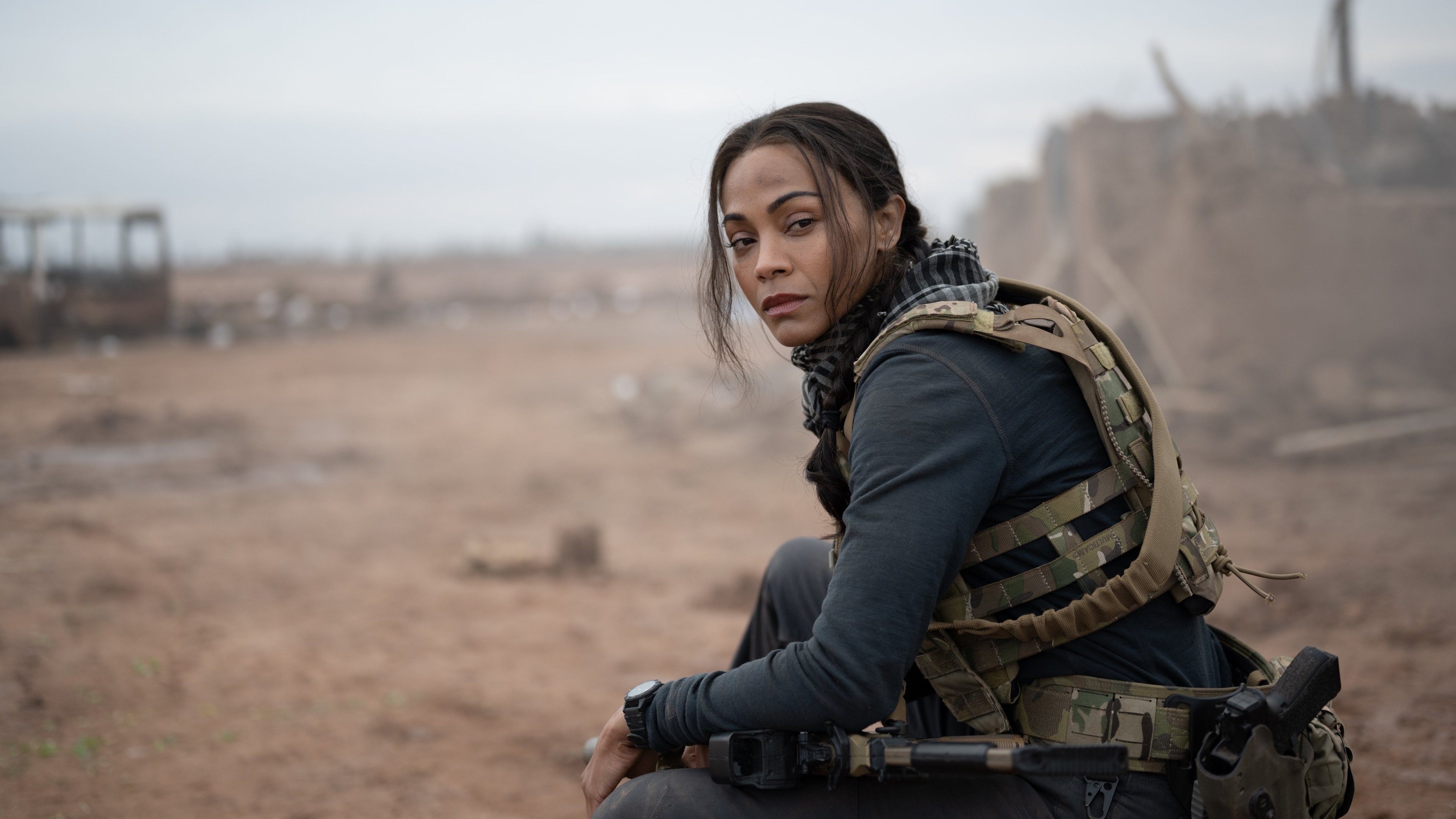
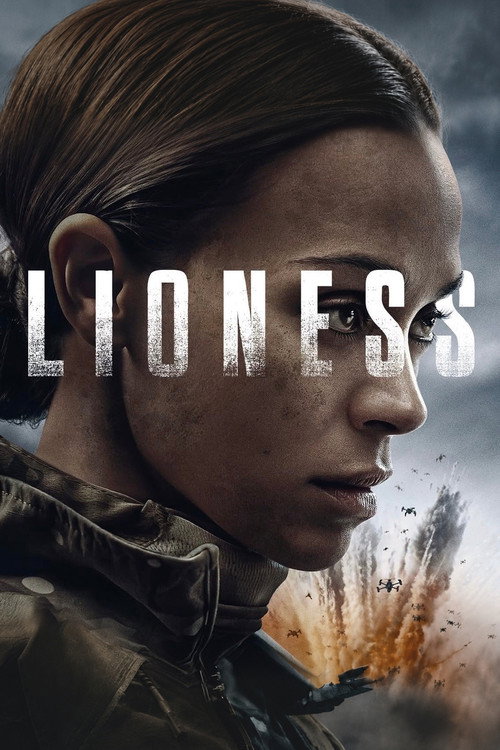
Taylor Sheridan's "Special Ops: Lioness" follows Joe (Zoe Saldaña), a hardened CIA station chief running the Lioness Program, which embeds female operatives into the social circles of high-value terror targets. Early episodes plant Cruz (Laysla De Oliveira), a young Marine recruited into the program, alongside a marquee lineup that includes Nicole Kidman as a CIA deputy director and Morgan Freeman as a senior official. Joe juggles the op with a family life that keeps threatening to fall apart while she's in an ops room watching drone feeds.
What Works
Saldaña is doing real work here. She plays exhaustion in her jaw, guilt in her eye contact, and command in her posture, and the scene-flipping between war-room Joe and mother-at-the-kitchen-table Joe is the show's actual craft achievement. De Oliveira holds her own opposite her, giving Cruz a specific kind of physical rigidity that reads as someone raised in fight-or-flight. The tradecraft sequences move. When Sheridan stops writing speeches and lets the operators do their jobs quietly, the show gets tight and watchable. Kidman shows up, does the Kidman thing where she chills the room with three lines, and leaves. That's a good deal.
What It Gets Wrong
Sheridan writes dialogue like he's daring the actor to save it. Characters announce their inner lives instead of showing them. Domestic scenes stall out into monologues about sacrifice that could be trimmed by half without losing information. Geopolitics gets flattened into cartoon shorthand, and the villains are usually a beard and an accent. The Cruz-Joe mentor dynamic is the emotional spine and it works, but everything around it, especially the home-front subplots, plays like filler Sheridan wrote between takes on another show.
Who This Is Actually For
If you liked "SEAL Team," the flatter stretches of "Jack Ryan," or you keep "Yellowstone" on while you fold laundry, this is your speed. It's a competent action-drama with movie stars slumming pleasantly. If you want the moral density of "The Americans" or the operational paranoia of "Slow Horses," you'll be climbing the walls by episode two. Anyone who bounced off Sheridan's chatty-cowboy monologues won't find relief here; the cowboys just wear tac gear now.
The Ruling
BACKGROUND TV is the honest tier. The show has real assets — Saldaña, De Oliveira, some genuinely tense field work — but the writing keeps undercutting them by pausing the action for a lecture on duty, family, or American power, then resuming as if the speech settled anything. It doesn't fail the Lecture Test on politics so much as on theme: Sheridan trusts his messages more than his scenes, so characters keep narrating what the drama should be dramatizing. Direction is capable, pacing is uneven, and the ambition-to-execution gap is exactly where premium cable used to live before streaming stretched every idea into eight hours. Put it on while you cook. Look up during the raids. You won't miss anything by looking down.
Sources: