
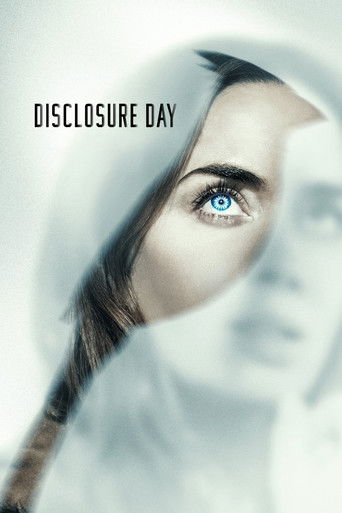
The Premise
Steven Spielberg back in the sci-fi conspiracy chair, from a David Koepp script, with John Williams scoring. Emily Blunt plays Margaret Fairchild, a small-town meteorologist who wakes up one morning able to understand and speak every language on earth. That gets the attention of Josh O'Connor's cybersecurity contractor, who's been chasing anomalies in government comms nobody was supposed to notice. Colin Firth, Colman Domingo, Wyatt Russell, and Eve Hewson fill out the surrounding grid of officials, spooks, and people who know more than they're saying. First act sets it up as a "why is this happening to her" mystery that quickly slides into a "why is this happening to everyone" mystery.
What It Gets Right
Blunt. She plays Margaret as a genuinely startled adult, not a chosen-one archetype, and the whole thing works because you believe her confusion. Josh O'Connor is doing his hunched, twitchy, thinking-out-loud thing and it's a great counterweight. Spielberg still knows how to stage a scene of ordinary people looking up at something they can't explain, and he still knows exactly where to put the camera when a kitchen conversation needs to turn heavy. Koepp's script has actual jokes in it, which is more than most legacy-director sci-fi can say. Williams' score is doing the thing Williams' score does. Two or three set pieces in the middle stretch are the best Spielberg has directed in a decade.
Where It Falls Down
It's overpacked. There are maybe two too many characters, and a couple of them exist mostly to explain the plot to each other. The conspiracy-uncovering scaffolding creaks; you can feel the beats being hit on schedule. Spielberg's fingerprints on this kind of material are so familiar that stretches of it play like a greatest-hits medley of his own filmography, which is comforting if you want that and airless if you don't. And the "everyman becomes conduit for cosmic contact" premise has been done, by him, better, when he was younger and hungrier. If you go in expecting a new gear, you won't find one.
Who It's For, Who'll Bounce
If you rewatch Close Encounters once a year and don't apologize for it, you're in. If you liked War of the Worlds more than the internet did, definitely. Anyone who shows up for Blunt will get their money's worth. People who need their sci-fi to feel post-Villeneuve, colder and more austere, will find this warm and busy in a way that reads as old-fashioned. Anyone allergic to John Williams strings swelling over a shot of a kid's face should skip it on principle.
The Bottom Line
WORTH IT because the craft holds even when the screenplay's gears grind. Spielberg's blocking, Blunt's performance, and the sound design carry the sections where Koepp is over-explaining. The politics of it, such as they are, stay inside the story: nobody stops the movie to make a speech, no character exists to be lectured to, and the anti-institutional streak comes out through what people do rather than what they announce. That's the difference between a movie with a point of view and a sermon with a budget. This is the first one. It's not top-tier Spielberg. It doesn't have to be. It's a competent, occasionally beautiful, sometimes genuinely stirring version of a thing he invented, made by the person who invented it, anchored by a movie star who's earning the close-ups. That clears the bar.
Sources: