Where This Starts
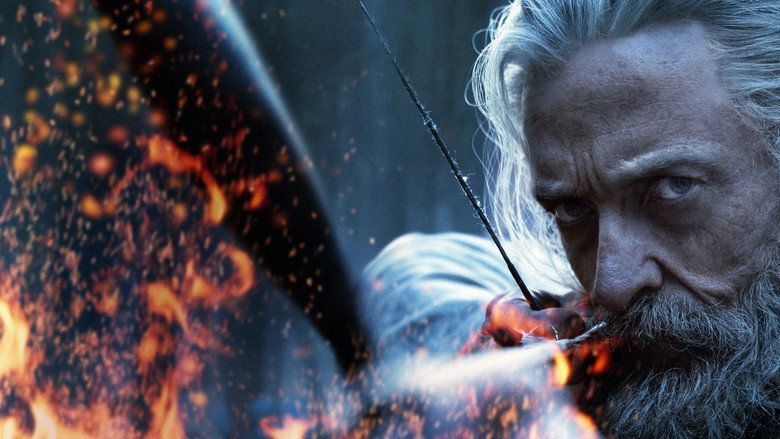
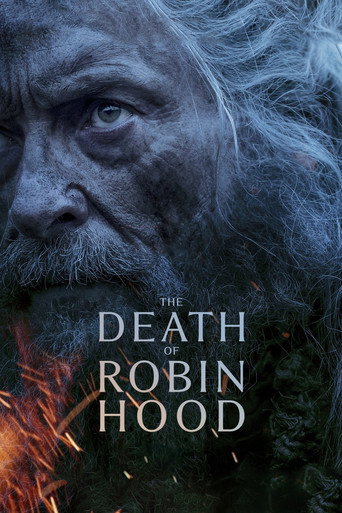
Michael Sarnoski's follow-up to Pig and A Quiet Place: Day One is a stripped-down A24 revision of the outlaw myth. Hugh Jackman plays Robin decades past the ballads: gray, wrecked, sick of himself and the body count he's built up in the name of nobody in particular. The first act finds him wounded and stumbling into the care of a prioress, Sister Brigid, played by Jodie Comer. Bill Skarsgård looms as the antagonist, with Murray Bartlett and Noah Jupe rounding out a small cast. No merry men. No archery montages. The forest is wet, the score is spare, and the mood is set inside the first ten minutes: penitence, not adventure.
What It Gets Right
Sarnoski shoots the medieval world like it smells, and cinematographer Andrew Wehde makes every frame look painted in tallow and bog water. Jackman is doing his best late-career work in years, playing exhaustion instead of charisma, letting his voice drop and stay dropped. Comer is the reason the movie has a heartbeat. She underplays Brigid into something specific and strange, a woman with her own moral weather rather than a nurse-slash-conscience. Skarsgård knows exactly what movie he's in and calibrates his menace low and dry. Sarnoski's script trusts silence, which is rarer than it should be. When two people talk, they talk about one thing at a time.
The Argument Against
It's slow. Not slow-burn, slow. Sarnoski's Pig had the same tempo but a leaner runtime and a clearer engine; here the middle sags and the film keeps landing on the same emotional note — regret, quietly — for long stretches. Some of the dialogue reaches for scripture-weight and comes back with fortune-cookie. The revisionism can feel like a mood board rather than an argument: mud, blood, whispers, repeat. If you want plot mechanics or set pieces, there aren't any to speak of. Even the fans of the vibe will admit the movie's one-note about being one-note.
Who This Is Actually For
If you liked Pig, The Green Knight, First Reformed, or the quieter half of The Northman, you'll settle right in. If you showed up because Hugh Jackman is in a Robin Hood movie, you'll be checking your phone by minute forty. It's an art film wearing a legend's costume. Anyone who needs a scoreboard, a heist, or a rousing speech is in the wrong theater.
The Ruling
WORTH IT, not RUN IT. The craft is real. Jackman and Comer are doing grown-up work, Sarnoski's compositions are gorgeous, and the movie has the courage to be small when it could've been loud. What keeps it out of the top tier is pacing and repetition: the film says its piece early and then says it again, and the ambition-to-execution gap is where the reviews split. On the Lecture Test, it passes cleanly. The themes — myth versus truth, violence's tab coming due, whether a bad man gets to be forgiven — are carried by two performances and a lot of weather, not by monologues. Nobody hands you the point. You have to sit with it, and sitting with it is the whole assignment. Worth the ticket if you know what you're buying.