The Premise
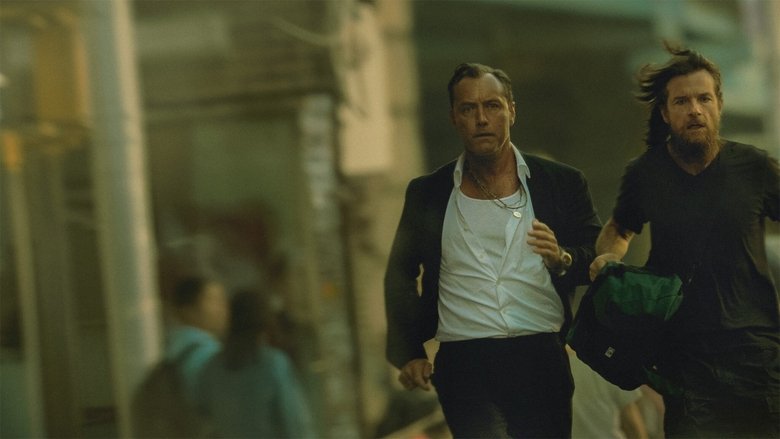
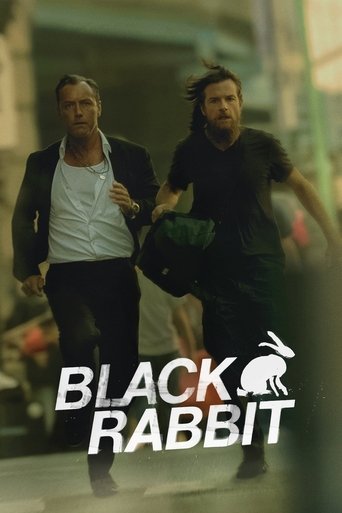
Netflix's eight-episode limited series about two brothers running a hot New York restaurant. Jude Law plays Jake, the smooth front-of-house owner of the Black Rabbit, a place with a line down the block and the kind of downstairs VIP lounge where deals happen. Jason Bateman plays Vince, the older brother who's been out of the picture for a long time and shows back up with gambling debts, addictions, and a talent for setting fire to whatever he touches. Zach Baylin and Kate Susman created it, and Bateman directs a chunk of the episodes himself. The setup is early Sopranos energy crossed with the Bear's kitchen dread: Vince needs money, Jake has a business full of it, and the wrong people already know both of those things.
What Works
Bateman is the reason this thing works. He's playing a guy you've met before, the family screw-up who cries and then steals from you, and he refuses to make him lovable. It's the least Bateman-ish performance Bateman has given, and it lands. Law matches him by going the other direction, all clenched jaw and hospitality-industry charm cracking in real time. The restaurant itself is written with actual specificity — the reservation politics, the investor calls, the way a kitchen shift can double as a panic attack. Baylin, who wrote King Richard, knows how to build a scene around people trying to hold their face together. When it's cooking, it's a genuine white-knuckle hang.
The Argument Against
Eight hours is at least two too many. The middle stretch loops. Flashbacks land in odd places and stall momentum instead of deepening anything, and by episode five you can feel the writers stretching a taut two-hour movie into a streaming shape it doesn't want to be. Some of the supporting antagonists are drawn thinly, more menacing shapes than people. If you came in for pulp, the bleakness curdles; if you came in for a character study, the crime plotting keeps elbowing back in.
The Right Viewer
If you loved Ozark and Animal Kingdom, and you can tolerate a show that wants to punish its characters, sit down. If The Bear's anxiety attacks were your favorite part of the Bear, same. You'll bounce if you need a likable protagonist to hold onto, if slow-burn family rot reads to you as "nothing's happening," or if eight-episode limited series generally lose you around the fifth hour. This is not a hangout show. Nobody in it is having a good time and the camera agrees.
The Bottom Line
WORTH IT, barely, on the strength of the two leads and a couple of setpieces that actually earn their tension. The writing is serious about its characters. Nobody's giving a speech, nobody's a mouthpiece; the brothers' damage is dramatized through behavior, not monologue, which is more than most prestige crime shows manage right now. Where it falls short is pure craft: pacing and episode count. Bateman the director is better than the season's structure lets him prove, and Baylin's script has more movie in it than series. Trim two episodes and this is a knockout. At eight, it's a good show you have to meet halfway. Worth the trip. Barely.