
The Premise
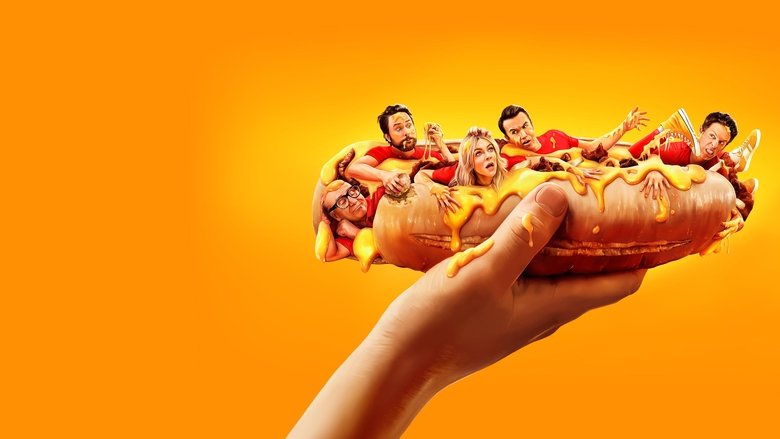
Five of the worst people in Philadelphia run a dive bar called Paddy's Pub and ruin every situation they encounter. Rob McElhenney, Glenn Howerton, and Charlie Day created the show in 2005, writing most of it themselves, and added Danny DeVito in season two to play the group's unhinged elder. Kaitlin Olson rounds out the gang as Dee, the only woman and arguably the most delusional of the bunch. Each 22-minute episode drops the five into a scheme — a political campaign, a wine tasting, a lawsuit, a gas crisis — and watches them hurt themselves and each other trying to pull it off.
What Works
The construction. These episodes are built like one-act plays: five characters, one bad idea, escalating complications, a tight hard-out at the end. Howerton's Dennis is a sustained performance of a man barely holding a lid on something; Day plays Charlie as pure id with a crayon in his hand; DeVito commits to Frank with a physicality most actors twice his age wouldn't attempt. The writers' room, which has included Olson, McElhenney, and Day's regular collaborators for twenty years, understands that the joke is almost never what the characters say. It's what they think they're getting away with. Standout episodes like "The Nightman Cometh," "The Gang Dines Out," and the various bottle episodes work because the show trusts the audience to catch jokes the characters don't know they're telling.
What Doesn't Work
Twenty seasons is a lot. The show has had rough patches, and some of the older cultural reference episodes are things the cast themselves have publicly distanced from. The gang's cruelty can tip from funny into exhausting if you binge too many in a row, and a few seasons lean on reruns of a dynamic that was sharper five years earlier. If you need characters to grow, this is the wrong show. Nobody learns anything, ever. That's the engine, but it's also the ceiling.
Who'll Love It, Who'll Bail
If you loved Seinfeld's "no hugging, no learning" rule and wished it had more screaming, you're home. Fans of Veep, Arrested Development, Peep Show, and the darker end of British sitcom will click immediately. People who want warmth from their sitcoms, or who need a protagonist to root for, will bail by episode two of season one. The pilot is also notoriously the weakest thing the show ever produced; skip to season two if the first three episodes don't land.
The Ruling
DROP EVERYTHING because the craft is undeniable. Twenty seasons in, this is the longest-running live-action sitcom in American television history, and it got there by doing the hardest thing in comedy: writing specific, deranged characters and refusing to soften them. The show has opinions about narcissism, class, media, addiction, and the people who shout the loudest in American life, but it delivers all of that through plot and performance instead of monologue. Nobody in Paddy's Pub speaks for the writers. They're all too stupid to. That's the discipline — themes smuggled inside behavior, never announced. Twenty-two minutes, five awful people, one locked room. Still the gold standard.