The Premise
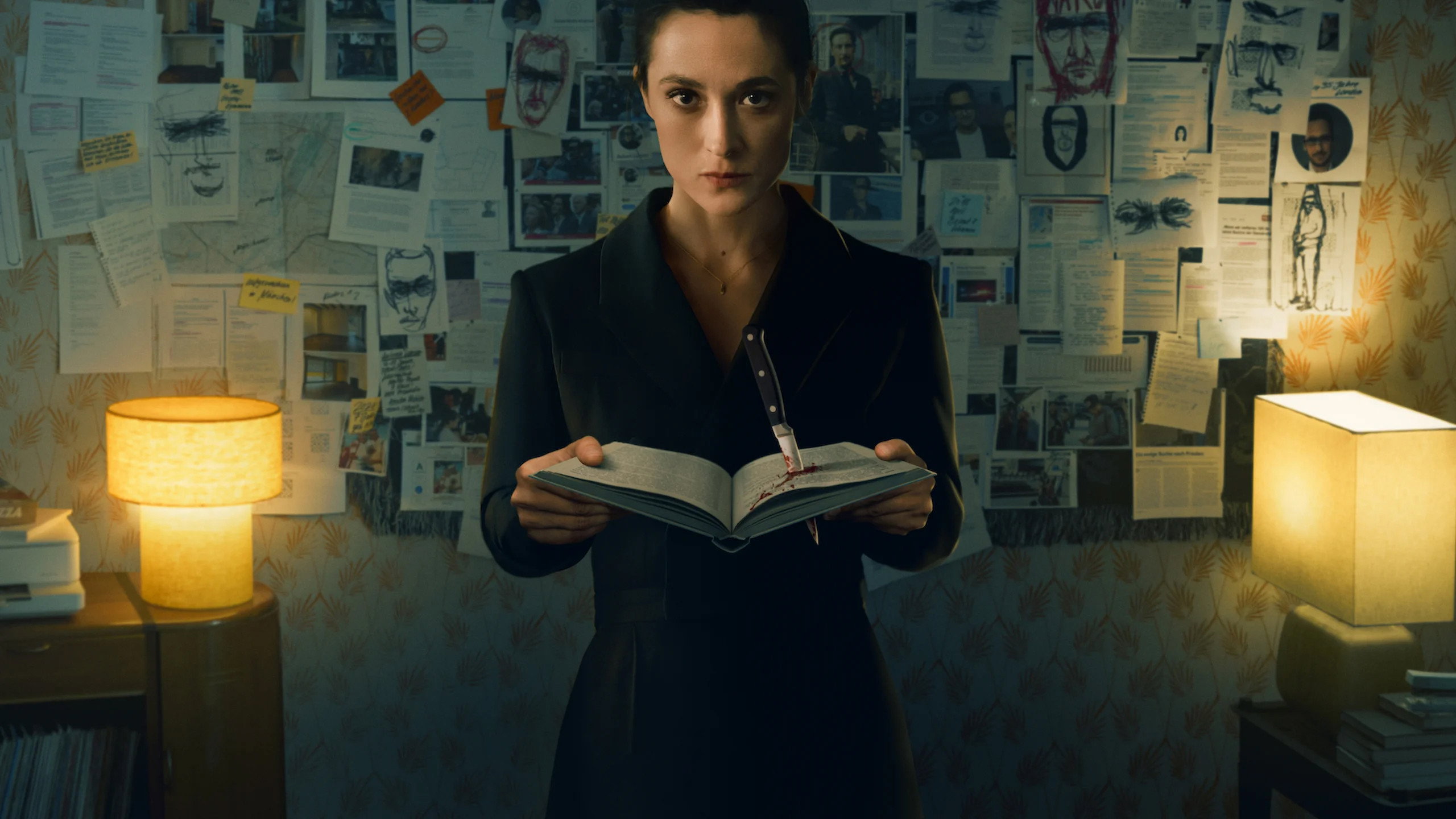
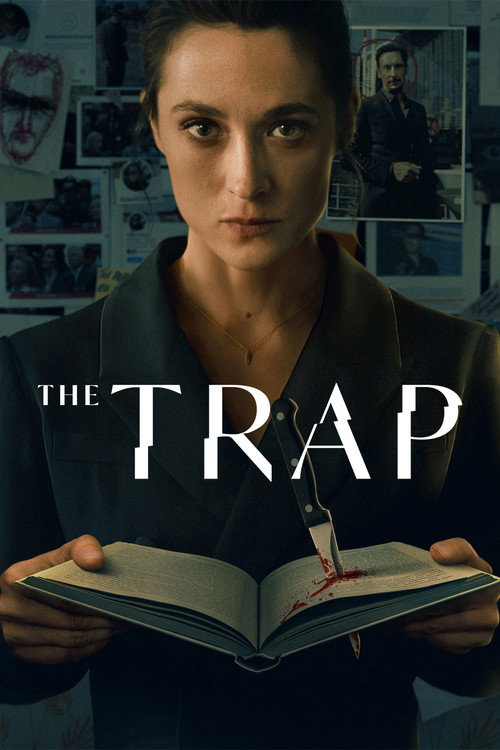
Six episodes of German prestige-sad from Netflix, adapted by Isabel Kleefeld from Melanie Raabe's 2015 novel and released October 13 under the title Die Falle at home. Friederike Becht plays Lisa Konrad, a bestselling author who hasn't left her house in roughly a decade since her sister Anna was murdered in front of her. One night she sees a journalist on TV, Robert Lenzen, played by Hans Löw, and becomes certain he's the man. So she writes a novel describing the killing, invites him over for the exclusive interview, and plans to extract a confession on her own turf. That's the setup. The pitch sells itself in one sentence, which is part of the problem.
In Its Favor
Becht is the whole show. She plays agoraphobia as a physical condition, not a quirk, and her face does a lot of work the script won't do for her. Löw is a smart piece of casting too: he reads as plausibly charming and plausibly rancid in the same shot, which is exactly what this kind of role needs. Kleefeld and the Dear Child production team know how to light a German interior like a crime scene before anything's happened, and the house itself becomes the second-best performance in the series. When the show calms down and lets two people sit across a table and lie to each other, it works.
What Doesn't Work
The problem is everything around those table scenes. Leisurebyte flagged pacing and red-herring fatigue, and they're right. Six episodes is at least two too many for a story this contained, and the series pads with flashbacks, dreams, and ominous B-roll of the woods. Every time it finds a groove, somebody remembers it's a mystery and lobs another misdirection in. The novel's hook, the writer-as-bait conceit, gets diluted by the time you've watched Lisa stare meaningfully at a wine glass for the fourth cold open.
Who It's For, Who'll Bounce
If you liked Dear Child, The Woman in the Window, The Girl on the Train, or any paperback with a woman's silhouette on the cover reflected in a rain-streaked window, you already know whether you want this. Fans of slow Scandi-adjacent thrillers who don't mind subtitles will get through it fine on a Sunday. Anyone who wanted a tight 100-minute movie, or who's done with the unreliable-recluse subgenre after a decade of it, will tap out around episode three when the second fake-out lands.
The Ruling
SLOP isn't a comment on the craft of any individual scene; it's a comment on the math. A novel-length premise stretched to six episodes, a protagonist whose entire arc is "will she go outside," and a villain whose menace depends on the audience not having seen this trick before. Becht is giving a film performance inside a season of television that keeps interrupting her to remind you it's a thriller. There's no sermon here, no lecture to fail. It's just a competent, handsome, overlong version of a story Netflix already greenlit eight times this decade. Watch the first episode, picture the last one, and you've basically seen it.