The Pitch
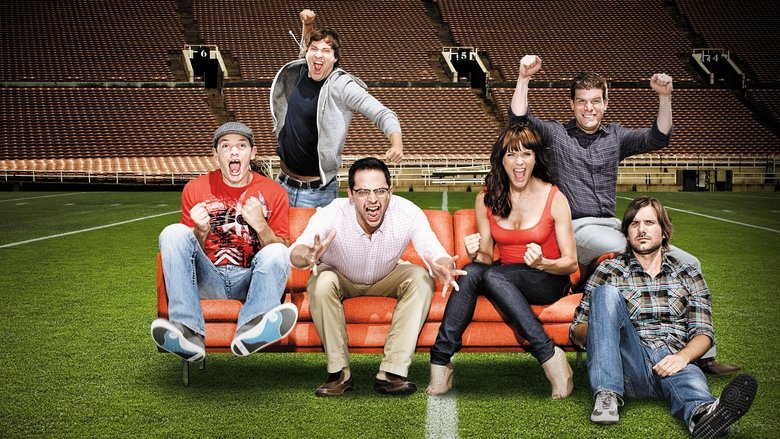
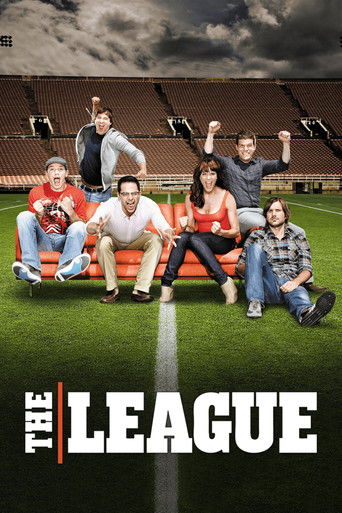
Six friends in Chicago run a fantasy football league and spend more energy tormenting each other than watching actual games. Created by Jeff Schaffer (a Seinfeld and Curb writer) and Jackie Marcus Schaffer, it ran on FX and FXX from 2009 to 2015. The cast: Mark Duplass as smug commissioner Pete, Nick Kroll as scheming lawyer Ruxin, Paul Scheer as gullible plastic surgeon Andre, Steve Rannazzisi as beleaguered Kevin, Katie Aselton as his sharper wife Jenny, and Jon Lajoie as Kevin's stoner brother Taco. The first season sets the format fast: draft night, trash talk, humiliation rituals, a trophy called the Shiva and a punishment called the Sacko, and cameos from real NFL players playing along.
The Argument For
The setup is a genuinely smart piece of sitcom engineering. A fantasy league gives you a natural once-a-week reason for six adults to keep hanging out and hating each other, and the show milks that structure well. Nick Kroll is the reliable MVP — Ruxin's whining, weaselly monologues are the closest thing the show has to a signature move. Paul Scheer commits to Andre's oblivious wardrobe crimes with actual craft. The dialogue is largely improvised in the Curb tradition, and when a scene lands it has that loose, overlapping feel. The NFL cameos are better than they need to be, and there are running gags — Taco's business ideas, Andre's art collection — that pay off across seasons if you stick around.
What Doesn't Work
The problem is tone. Everyone is awful to each other, all the time, with no counterweight. Curb works because Larry's pettiness runs into a world that pushes back. The League just has six Larrys yelling in a basement. The women get thin material for stretches, Jenny especially, who gets written as either a mom-cop or one of the guys depending on the episode's needs. The improv looseness that gives the show its charm also gives it a lot of dead air, jokes that trail off, scenes that feel like they were cut from three different takes and taped together. And the raunch escalates every season into territory that stops being funny and starts being homework.
The Right Viewer
If you loved Always Sunny at its meanest and wanted a version where the characters have jobs and mortgages, this is your show. If you play fantasy football and want to hear your group chat validated on television, you're covered. Bouncers: anyone who needs a character to root for, anyone who found Entourage exhausting, anyone who wants comedy to have some warmth underneath the cruelty. If you tapped out of It's Always Sunny somewhere in season three because everyone was too horrible, you'll tap out of this by episode four.
Final Word
SLOP because the craft never catches up to the concept. The Schaffers built a great engine and then let the improv do the driving for seven seasons, which means the show has maybe eight great episodes buried in ninety. The performances that work — Kroll, Scheer — are working against writing that doesn't give them shape, only volume. It isn't preachy, it isn't lecturing anyone about anything. It's just loud, mean, and lazy, three modes it cycles through until the credits.
Sources: