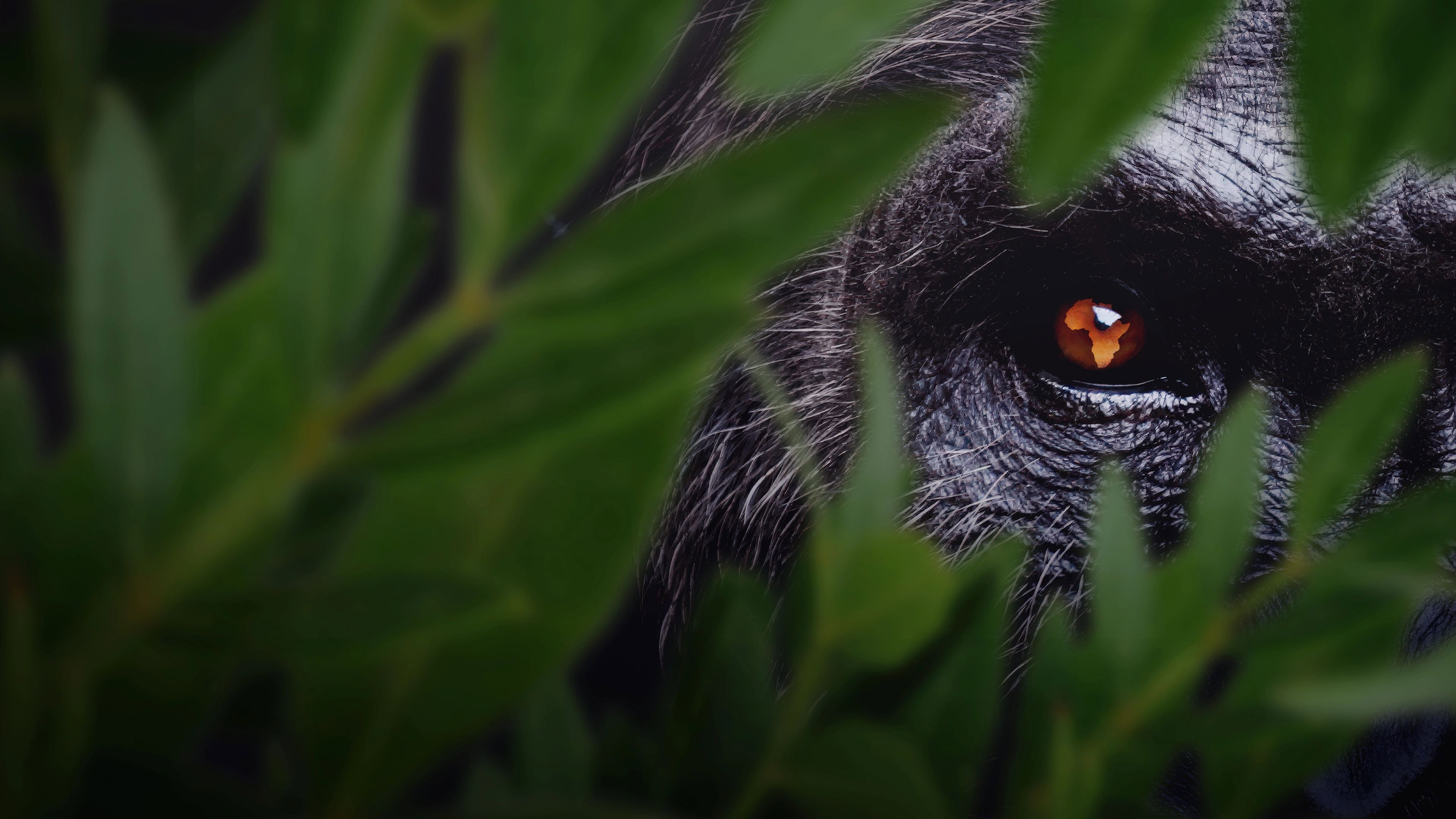
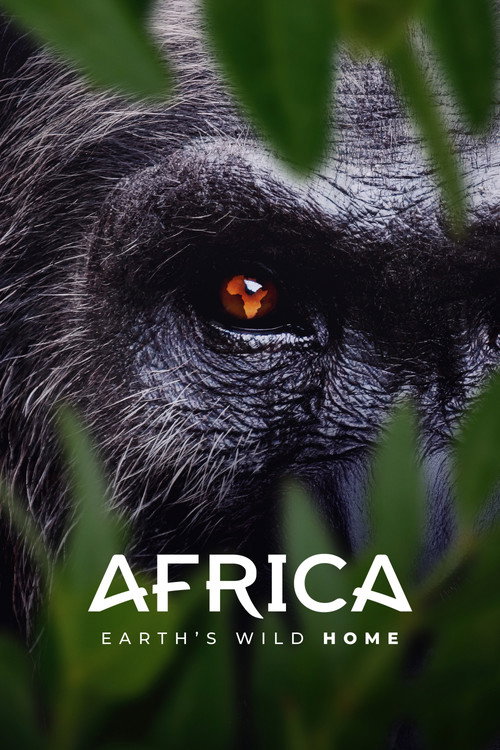
Where This Starts
Seven episodes of continent-scale nature television from the BBC Studios Natural History Unit, made for National Geographic, narrated and executive-produced by Wunmi Mosaku. Episodes break Africa into biomes: deserts, forests, jungles, mountains, islands. Showrunner Gavin Boyland built it over nearly four years of shooting across close to 30 countries. Each hour closes with an "Explorer Spotlight" on the scientists and photographers who put the shots on tape. It's the first season of a planned multiyear franchise, so this is the pilot of a brand, not a one-off special.
In Its Favor
The BBC Natural History Unit is the gold standard for a reason, and you can see every dollar on screen. The marquee gets: a black rain frog captured for television for the first time, a rare wild black panther, chimpanzees fishing for algae with tools, hyenas hunting elephants in the Congo at night. That is not stock-footage filler, that's new material. Mosaku's voice work is the right call. She's low, warm, unhurried, and she doesn't do the breathless David Attenborough impression every narrator since 2005 has defaulted to. The CGI geology sequences, where the show pulls back to visualize the tectonic forces that built a landscape, are the smartest craft choice. They give you context most nature shows skip. Steve Boyes and the other field scientists talk like scientists, not TED speakers.
What It Gets Wrong
It's a template. Beautifully shot template, but a template. If you've watched Planet Earth III, Our Planet, Dynasties, and the last Nat Geo "A Real Bug's Life," you know every beat before it lands: establishing drone shot, animal introduction, mild peril, score swell, resolution, next vignette. The scoring in particular leans hard on the Hans Zimmer tremolo-strings-and-breathy-choir stack that every one of these shows has been using for a decade. Boyes's statistic about Africa losing 75–80% of its wildlife is sobering and real, and the show treats it earnestly, but the conservation beats are more earnest than dramatic. You get the information, not the argument.
Who This Is Actually For
Anyone who has a parent, puts something on while cooking, or wants a show that looks absurd on a nice TV. If Our Planet, Blue Planet II, or any of the "Hostile Planet" run worked for you, this works. If you need narrative stakes, characters you follow across episodes, or the Attenborough name specifically, you'll drift. It's not Chimp Empire, which actually serialized its animals. It's a tour.
The Bottom Line
WORTH IT because the craft is doing its job even when the format isn't inventing anything. The photography is first-rate, the new footage is genuinely new, Mosaku's narration doesn't condescend, and the CGI geology adds something the genre usually leaves out. The conservation themes are earned by the field scientists on camera, not megaphoned by voiceover; the show lets the 75% figure sit and keeps moving. It's not reaching for a masterpiece, it's reaching for a Sunday afternoon, and it hits that cleanly. Watch an episode, nap, watch another one.