The Pitch
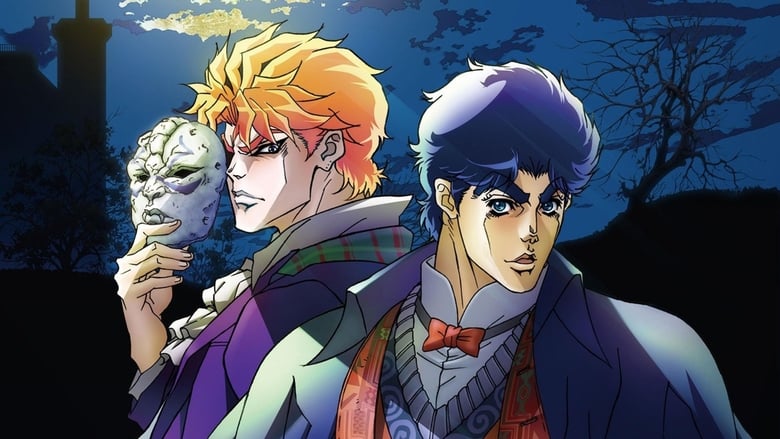
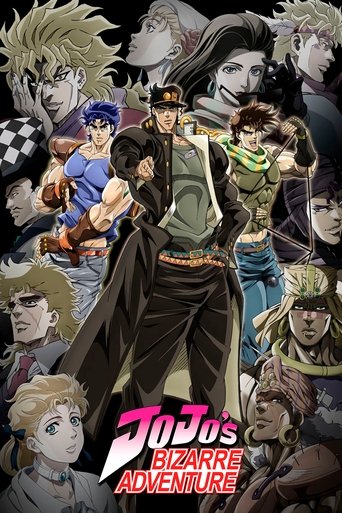
It's 1890. A newspaper magnate throws the first transcontinental horse race from San Diego to New York, winner takes a fortune. Johnny Joestar, a disgraced American jockey who can't walk anymore, drags himself to the starting line and ends up tangled up with Gyro Zeppeli, an Italian executioner carrying two iron balls he spins like they violate physics. That's episode one. The race starts, the weirdos line up, and the show is off. David Production is back. Toshiyuki Kato directs, Yasuko Kobayashi runs series composition, and after the long wait between Stone Ocean and this, Netflix finally dropped the first stage as a feature-length premiere in March 2026, with weekly episodes resuming in September.
The Case For
Hirohiko Araki's source manga is widely considered his peak, and the adaptation knows it. The character designs have been remodeled off Araki's later, softer linework instead of Golden Wind's chunkier look, and it reads on screen. Horses are hard to animate. These horses move. The Spin, Gyro's whole deal, gets the kind of impact framing JoJo fans have been begging for since Part 5. Kobayashi has written anime scripts since Attack on Titan and Claymore; she understands how to pace a journey story without letting it sag between setpieces. And the central duo is the best buddy pairing JoJo's ever had. Johnny is prickly, selfish, specific. Gyro is a loudmouth with a code. You buy them riding next to each other for forty-odd episodes.
The Argument Against
If you've never watched a JoJo, dropping in on Part 7 is a strange on-ramp. It's technically a continuity reboot, so you won't be lost, but the show's aesthetic language — poses, onomatopoeia, grown men screaming the names of their psychic ghosts — is still fully intact and still ridiculous. The weekly release after a 47-minute premiere is also an odd rhythm; some viewers will bounce off the gap. And Araki's writing has a philosophical streak in this one. Characters monologue about resolve, about what a man owes himself. It's earnest in a way that reads as corny if you're not willing to meet it halfway.
Who Should Watch
Anyone who liked Vinland Saga's long-haul storytelling, Trigun's weird-west energy, or Hunter x Hunter's willingness to let its arcs breathe. People who want their action anime to look expensive and move with weight. Skip it if Cowboy Bebop was already too stylized for you, or if you need your protagonists likeable before episode three.
Final Word
Worth It because the craft matches the ambition. David Pro clearly budgeted for this one and it's visible in every gallop, every Spin ripple, every background panel pulled straight off Araki's page. Kobayashi doesn't preach — the themes about dignity and reinvention come through Johnny's physical struggle and his arguments with Gyro, not through speeches aimed at the viewer. It earns what it's saying by making you watch two men ride through a desert and figure each other out. That's the show. It isn't trying to be a sermon, and it isn't one. It's an adventure, drawn beautifully, animated with care.